

Combining a tankless water heater with a heat pump water heater is more complex than just putting two units in one system. The right setup needs careful plumbing and controls to avoid wasting energy or causing wear on the equipment.
Getting this wrong can cost you more on your energy bill and leave you with inconsistent hot water. It can also lead to premature scaling or cycling issues that shorten the life of your water heaters.
How a Tankless Water Heater Works With a Heat Pump
A tankless water heater heats water instantly when you turn on a tap, without storing it. A heat pump water heater (HPWH) uses electricity to move heat from surrounding air into a storage tank, raising water temperature efficiently. Combining them in a hybrid system means the HPWH preheats water stored in a tank, reducing the energy the tankless heater needs to reach your set temperature.
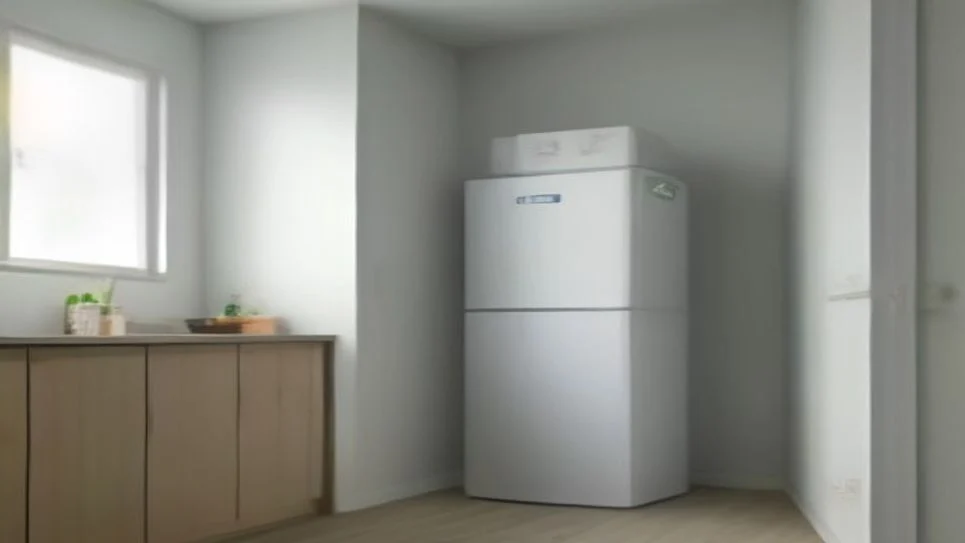
Heat pump water heaters (HPWHs) extract heat from the surrounding air using a refrigeration cycle, typically warming water stored in a thermal storage tank. They operate best in interior spaces with ambient temperatures between 40° and 90°F, requiring sufficient air volume for efficient heat transfer. The tank stores a reserve of preheated water, which reduces the workload on the tankless heater.
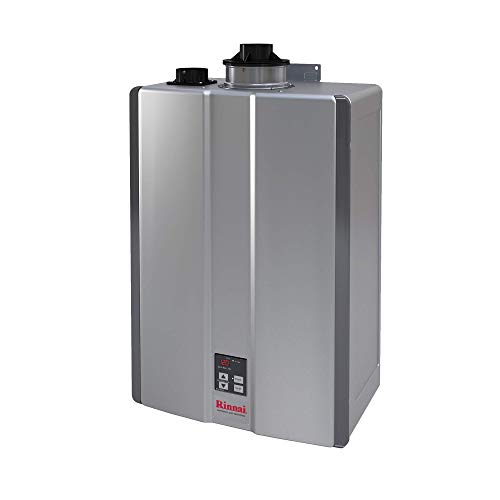
Tankless water heaters heat water instantly without a storage tank, activating only when you open a hot water tap. They may be electric or gas-powered and handle flow rates from about 0.2 to 7.5 gallons per minute. When combined with a heat pump system, the tankless unit acts as a backup or booster, elevating water temperature to the desired setpoint if the preheated supply from the HPWH is insufficient.
A thermostatic mixing valve automatically switches between the heat pump’s preheated water and the tankless heater’s output. It monitors water temperature to make sure only water above a set threshold reaches your taps, preventing the tankless heater from turning on unnecessarily when the stored water is already hot enough.
The plumbing arrangement typically runs like this: cold water enters the heat pump water heater first, which supplies a storage tank. From the tank, water flows through the mixing valve. If the water temperature falls below the valve’s setpoint, the valve directs flow to the tankless heater, which instantly heats the water before it reaches the fixtures. This simple schematic avoids simultaneous operation, minimizing energy waste and wear on equipment.
Control strategies often include temperature sensors and timers to coordinate the two units. The system avoids short cycling—the constant switching on and off of the tankless heater—by ensuring the heat pump preheats water as much as possible before the tankless backup activates. Some models even interface with smart home systems for optimized operation.
Combining a heat pump water heater with a tankless backup requires careful coordination but delivers steady hot water with improved energy efficiency. The mixing valve is key to switching sources smoothly without user intervention.
Running Costs and Efficiency of Hybrid Systems
Tankless water heaters typically cost around $400 to $1,000 per year to operate, primarily depending on your hot water demand and energy rates. Heat pump water heaters, by contrast, operate at efficiencies up to five times higher than standard electric resistance units, slashing energy use significantly.
Heat pump water heaters can be 2 to 3 times more efficient than electric resistance heaters, using about one-third to half the energy for the same hot water output. Tankless water heaters avoid standby heat loss since they heat water on demand but often use more energy per gallon when the incoming water is cold. In a hybrid system, the heat pump reduces the temperature rise the tankless unit must provide, lowering overall energy use.
In a hybrid system, the heat pump preheats water stored in a thermal tank, raising its temperature before it reaches the tankless heater. Because the tankless unit processes warmer water, it uses less energy to reach the desired output temperature, reducing its cycle time and power draw.
Heat pump water heaters sometimes switch to electric resistance backup heating in very cold indoor conditions, which can spike energy use temporarily. For hybrids in cold climates, this backup mode increases running costs but still generally remains more efficient than a standalone electric tankless heater.
Hybrid water heaters often qualify for federal or state rebates and incentives due to their energy-saving design. These incentives can lower the upfront cost, making hybrids financially attractive compared to installing separate tankless and heat pump units.
A hybrid system’s overall efficiency depends on the control strategy used to balance heat pump and tankless operation. Mixing valves and temperature sensors ensure the tankless heater only fires when the preheated water falls below a setpoint, avoiding unnecessary energy use.
| Heater | Watts | Per hour | Per day (8 h) | Per month (30 days) |
|---|---|---|---|---|
| 1,500 W tankless unit | 1,500 W | 26¢ | $2.04 | $61.20 |
| Heat pump water heater | 300 W | 5.1¢ | 41¢ | $12.24 |
Rooms and Climates Suited to Hybrid Tankless and Heat Pump Heaters
Heat pump water heaters perform best in indoor spaces kept between 40°F and 90°F with good air circulation around the unit. Tankless water heaters work well wherever you need on-demand hot water but can struggle to maintain efficiency if the incoming water is already warm, such as in summer or from a preheater. Hybrid systems suit homes in moderate climates where the HPWH can run efficiently most of the year and the tankless heater provides backup during very cold conditions or high demand.
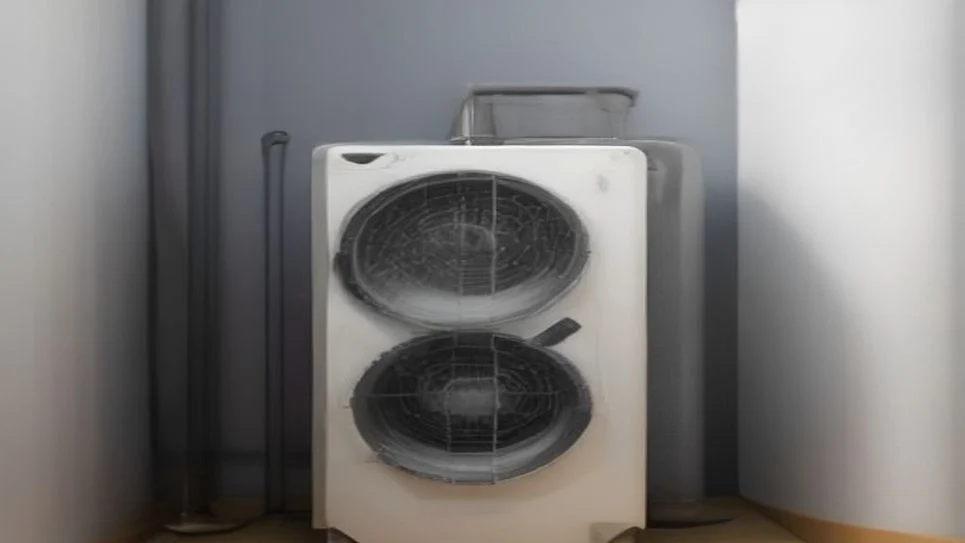
A heat pump unit draws heat from surrounding air, so placing it in a basement, utility room, or conditioned space with good airflow and ventilation prevents performance losses. Without enough warm air, the heat pump may rely more on less efficient electric resistance heating.
Tankless water heaters have flow rate limits, typically between 0.2 and 7.5 gallons per minute. In hybrid setups, the tankless unit must be sized to handle peak demand and the temperature rise required after the heat pump’s preheating.
Cold climates pose challenges to hybrids. Heat pumps lose efficiency below 40°F and may switch to backup heating, raising costs. Freeze protection is crucial: both the heat pump and tankless units need safeguards such as drainback systems, insulation, or built-in freeze sensors to prevent pipe damage and unit failure.
Indoor placement with proper ventilation and freeze protection is key to reliable operation. Avoid cramped or poorly ventilated spaces that restrict airflow or trap cold air around the heat pump. Also, ensure that venting or air exchange complies with manufacturer instructions and local codes.
Maintenance Challenges With Hybrid Heat Pump and Tankless Systems
Hybrid systems combining heat pump and tankless water heaters can face maintenance challenges like scale buildup in the mixing valve or piping, especially if hard water is present. The tankless unit may need periodic flushing to remove mineral deposits. Monitoring the mixing valve for leaks or sticking is important to maintain proper temperature control. Regular inspection and cleaning extend system life and keep backup heating ready when needed.
Mixing valve scaling reduces flow and can cause uneven temperature control. Regular inspection is necessary to catch early signs like dripping, noisy operation, or inconsistent outlet temperature. Cleaning or replacement every few years prevents bigger problems.
Tankless water heaters require periodic flushing to remove mineral deposits inside the heat exchanger. A dedicated tankless water heater flush kit simplifies this task, enabling you to circulate a vinegar or descaling chemical solution through the unit safely. Using a chemical solution designed for tankless heaters dissolves scale without damaging internal components.
Flushing should happen annually or more frequently in hard water areas. Skipping this step can lead to reduced efficiency, overheating, and premature failure. In a hybrid system, the tankless unit’s wear may accelerate due to temperature cycling when switching between heat pump preheated water and on-demand boosting.
Mixing valves and backup electric elements within heat pump tanks also need inspection. Backup elements can fail silently and cause the heat pump to work harder or not heat water adequately. Testing these elements and the mixing valve annually helps maintain system reliability.
Lifespan differences between components mean the tankless heater often outlasts the heat pump water heater’s tank or vice versa. Wear factors vary: tankless units face thermal shock and scale, while heat pumps contend with compressor and fan wear plus potential freezing in cold climates.
Installing a Tankless Water Heater With a Heat Pump Backup
Installing a tankless water heater with a heat pump backup requires careful plumbing to avoid short cycling and efficiency loss. Use a thermostatic mixing valve to switch between the heat pump’s preheated water and the tankless unit based on temperature setpoints. The tankless heater should activate only when the heat pump can’t meet demand or water temperature falls below a threshold. Proper venting, electrical connections, and air space for the heat pump must follow manufacturer guidelines.
The mixing valve directs water based on temperature: if the heat pump cannot meet the setpoint, the tankless unit activates to boost water temperature instantly. Include a recirculation pump in the loop to reduce wait times for hot water at the taps, especially in larger homes.
Wiring controls must link the heat pump, mixing valve actuator, recirculation pump, and tankless heater’s backup activation relay. This setup ensures the tankless unit only fires when the heat pump output is insufficient, avoiding unnecessary energy use and cycling wear.
Gas tankless water heater installation demands a licensed professional. Gas connections, venting, and combustion safety systems require code-compliant handling. Electrical wiring for controls and pumps should also comply with local codes and manufacturer guidelines.
Common pitfalls include installing the tankless unit before the heat pump tank, which defeats the storage benefit; omitting the mixing valve, causing temperature shocks; and wiring controls so the tankless heater runs continuously or unpredictably.
Next Steps to Set Up a Hybrid Water Heating System
Setting up a hybrid water heating system calls for a clear decision first: determine if your household’s hot water needs and local climate suit this combination. Heat pump water heaters work best indoors in climates where air temperatures stay between 40° and 90°F, while tankless units handle peak demands or backup. If you live somewhere cold and your space lacks sufficient air volume, a hybrid may need extra considerations or might not be the best fit.
Choosing compatible models is the next step. Not all tankless heaters play well with preheated water from heat pumps; look for units designed to accept higher inlet temperatures and control options like mixing valves to switch supply between systems smoothly. A heat pump water heater with a thermal storage tank combined with a tankless unit that only activates when water falls below a setpoint ensures efficient operation without cycling losses.
Installation is not a DIY weekend project for most. Tankless water heater installation cost typically ranges from $1,000 to $3,000 depending on the complexity, including plumbing, electrical work, and venting. Licensed plumbers or HVAC professionals are the ones who install these systems safely and according to code. They also pull permits and handle local regulations, which you should never skip to avoid costly fines or unsafe setups.
Once installed, set up a maintenance schedule that covers both components. Heat pump water heaters need periodic filter cleaning and refrigerant checks, while tankless units require flushing to prevent scale buildup, especially if your water is hard. Monitoring system performance quarterly helps catch issues early and keeps efficiency high.
Don’t forget to explore rebates and incentives. Many utilities and government programs offer rebates for installing high-efficiency heat pump water heaters or tankless units. Hybrid systems may qualify for multiple incentives, improving your return on investment and lowering running costs over time.
If you want to understand tankless water heater operation more deeply before choosing models, consider reading up on how they work and their flow rate limits. For heat pumps, exploring energy efficiency ratings will help you pick the best unit for your home’s space and climate. These steps will guide you toward a hybrid setup that saves energy and delivers steady hot water all year.
Questions People Ask
Can I use any tankless water heater with a heat pump water heater?
How does a mixing valve prevent energy waste in hybrid systems?
What happens if the heat pump water heater is too cold to heat water efficiently?
Are there rebates available for installing a hybrid heat pump and tankless system?

HeaterGuides covers home heating, water heating and HVAC: how the equipment works, what it costs to run, and how to use it safely.
