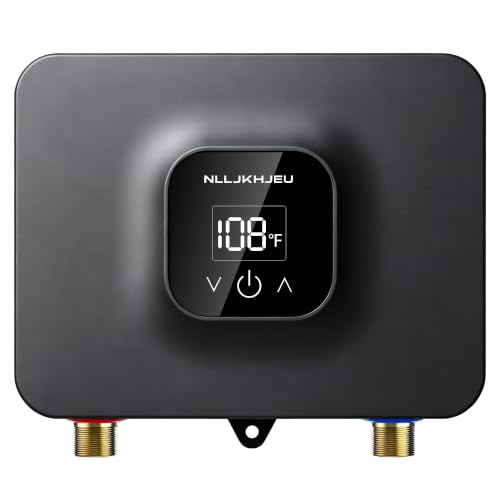
Tankless water heaters don’t store hot water, so they can’t deliver it instantly at the tap. The delayed heating combined with leftover cool water in the pipes causes a cold water sandwich effect: a short burst of cold water before hot water arrives. This article explains why that happens, how recirculation systems can fix it, and what that means for your energy use and comfort.
Many homeowners expect instant hot water from tankless systems and get frustrated by the wait and cold water bursts. Understanding the mechanism and solutions can save water, energy, and hassle this winter.
Why Tankless Water Heaters Delay Hot Water and Cause Cold Water Sandwich
A tankless water heater causes a cold water sandwich because it takes a moment to heat water on demand, and the cooler water left in the pipes flows out first. Demand recirculation systems push this cooled water back to the heater, cutting wait times and saving water and energy.
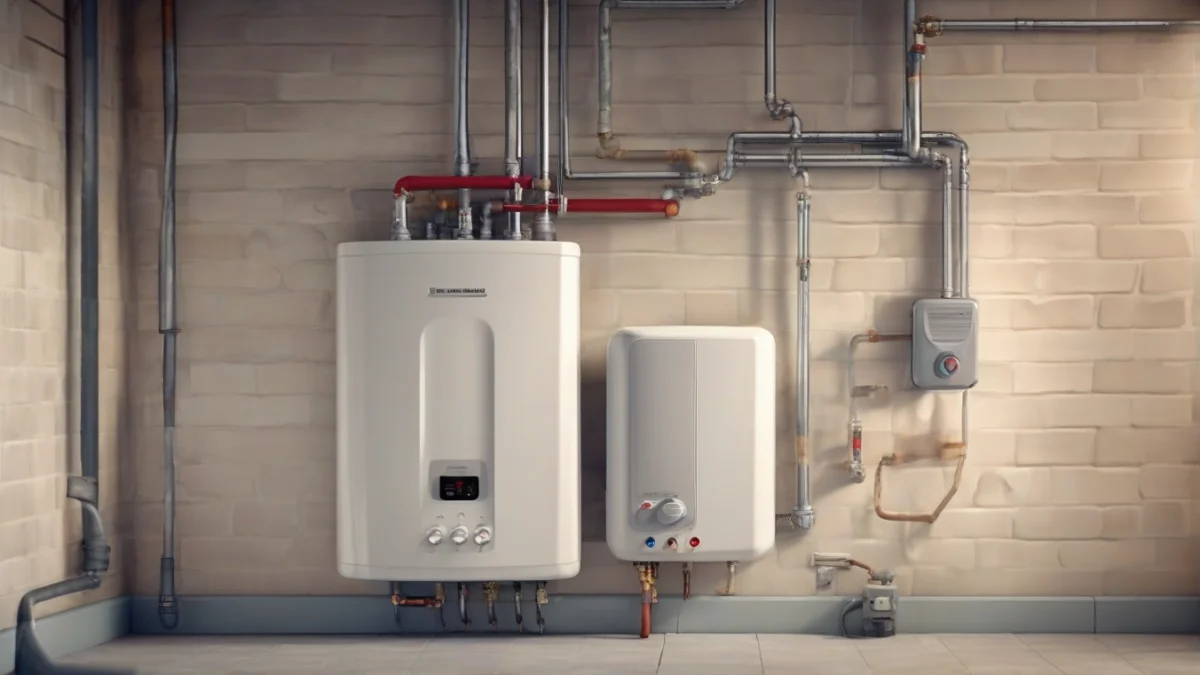
The cold water sandwich happens when you turn on hot water quickly, shut it off, and then turn it on again before the heater fully responds. The water heater heats water as it flows, but it needs a few seconds to reach the set temperature after flow starts. During that delay, leftover cooled water in the hot water lines leaves your faucet first, causing a brief burst of cold water between hot flows.
In a tankless heater, there’s no stored hot water ready to go. The unit’s heat exchanger activates only when flow is detected, which means the first water to appear is what’s still sitting in the pipes, cooled down from the last use. This delay is why you wait for hot water and get the cold water sandwich.
Recirculation pumps solve this by moving cooled water from the hot water line back to the tankless heater, where it’s reheated. A demand recirculation pump runs only when you need hot water—triggered by a switch, timer, or motion sensor—so it avoids wasting energy by running continuously. This approach keeps the water in the pipes closer to the desired temperature without constant pumping.
Continuous recirculation systems keep water moving nonstop but can waste energy by running the pump and losing heat through pipes at all times. Demand-controlled recirculation is more efficient, activating only on demand to balance comfort, water savings, and energy use.
The Department of Energy recommends demand-controlled recirculation systems for tankless heaters to reduce water waste without the high energy costs of continuous circulation. They also advise minimizing pipe length and diameter and installing the heater close to fixtures to cut wait times.
In short, a tankless water heater waits to heat water because it heats only as water flows, causing the cold water sandwich from leftover water in the pipes. Demand recirculation pumps reduce this wait by cycling cooled water back to the heater on demand. This setup is the DOE’s preferred method to deliver hot water faster while saving water and energy.
Install Recirculation Pumps to Cut Hot Water Wait and Save Energy
A tankless water heater recirculation pump cuts down the wait for hot water by cycling cooled water from the hot water line back to the heater, preventing cold water sandwich delay.
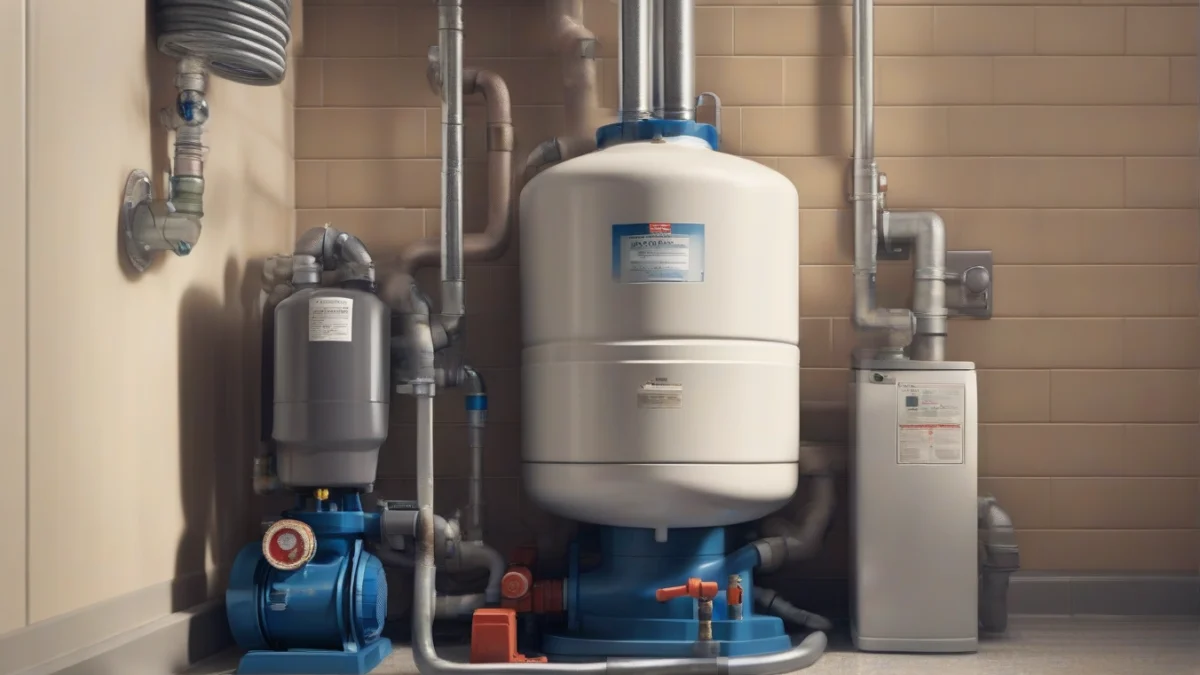
Sizing the pump depends on your home’s hot water demand. A common guideline is a pump capacity that matches your peak fixture flow—usually 0.5 to 1 gallons per minute (GPM) for residential use. Position the pump near the furthest fixture or on the return line if you have a dedicated recirculation loop.
Control methods matter for energy efficiency. Timers activate the pump only during expected usage hours, motion sensors trigger it when someone enters a bathroom or kitchen, and manual switches let you run the pump on demand. Demand hot water recirculating systems with flow or temperature sensors avoid continuous pumping, reducing wasted electricity and heat loss.
Pipe layout influences both wait time and energy use. Keeping hot water lines short and choosing smaller diameter pipes reduce the volume of cooled water that must be flushed before hot water arrives. Locating the tankless water heater closer to usage points also shortens the hot water line, cutting delay.
Insulating hot water pipes is essential. Insulation slows heat loss from the water in the pipes, so the recirculated water returns warmer and the hot water delay shrinks. Without insulation, even a recirculation pump can’t fully prevent cold water sandwich because pipes cool quickly.
Continuous recirculation pumps run all day, keeping water hot constantly but increasing electricity use and heat loss through the pipes. Demand-controlled pumps run only when needed, saving energy and still reducing wait times effectively. For tankless water heaters, which only heat on demand, demand recirculation loops are the best balance of comfort and efficiency.

Tankless Water Heater Brands That Manage Cold Water Sandwich Well
Tankless water heaters vary in how quickly they deliver hot water, affecting the cold water sandwich experience. Typical delay times range from 5 to 20 seconds depending on brand, model, and flow rate.
High-end models from brands like Rinnai and Noritz often have integrated recirculation systems or compatibility with dedicated recirculation pumps, reducing hot water wait and cold water sandwich. These units use smart sensors and faster heat exchangers to minimize delay.
Some electric tankless water heaters heat water faster than gas models at low flow rates due to instant electric heating elements, but gas models generally handle higher flow rates better. Integrated recirculation loops built into gas models make them easier to set up for demand recirculation, while electric models often need an add-on pump.
Brands such as Navien and Rheem offer tankless hot water boilers for residential use with built-in or compatible recirculation solutions. These systems maintain consistent water temperature and reduce cold water sandwich by circulating water on demand or continuously with energy-efficient controls.
Maintain Tankless Water Heaters and Recirculation Pumps
Tankless water heaters need regular maintenance to keep cold water sandwich symptoms from worsening and to avoid costly repairs. Scale buildup inside the heat exchanger restricts flow and reduces heating efficiency, so descaling is essential every 1 to 3 years depending on your water hardness. Use a tankless hot-water descaling kit with a pump to circulate a vinegar or citric acid solution through the unit as the manufacturer directs.
A clogged water filter also impedes flow and causes uneven heating. Check and clean or replace the filter every 6 to 12 months, depending on water quality. A water filter for tankless water heater models is usually located on the cold water inlet and should be easy to access.
The recirculation pump, crucial for cutting hot water wait time, requires periodic inspection. Listen for unusual noises or vibrations and check that the pump turns smoothly. Some models have lubrication points—follow the manual to keep bearings running well. A failing pump can cause longer waits and more cold water sandwich symptoms.
If you notice the cold water sandwich effect becoming more frequent or severe despite correct use, maintenance issues are likely. Reduced flow from scale or filter clogging, or a weak recirculation pump, all cause delays in heating water. Tankless hot water repair often involves descaling, filter replacement, or pump servicing before considering more costly parts.
Size Hot Water Lines and Insulate Pipes to Reduce Cold Water Sandwich
Pipe diameter and length directly affect how much cooled water sits in the line before hot water reaches your tap. Larger diameter pipes hold more water volume, increasing wait time. For tankless systems, 3⁄4 inch diameter lines are common for main runs, but reducing branch lines to 1⁄2 inch near fixtures cuts volume and cold water sandwich length.
Insulating hot water pipes slows heat loss as water waits in the lines, reducing temperature drop and the cold water sandwich effect. Pipe insulation is especially effective in cold climate zones where uninsulated pipes lose heat quickly. While insulation alone won’t eliminate the delay, it complements recirculation pumps by keeping water warmer longer.
Expansion tanks for tankless heaters should be installed on the hot water line near the heater or at the pressure regulator. Placing it on the hot side accommodates thermal expansion from heating and prevents pressure spikes that stress the system and valves.
Pipe sizing for tankless systems balances flow rate, pressure loss, and water volume. Oversized pipes increase wait time; undersized pipes cause low flow and temperature fluctuations. Follow manufacturer recommendations and local plumbing codes for sizing, usually 3⁄4 inch for main hot water lines and 1⁄2 inch for branches. Climate zone impacts heat loss and recirculation efficiency, so colder regions benefit more from insulation and demand recirculation combined.
Checklist for Buying or Installing Tankless Water Heater Recirculation
You can create a hot water loop with a tankless water heater, but it requires a compatible recirculation pump and proper controls to avoid wasting energy and causing premature wear.
Start by confirming your existing pipe layout and distances. Measure the length between the heater and your furthest fixture to estimate how much cooled water sits idle in the lines.
Check that the recirculation pump model you choose is compatible with your tankless unit. Some pumps include built-in sensors or valves designed specifically for tankless setups, such as a recirculation valve that prevents backflow and reduces cold water sandwich.
Verify the control options. Demand-controlled pumps triggered by a switch, timer, or motion sensor are preferable to continuous pumps, which can waste energy by running nonstop and increasing heat loss.
A gas tankless water heater recirculation setup often requires additional safety measures, like a thermal bypass valve and proper venting, to handle exhaust gases safely while maintaining circulation efficiency.
For electric tankless units, installation usually involves adding a dedicated hot water circulation line, installing the pump near the heater, and ensuring the electrical supply matches the pump’s requirements.
Plan for insulation and pipe sizing improvements alongside the recirculation system. Smaller diameter pipes and insulated lines reduce the volume of cooled water and heat loss, shortening wait times and lowering energy use.
Installing a demand recirculation system with your tankless water heater can significantly reduce cold water sandwich effects, but skipping these checklist steps risks poor performance, higher energy bills, or safety problems.
If you want detailed guidance on how tankless water heater recirculation pumps work, see this page for step-by-step explanations and model recommendations.
More Questions, Answered
How often should a tankless water heater be maintained to prevent cold water sandwich?
Can pipe insulation alone eliminate the cold water sandwich effect?
Is it better to install multiple small tankless units near fixtures or one central unit?
What are the energy trade-offs between continuous and demand recirculation systems?

HeaterGuides covers home heating, water heating and HVAC: how the equipment works, what it costs to run, and how to use it safely.