

Sensors in IoT-based HVAC systems monitor temperature, humidity, and air quality, enabling efficient energy management and enhanced indoor comfort through real-time data analysis.
IoT sensors transform HVAC systems from dumb machines into intelligent climate control networks. By monitoring temperature, humidity, air quality and occupancy in real-time, these connected devices optimize performance while cutting energy costs by up to 30%.

Elitech
Elitech HVAC Refrigerant Leak Detector Heated Diode…
- Heated Diode Sensor: Compared to traditional sensors, the results are also more accurate for all halogenated refrigerants.
- TFT Screen: First leak detector with a TFT screen that gives more clear and easy readings on sensitivities, leakage alerts, batter…
- Higher Sensitivity: Adjustable sensitivity with High/Medium/Low levels and the maximum sensitivity is up to 0.1oz/yr.
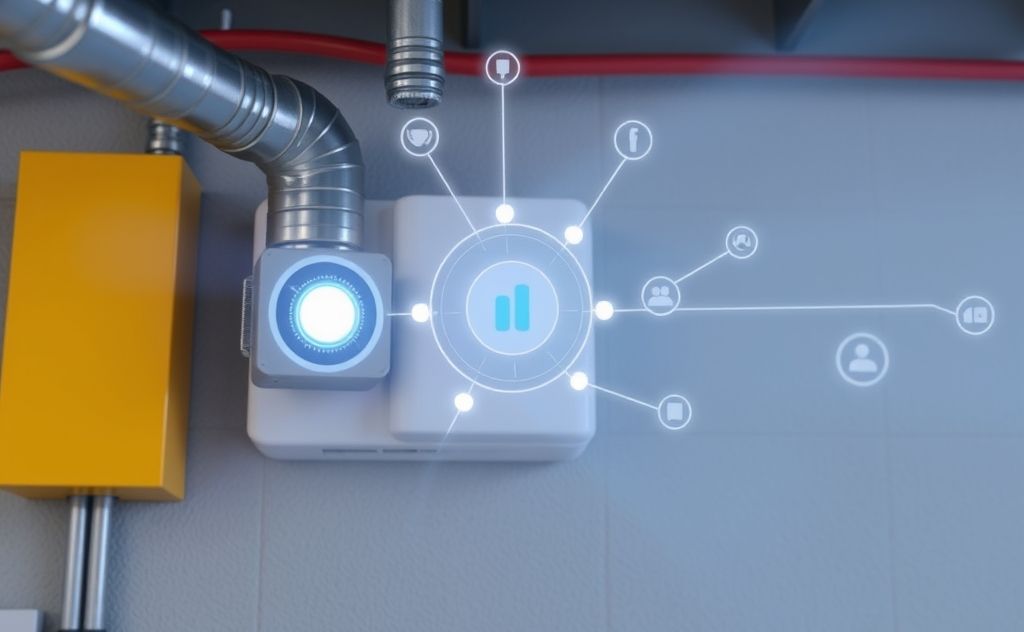
Core Sensors Powering Smart HVAC Systems
Modern IoT-enabled HVAC systems rely on an array of specialized sensors that work together like a nervous system:
Temperature Sensors
Precision thermistors and RTDs provide 0.1°C accuracy for zone-specific climate control. Unlike traditional thermostats, these sensors feed continuous data to the control system. For example, advanced thermostat controls can adjust heating cycles based on real-time readings.
Humidity Sensors
Capacitive humidity sensors maintain ideal 40-60% RH levels while preventing mold growth. High-end models like the Sensirion SHT40 offer ±1.8% RH accuracy with automatic drift correction.
Air Quality Sensors
Multi-gas detectors track:
- CO2 levels (NDIR sensors)
- VOCs (metal oxide semiconductors)
- Particulates (laser scattering)
These trigger ventilation when pollutants exceed thresholds.
Pressure Sensors
Differential pressure sensors monitor duct airflow, helping balance systems across zones. The best built-in gas heaters use pressure feedback for optimal combustion efficiency.
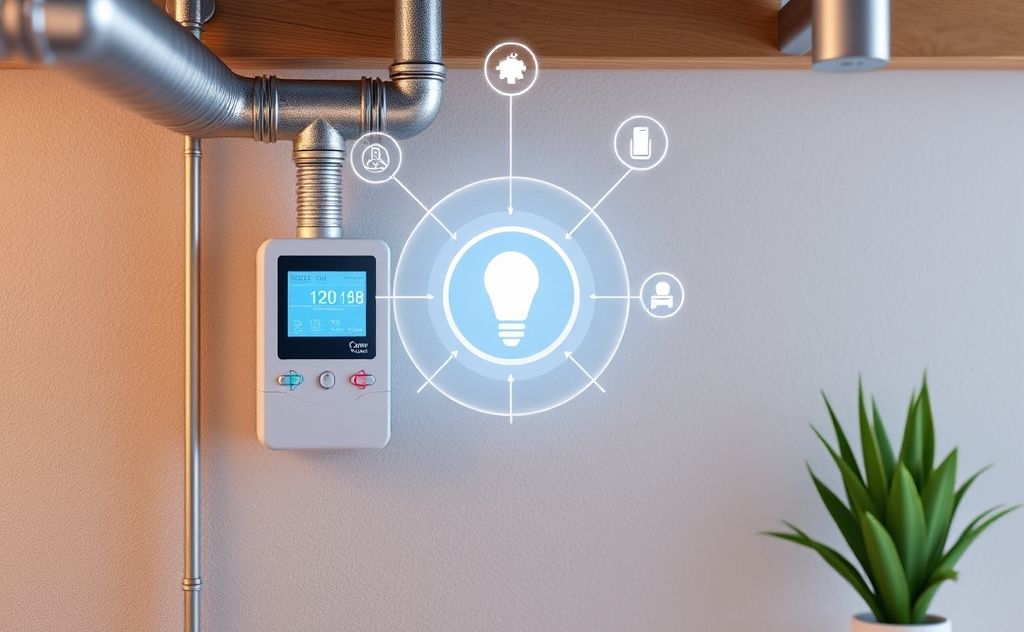
5 Game-Changing Benefits of IoT HVAC Sensors
1. Predictive Maintenance
Vibration sensors detect unbalanced fans before failure. Current monitors spot failing compressors by analyzing power draw patterns. This prevents 85% of emergency breakdowns.
2. Energy Optimization
Machine learning algorithms analyze sensor data to:
- Adjust setpoints based on weather forecasts
- Implement optimal start/stop times
- Balance loads across equipment
According to DOE studies, this cuts HVAC energy use by 20-30%.
3. Zoned Climate Control
Occupancy sensors combined with VAV dampers create micro-climates. Conference rooms get cooled only when scheduled, while server rooms maintain strict 72°F ±1°.
4. Air Quality Management
CO2 sensors trigger demand-controlled ventilation, while PM2.5 monitors activate HEPA filtration during wildfires – crucial for schools and hospitals.
5. Remote Diagnostics
Technicians access real-time sensor data via cloud dashboards to troubleshoot issues before dispatch. The ASHRAE Guideline 36 now recommends IoT monitoring for all commercial HVAC systems.
Implementation Challenges & Solutions
Sensor Placement
Strategic positioning is critical:
- Temperature sensors away from direct sunlight
- Airflow sensors 5 duct diameters from bends
- Wall-mounted CO2 sensors at breathing height
Data Overload
Edge computing filters noise – local gateways process raw data, sending only actionable insights to the cloud. This reduces bandwidth needs by 80%.
Cybersecurity
Encrypted LoRaWAN networks with device authentication prevent hacking. Regular firmware updates patch vulnerabilities in sensor nodes.
The Future of Smart HVAC
Emerging technologies will further enhance IoT HVAC:
- Self-powered sensors using thermoelectric or PV energy harvesting
- AI-powered fault detection that learns normal operating patterns
- Blockchain-based automated demand response programs
These innovations promise to make buildings 40% more energy efficient by 2030.
Related pick: Check today's price on Amazon

I am a mechanical engineer and love doing research on different home and outdoor heating options. When I am not working, I love spending time with my family and friends. I also enjoy blogging about my findings and helping others to find the best heating options for their needs.
Related guides

How IoT in HVAC Saves Businesses Money & Boosts Efficiency
You are a facilities manager for a 50,000-square-foot office building. Your HVAC system runs 24/7, and last month…

Voice-Controlled HVAC Systems: The Future of Smart Home Comfort
Voice-controlled HVAC systems in IoT enhance user convenience, optimize energy efficiency, and enable smart home integration for seamless…
How IoT Transforms HVAC Control for Maximum Efficiency
The IoT enhances HVAC control by enabling real-time monitoring, automated adjustments, and predictive maintenance, leading to increased efficiency…
![Arduino Sensor Kit - Base [TPX00031] -…](https://m.media-amazon.com/images/I/41VrImqpp2L._SL500_.jpg)