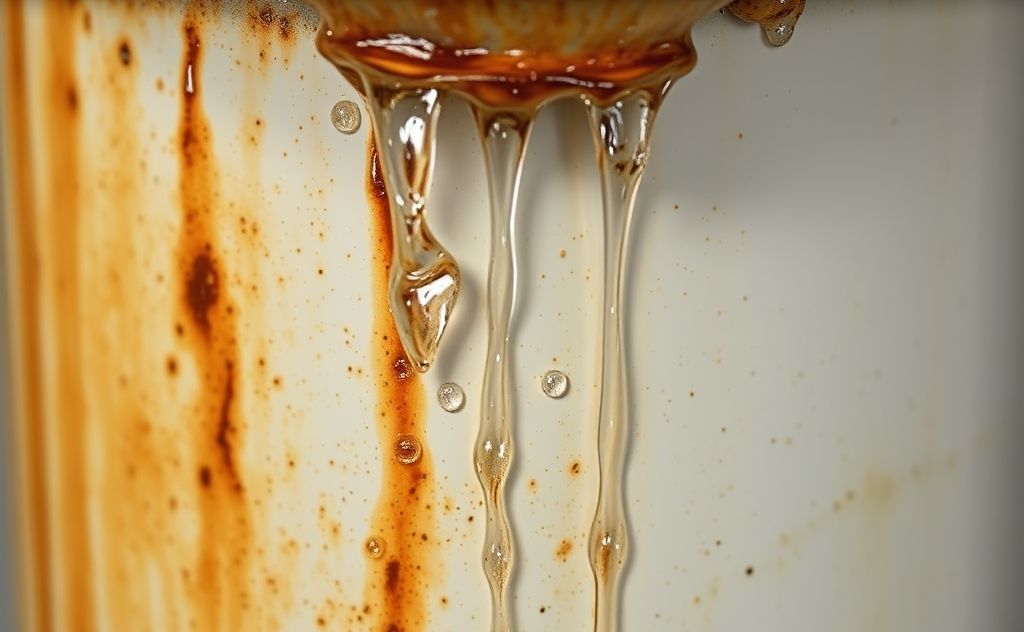
You turn on the bathroom faucet, expecting clear hot water for a shower, and out comes a stream that looks like weak iced tea. Sometimes it clears after a few seconds. Sometimes it stays rusty for minutes. If you’ve seen this, your first thought is probably that the water heater is dying. That’s often true, but not always. The real cause could be something cheaper to fix, or something entirely outside your house.
This guide walks through exactly how to find out where the red water comes from, what each cause looks like, and what it costs to fix. You’ll learn a simple diagnostic test that separates a failing tank from a plumbing problem, a safe DIY flushing procedure, and the maintenance habits that keep this from ever happening again. By the end, you’ll know whether to spend $20 on a part, $200 on a service call, or $1,500 on a new heater.
One quick note before diving in: if your heater is old and you’re weighing repair against replacement, a mini tank water heater can serve as a temporary or permanent solution for a single fixture while you sort out the main unit. It’s not a substitute for a full-size tank, but it buys you time and keeps one sink functional.

Is It the Water Heater or the Pipes? A Quick Diagnostic Test
Before you drain anything or buy any parts, run this test. It takes five minutes and tells you which side of the wall the problem lives on.
- Run the cold water only. Fill a clear glass from the kitchen sink. Let it run for 30 seconds first. If the cold water is clear, the issue is isolated to the hot side. If the cold water is also rusty or brown, the problem is upstream: your main supply line, the city mains, or your own galvanized pipes.
- Run the hot water only. Fill another glass after 30 seconds. Compare the two. If only the hot water is discolored, the source is almost certainly inside the water heater or the hot water piping.
- Check the timing. If the hot water runs clear for the first few seconds and then turns rusty, that’s sediment stirred up from the bottom of the tank. If it’s rusty immediately and stays rusty, that’s corrosion inside the tank or the anode rod breaking down.
- Test all faucets. If only one faucet shows red water, the problem is the faucet itself or the short pipe feeding it. If every hot water faucet in the house runs red, the heater is the common denominator.
This test isn’t perfect. A heavily corroded tank can contaminate the cold water line through a faulty dip tube or a failing check valve, but those cases are rare. In 95% of situations, the hot-versus-cold comparison points you in the right direction.
The Top 4 Causes of Red or Brown Hot Water (and How to Identify Each)
The Sacrificial Anode Rod: When Protection Turns to Pollution
Every glass-lined tank has a metal rod inside, usually magnesium or aluminum, that corrodes on purpose. It’s called a sacrificial anode rod. It rusts so the steel tank doesn’t. That’s the deal. But when the rod is fully consumed, the water inside the tank starts attacking the tank’s steel walls directly. Iron oxide, which is rust, flakes off and comes out your faucets as red or brown particles.
How do you know it’s the anode rod? The water looks rusty but there’s no sediment at the bottom of the tank when you drain it. The discoloration is more like a stain than chunks. You can also check the rod itself: it’s accessible through a hex head fitting on top of the tank, usually under a plastic cap. If the rod is down to a thin wire or completely gone, that’s your answer.
Replacing an anode rod costs $30 to $60 for the part. It’s a DIY job if you have a 1-1/16 inch socket and a breaker bar, though the old rod can be stubbornly seized. Plumbers charge $150 to $300 for the swap, which is still far cheaper than a new tank.
Sediment Buildup: The Silent Tank Killer
Hard water contains calcium and magnesium carbonates. When you heat water, those minerals precipitate out and settle on the bottom of the tank. Over years, that layer grows thick, sometimes reaching several inches. The burner or heating element then has to heat through that crust, which wastes energy and causes the tank bottom to overheat. That overheating accelerates corrosion of the steel, and the rust mixes with the sediment to produce brown water.
Sediment-related red water often shows up as a sudden burst of brown when you first draw hot water, then clears to normal. You’ll also hear popping or rumbling sounds from the tank as steam bubbles escape through the sediment layer. That’s a classic sign.
The fix is flushing the tank, which I’ll cover step by step below. It’s a dirty job, but it’s the single best thing you can do for a gas water heater’s lifespan.
Corroded Pipes and Municipal Supply Issues
Your water heater might be innocent. If you have galvanized steel pipes in your home, those corrode from the inside out. The rust flakes travel with the water, and because hot water moves faster and dissolves more minerals than cold, the problem often shows up more on the hot side. The diagnostic test from earlier will help: if cold water is also discolored, look at the pipes, not the tank.
Municipal supply issues are another possibility. Water utilities sometimes flush fire hydrants or perform maintenance that stirs up iron and manganese from the mains. This causes temporary discoloration that affects both hot and cold water. You can check your city’s water quality reports or call the utility to ask about recent work in your area. If it’s a city issue, it usually resolves within a day or two.
Iron Bacteria and Manganese: The Unseen Culprits
Less common, but worth knowing about, is iron bacteria. These are microorganisms that feed on iron in the water and produce a reddish-brown slime. They thrive in water with low oxygen and can colonize your water heater tank, especially if it sits unused for weeks. The water may have a metallic smell or an oily sheen on top.
Manganese, a naturally occurring metal in groundwater, also causes brown or black staining. It’s not harmful at typical levels, but it’s unattractive and can stain laundry. If you’re on a private well, test your water for iron and manganese specifically. A standard water test panel covers both. Treatment usually involves a sediment filter, an iron filter, or water softener adjustments, depending on the concentration.
How to Fix It: A Step-by-Step Action Plan
Flushing Your Tank Safely (DIY Guide)
Flushing removes sediment and gives you a chance to inspect the anode rod. Here’s the safe way to do it. This applies to tank-type heaters, not tankless units.
- Turn off the power or gas. For electric heaters, switch off the breaker. For gas heaters, turn the thermostat to pilot or off. Never run an empty tank with the burner or elements on — you’ll destroy them.
- Turn off the cold water supply. There’s a valve on the cold water line above the tank. Close it.
- Attach a garden hose to the drain valve. The drain spigot is near the bottom of the tank. Run the hose to a floor drain, a utility sink, or outside. Make sure the end is secure; the water will be hot and pressurized.
- Open a hot water faucet. This lets air into the tank so water can flow out. Pick the closest faucet to the heater.
- Open the drain valve. Water will rush out. It’ll be rusty and full of sediment. Let it flow until it runs clear. This can take 10 to 30 minutes for a badly fouled tank.
- Close the drain valve, remove the hose, and reopen the cold water supply. Leave the hot water faucet open until a steady stream of water comes out, which purges air from the system. Then close the faucet.
- Restore power or gas. Wait for the tank to refill completely before turning the breaker back on or relighting the pilot. If you skip this, you risk burning out the heating elements.
Do this once a year as a rule. If you have hard water, do it every six months. The first flush of an old tank can produce a shocking amount of debris — I’ve seen buckets full of sand-like grit come out of a 10-year-old heater.
Replacing the Anode Rod (When to DIY vs. Call a Pro)
If flushing doesn’t cure the red water, the anode rod is the next suspect. Replacing it is straightforward in theory: unscrew the old rod, screw in a new one. In practice, the rod’s hex head is often corroded and stuck. A 6-foot breaker bar and penetrating oil usually win, but there’s a risk of stripping the fitting or cracking the tank’s top if you apply too much force.
If you’re handy and the tank is under 8 years old, try it yourself. If the tank is older or the fitting looks corroded, call a plumber. A cracked tank top is a catastrophic leak, and the cost of that repair dwarfs a $200 service call. Also, check your warranty before you touch anything. Some manufacturers void coverage if you replace the anode rod yourself.
When Repair Isn’t Enough: Signs You Need a New Water Heater
Sometimes red water isn’t a symptom you can fix. It’s a death rattle. Here are the signs that repair is throwing good money after bad:
- The tank is leaking. Any puddle under the heater, especially near the bottom, means the tank has corroded through. There’s no patch for that. Replacement is the only option.
- The tank is over 10 years old. Most tank-type heaters have a lifespan of 8 to 12 years. If yours is in that range and showing rust, the internal steel is likely compromised.
- The water is rusty even after flushing and a new anode rod. That means the tank’s glass lining has failed and the steel walls are actively corroding. You can’t stop that process from the inside.
- You hear constant rumbling or popping. That’s boiling water trapped under a thick sediment layer, which overheats the tank bottom and accelerates corrosion.
If any of these apply, start shopping for a replacement. The thermostat inside the heater controls when the burner fires, but it can’t save a tank that’s rusted from within.
Cost Breakdown: Repair vs. Replacement (2026 Pricing)
Here’s a realistic look at what each option costs. Prices vary by region and labor rates, but these are solid averages for the US market.
| Action | DIY Cost | Pro Cost | Lifespan of Fix |
|---|---|---|---|
| Flush the tank | $0 (just your time) | $100 – $200 | 6 – 12 months |
| Replace anode rod | $30 – $60 (part only) | $150 – $300 | 3 – 5 years |
| Replace dip tube | $15 – $30 (part only) | $150 – $250 | 5 – 10 years |
| Install new tank (40-gal gas) | $600 – $900 (unit only) | $1,200 – $1,800 | 8 – 12 years |
| Install new tank (40-gal electric) | $500 – $800 (unit only) | $1,000 – $1,500 | 10 – 15 years |
The math is simple. If your tank is under 8 years old and the only issue is rust from the anode rod, a $60 part and an afternoon of work beats a $1,500 replacement. If the tank is leaking or over 12 years old, every dollar spent on repairs is a dollar wasted. Put it toward the new unit.
How to Prevent This From Happening Again (Maintenance Calendar)
Red water doesn’t have to be a recurring problem. A simple schedule keeps your tank clean and your water clear.
- Monthly: Check the floor around the tank for moisture. Listen for popping sounds. Run a glass of hot water and look for discoloration.
- Quarterly: Test the temperature and pressure relief valve by lifting the lever briefly. It should release a burst of hot water. If it doesn’t, replace it — a stuck T&P valve is a safety hazard.
- Every 6 months: Flush the tank if you have hard water. Check the anode rod at the same time.
- Yearly: Flush the tank regardless of water hardness. Inspect the anode rod and replace it if it’s more than 50% consumed.
- Every 2 – 3 years: Have a plumber inspect the unit, especially the gas valve or heating elements, and check the venting for blockages.
One more thing about water softeners: they make the water harder on your anode rod. Softened water is more aggressive at corroding magnesium and aluminum, so the rod gets eaten faster. If you have a softener, plan on replacing the anode rod every 2 to 3 years instead of every 5. Some manufacturers make powered anode rods that resist this, but they cost more. It’s a trade-off worth knowing about.
If you’re considering a switch to tankless, keep in mind that tankless water heaters don’t store water, so they don’t have sediment buildup or anode rods. But they have their own maintenance needs, like descaling the heat exchanger annually.
Frequently Asked Questions About Red Water
Is red water from a water heater safe to drink?
Rust and sediment from a water heater aren’t usually toxic. Iron oxide is not a health hazard at the levels you’d see from a corroding tank. The bigger concern is bacterial growth. If the sediment sits for months, it can harbor bacteria, and the water can develop a sulfur smell. If the water smells foul or looks oily, don’t drink it. Otherwise, it’s safe to use for washing, though you might not want to drink it just because it looks bad.
Why is my hot water rusty but cold water is clear?
That’s the classic sign of internal tank corrosion or a depleted anode rod. The cold water comes straight from the supply line, bypassing the tank. The hot water has been sitting in the tank, where it has contact with the rusting steel or the dissolving anode. Run the diagnostic test from earlier to confirm, then check the anode rod.
Can a water heater explode from too much sediment?
Not exactly, but sediment can cause a dangerous condition. A thick sediment layer traps water against the bottom of the tank, where it boils into steam. That creates pressure spikes and can cause the tank to rupture. It’s rare, but it happens. The popping sounds you hear are steam bubbles. If you hear that, flush the tank soon and seriously consider replacing it if it’s old.
How often should I flush my water heater to prevent rust?
Once a year for most homes. If you have hard water, do it every six months. The mineral content of your water is the main variable. A simple water hardness test strip, available at any hardware store, tells you where you stand. Over 10 grains per gallon, and you’re in the hard water camp.
Does a water softener cause red water?
Indirectly, yes. Softened water accelerates the corrosion of the anode rod, which then releases iron into the water. The softener itself doesn’t add rust, but it shortens the life of the rod. If you have a softener and see red water, check the anode rod first. It’s likely the culprit.
The Bottom Line: Don’t Ignore the Rust
Red water from your hot water heater is never a good sign, but it’s not always a disaster. A quick diagnostic test tells you whether the problem is inside the tank, in your pipes, or coming from the city supply. From there, the fix ranges from a free flush to a necessary replacement.
- Run the hot-versus-cold test before you spend any money on parts.
- Flush your tank annually; every six months if you have hard water.
- Inspect the anode rod yearly and replace it when it’s more than half gone.
- If the tank is leaking or over 12 years old, skip the repairs and buy a new unit.
- Water softeners eat anode rods faster, so check yours more often.
- Rusty water from the tank is usually safe, but if it smells bad, don’t drink it.
- Keep a maintenance calendar to avoid the problem entirely — a $60 anode rod is cheaper than a $1,500 tank.
Related guides
Reliable Rheem Water Heater Installation Bracket Kit for Basements
Ensure your Rheem water heater stays secure in basement seismic zones with our durable installation bracket kiteasy to…
How to Light a Rheem Gas Water Heater Pilot Light Safely
It's 6:30 AM, the water's ice cold, and you're staring at the base of your Rheem gas water…
How to Drain an Electric Water Heater with Plastic Valve Knob
To drain an electric hot water heater with a plastic valve knob, simply turn the knob counterclockwise to…