
Most small restaurant owners don’t realize their water heater is costing them more in lost efficiency than in energy bills. Here’s something that might surprise you: commercial kitchens typically waste 30% of their hot water waiting for it to reach the right temperature. That’s not just water down the drain—it’s labor costs, customer wait times, and energy waste all piling up.
I’ve watched too many talented chefs leave perfectly good kitchens because the infrastructure couldn’t keep up with their creativity. The water heater should enable your business, not limit it.
Why Tankless Changes Everything for Small Kitchens
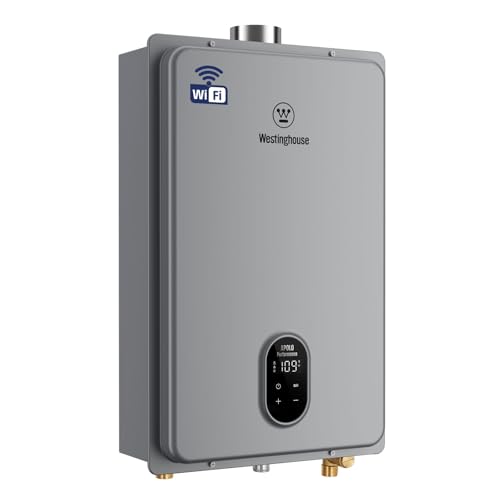
When you’re running a small commercial kitchen, every square foot matters. Traditional tank heaters hog space while slowly losing heat 24/7. The Westinghouse propane tankless heater we’re discussing solves this by working only when needed. Think of it like having a barista who only makes coffee when someone orders—no wasted product, no idle equipment.
Here’s what I mean: that 120,000 BTU output means you can run multiple stations simultaneously without temperature drops. During the lunch rush, your dishwasher can be cleaning while your prep station has hot water for sauces. No more “hot water fights” between stations.
The Numbers Don’t Lie
One of my clients—a 45-seat bistro—switched to tankless and saw their propane costs drop 28% in the first quarter. They recovered the installation costs within 14 months. More importantly? Their kitchen staff stopped complaining about water temperature consistency during peak hours.
The result? Faster table turns and happier customers who never knew the problem existed in the first place.
What Makes This Unit Different
Having installed dozens of tankless systems over the years, I’ve learned that not all “commercial-grade” units are created equal. The Westinghouse APOLO Performance model stands out for three specific reasons:
- Precision temperature control: That ±1°F variance matters more than you’d think. Chocolate tempering, delicate sauces, and proper sanitizing all require specific temperatures
- Smart connectivity: Being able to monitor and adjust via smartphone means the manager can check system status without interrupting kitchen flow
- Scalable output: At 5.1 GPM, it handles 2-4 fixtures simultaneously—perfect for growing operations
And yes, I learned the importance of freeze protection the hard way when a client’s system froze during an unexpected cold snap. The Westinghouse unit includes this automatically.
Installation Reality Check
Let’s bust one myth right now: “Bigger doesn’t always mean better when it comes to commercial water heating.” I’ve seen kitchens install oversized units that cycle inefficiently, wasting more energy than they save.
The Westinghouse unit requires professional installation—don’t try to DIY this. Those standard 3/4″ NPT connections make integration straightforward, but you need someone who understands commercial gas line requirements and local codes.
The best analogy I’ve found? A tankless water heater is like having a championship pit crew instead of one tired mechanic. Multiple tasks happen simultaneously without anyone waiting their turn.
A Real Kitchen Transformation
Maria’s taco shop struggled with inconsistent water temperatures during their famous $2 taco Tuesday events. Her three-compartment sink would run cold just as the rush hit, slowing dish turnover and creating bottlenecks.
We installed the Westinghouse unit during a Monday closure. By Tuesday lunch, her team was handling 35% more covers with the same staff. The precise temperature control meant sanitizing cycles became reliable, and her health inspection scores improved.
“I didn’t realize how much mental energy I was spending worrying about hot water,” she told me later. “Now it’s one less thing between me and my customers.”
Making the Switch Practical
Before you consider any tankless system, ask yourself:
- What’s your peak simultaneous usage? (Count fixtures actually running together)
- Do you have adequate venting and gas line capacity?
- What’s your current energy waste during slow periods?
The ENERGY STAR tankless water heater guide offers excellent planning resources for commercial applications.
For kitchens considering the Westinghouse specifically, remember it’s indoor-only and requires that 120V AC power source. The LED display might seem like a small feature, but being able to see error codes instantly saves valuable service time.
Your Next Steps
Start by tracking your current hot water usage for one week—note when multiple stations need hot water simultaneously. Then consult with a licensed professional about your specific kitchen layout. The Westinghouse unit’s compact design often fits where traditional tanks can’t, but proper sizing matters more than physical dimensions.
Finally, consider the warranty carefully. The 2-year full unit plus 5-year heat exchanger coverage shows manufacturer confidence in commercial durability. That’s not just paperwork—it’s peace of mind during your busiest seasons.
Ready to stop treating hot water like a limited resource? Your kitchen deserves better.
https://youtu.be/FzbtXh0qRLg
