Regular cleaning of HVAC systems prevents corrosion by removing contaminants, ensuring efficient operation, and extending equipment lifespan.
HVAC system corrosion silently destroys coils, ducts, and components while reducing efficiency by up to 30%. Left unchecked, corrosion leads to refrigerant leaks, system failures, and costly replacements. This guide reveals proven cleaning methods and prevention strategies to protect your HVAC investment.

Rectorseal
RectorSeal GulfCoat 80401 HVAC Coil Protector, Extends…
- APPLICATION: GulfCoat Blue and clear corrosion resistant coatings are specifically designed for the protection of HVAC coils and c…
- EASY APPLICATION: Easily used and can be applied on-site or at your premises after HVAC units have been manufactured and installed
- SUPERIOR FORMULA: GulfCoat HVAC coil protection is formulated to improve coil adhesion, moisture resistance, UV protection, and co…
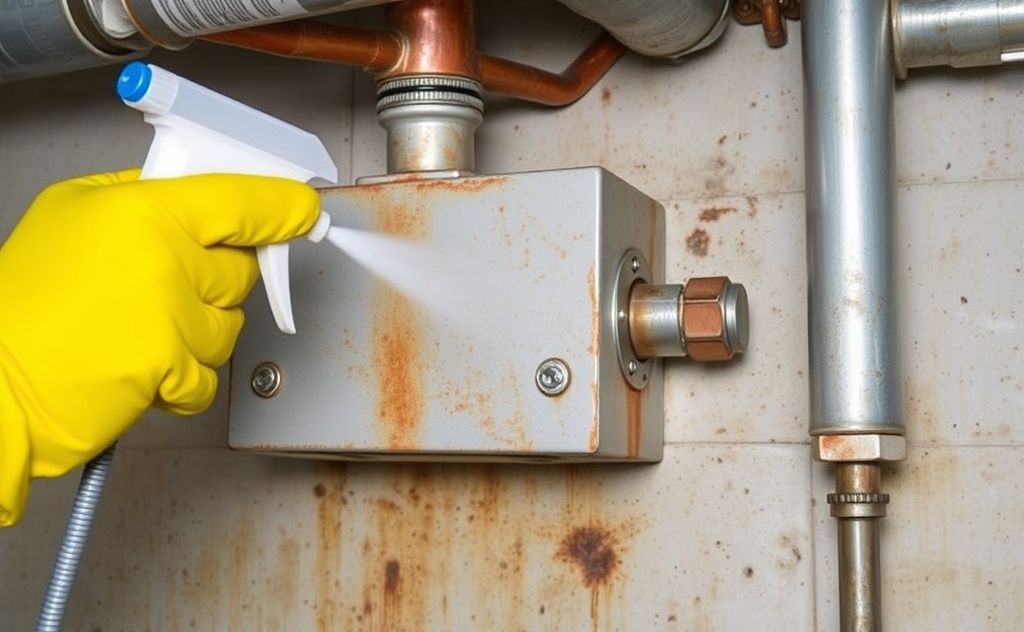
How Corrosion Attacks HVAC Systems
Corrosion occurs when metals react chemically with environmental elements. HVAC systems face three primary corrosion types:
1. Pitting Corrosion
Chlorides and fluorides create deep pits in metal surfaces. Common sources include:
- Pool chemicals near outdoor units
- Household cleaners with bleach
- Coastal salt air
2. Formicary Corrosion
VOCs (volatile organic compounds) combine with moisture to form microscopic tunnels through copper coils. Major VOC sources include:
| Source | Common Products |
|---|---|
| Cleaning Supplies | Aerosol sprays, disinfectants |
| Building Materials | Paints, adhesives, carpets |
| Personal Care | Hairspray, air fresheners |
3. Galvanic Corrosion
When dissimilar metals contact each other in moist environments, creating electrical currents that accelerate deterioration. Common problem areas include:
- Aluminum fins with copper tubing
- Steel brackets touching copper lines
- Mixed metal fasteners
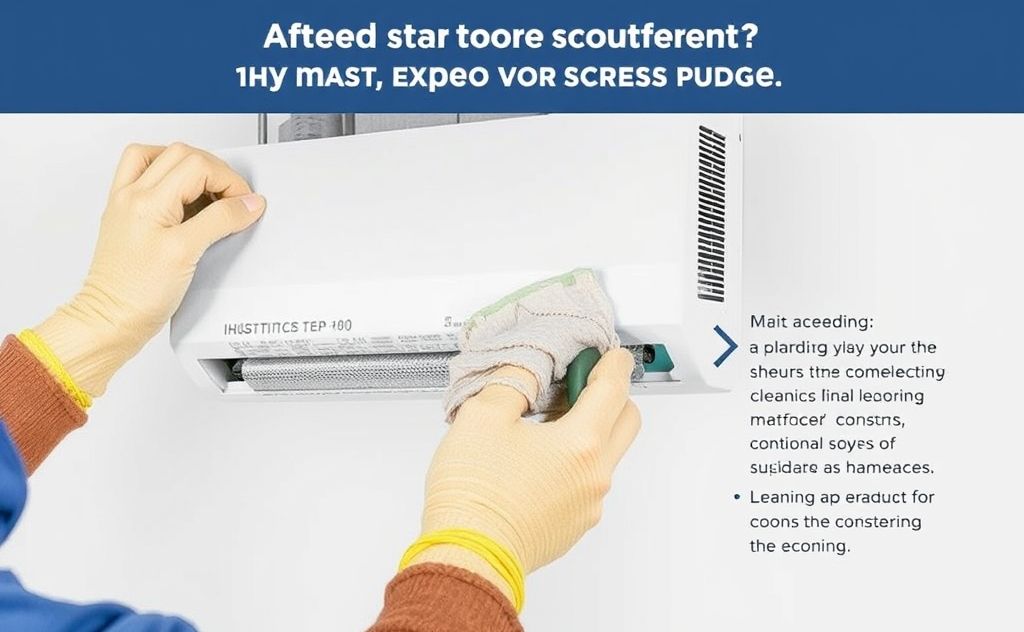
Step-by-Step HVAC Cleaning Process
Outdoor Unit Maintenance
- Power off unit at disconnect box
- Remove debris with soft brush
- Straighten bent fins with fin comb
- Spray coils with EPA-approved coil cleaner
- Rinse gently with garden hose
Indoor Coil Cleaning
For best results, use a professional-grade coil cleaner like Nu-Calgon Evap-Foam:
- Shut off power to air handler
- Remove access panel
- Apply foam cleaner evenly
- Let sit 10-15 minutes
- Rinse with pump sprayer
Advanced Corrosion Prevention
Humidity Control
Maintain indoor humidity between 40-50% using:
- Whole-home dehumidifiers
- Properly sized AC units
- Ventilation upgrades
Protective Coatings
Consider these professional-grade solutions:
- Epoxy coil coatings
- Vapor corrosion inhibitors (VCIs)
- Zerust protective wraps
Material Upgrades
When replacing components, choose corrosion-resistant materials like those found in modern heating systems:
- Stainless steel hardware
- Microchannel coils
- Polymer drain pans
Professional Maintenance Schedule
Follow this timeline for optimal protection:
| Frequency | Service |
|---|---|
| Monthly | Filter changes, visual inspection |
| Bi-Annual | Professional cleaning, refrigerant check |
| Annual | Corrosion inspection, coating renewal |
By implementing these cleaning and prevention strategies, you can extend HVAC system life by 5-10 years while maintaining peak efficiency. For specialized components like anode rods, consult manufacturer guidelines for optimal maintenance.
Related pick: Check today's price on Amazon

I am a mechanical engineer and love doing research on different home and outdoor heating options. When I am not working, I love spending time with my family and friends. I also enjoy blogging about my findings and helping others to find the best heating options for their needs.
Related guides
How Clean HVAC Systems Slash Energy Bills by 30%
You set the thermostat to 72°F, the compressor kicks on, and you hear it — that low hum…

How Technology Transforms Modern HVAC System Cleaning
Technology enhances modern HVAC system cleaning through advanced tools, automation, and data analytics, improving efficiency, effectiveness, and indoor…
7 Hidden Dangers of Neglecting HVAC System Cleaning
You notice the utility bill creeping up. The bedroom never quite reaches the temperature you set. Sometimes there's…