
Oil filled radiator heaters provide consistent warmth and energy efficiency, while fan heaters offer quick heat but are less efficient and can dry the air.
Choosing between an oil filled radiator and a fan heater can be tricky. Both have pros and cons depending on your needs. This guide breaks down the key differences to help you decide.
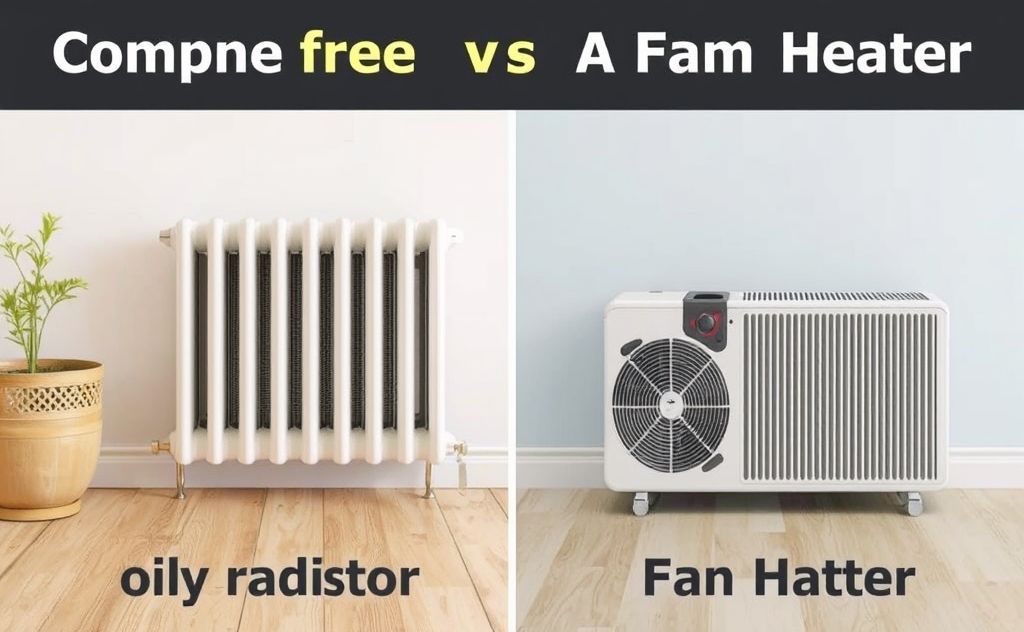
How Oil Filled Radiators Work
Oil filled radiators use electricity to heat diathermic oil inside sealed metal columns. The oil retains heat well, radiating warmth even after being turned off. These heaters provide steady, silent heat ideal for bedrooms or living rooms.
Pros of Oil Radiators
- Silent operation – no fan noise
- Gentle, even heat distribution
- Continues radiating heat after being turned off
- Doesn’t dry out the air like fan heaters
- Safer for children and pets with cool-touch surfaces
Cons of Oil Radiators
- Slower to heat up than fan heaters
- Heavier and less portable
- Can be more expensive upfront
For larger spaces, consider high-performance radiator heaters with better heat output.
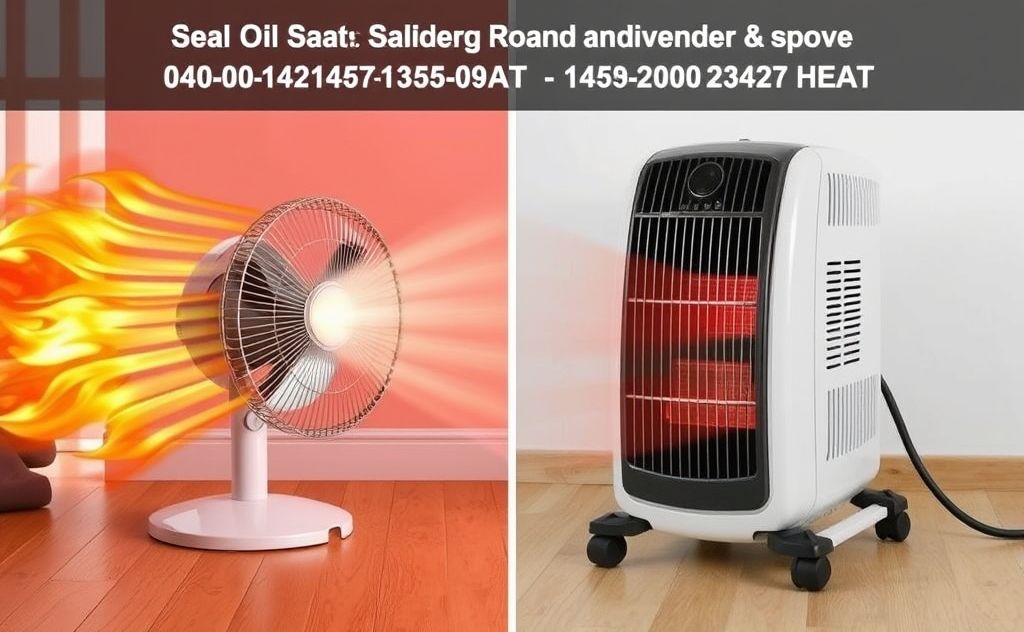
How Fan Heaters Work
Fan heaters use electric coils to heat air, which is then blown out by a fan. They provide instant, directional heat but can be noisy and dry out the air.
Pros of Fan Heaters
- Instant heat when turned on
- More portable and lightweight
- Lower upfront cost
- Good for spot heating small areas
Cons of Fan Heaters
- Noisy fan operation
- Heat stops immediately when turned off
- Can dry out air and aggravate allergies
- Hot surfaces can pose burn risks
For outdoor use, ceramic fan heaters offer more durable construction.
Key Comparison Factors
| Feature | Oil Radiator | Fan Heater |
|---|---|---|
| Heat-up Time | 10-20 minutes | Instant |
| Noise Level | Silent | Moderate to loud |
| Energy Efficiency | More efficient | Less efficient |
| Air Quality | Doesn’t dry air | Dries air |
| Safety | Cool-touch surfaces | Hot surfaces |
Which is More Cost Effective?
Oil radiators typically cost less to run despite higher upfront prices. According to Kiplinger, a 1500W oil heater costs about $25/month to run 8 hours daily, while a fan heater costs $50/month for the same usage.
Long-term Savings
- Oil heaters retain heat longer, requiring less electricity
- Programmable thermostats on oil heaters prevent overheating
- Fan heaters constantly draw power when running
Best Uses for Each Heater Type
When to Choose an Oil Radiator
- Bedrooms (quiet operation)
- Living rooms (consistent warmth)
- Allergy sufferers (doesn’t dry air)
- Overnight heating
When to Choose a Fan Heater
- Quickly warming small spaces
- Garages or workshops
- Spot heating specific areas
- Temporary heating needs
For whole-home heating, consider built-in gas heaters as a more permanent solution.
Safety Considerations
Both heater types require proper safety precautions:
Oil Radiator Safety
- Keep away from curtains/furniture
- Don’t cover while operating
- Place on level surface
Fan Heater Safety
- Keep away from water sources
- Don’t use with extension cords
- Turn off when unattended
According to Quora discussions, oil radiators are generally considered safer for long-term use.

