


De’Longhi Mica Panel Space Heater HMP1500
Cold rooms feel drafty and waste energy, especially when your heater stirs up dust or dries the air. A micathermic heater uses mica panels to generate both radiant and natural convection heat quietly and efficiently.
This technology heats rooms faster than many traditional electric heaters and maintains comfortable air quality, making it a solid choice for whole-room heating in medium to large spaces.
What the Spec Sheet Says
| Power | 1500 W |
|---|---|
| Room size | Medium to large rooms |
| Safety | Thermal shutoff, tip-over switch, standby mode |
| Mount | Freestanding or wall mount |
| Controls | Adjustable thermostat, 2 heat settings |
How Micathermic Heaters Use Mica to Heat Rooms Fast and Quietly
Micathermic heaters combine radiant heat with natural convection to warm rooms quickly and quietly, without using a fan. Thin mica sheets conduct heat efficiently and emit electromagnetic rays that warm objects and people directly, much like the way sunlight feels warm on your skin.
The heating element inside the heater warms the mica panel, which then radiates the electromagnetic heat outward. At the same time, the air around the heater naturally circulates as it warms, providing convection heat. This dual action speeds up how fast the room feels warm compared to standard electric heaters that rely on just convection.
Because mica transfers heat so well and the design avoids a fan, these heaters run silently except for occasional thermostat clicks. Unlike some heaters, micathermic models do not dry out the air, making them comfortable for longer use.
Standard Safety Features in Micathermic Heaters
Micathermic heaters come equipped with essential safety features that make them safer for home use than many other types of space heaters. A tip-over switch automatically cuts power if the unit falls, preventing fire hazards.
Overheat protection is also standard; it shuts the heater off if internal temperatures exceed safe limits. This is critical because mica panels, while excellent heat conductors, are good insulators on the surface, which reduces the risk of burns if you accidentally touch the heater.
Most micathermic heaters carry UL or ETL certifications, meaning they meet strict electrical and fire safety standards. Their housings are usually made from flame-retardant materials, adding another layer of protection.
Running Costs of a 1500W Micathermic Heater
A 1500-watt micathermic heater uses about 1.5 kilowatt-hours (kWh) of electricity per hour at full power. At a common residential electricity rate of 17 cents per kWh, that equals roughly 26 cents an hour to run.
If you run the heater for 8 hours a day, that’s 1.5 kWh × 8 hours = 12 kWh daily. Multiply by 30 days and the monthly use comes to 360 kWh, which at 17 cents per kWh costs about $61.20. The math is straightforward: watts ÷ 1,000 × hours × rate.
Micathermic heaters are about as energy efficient as any other electric resistance heater running at the same wattage. They don’t use less electricity but heat faster and feel warmer sooner due to their combined radiant and convection heat.
A typical 1500W micathermic heater can efficiently heat a room up to about 200 square feet, depending on insulation and ceiling height. Poorly insulated or drafty rooms will feel cooler and require longer run times or supplemental heat.
| Heater Power | Hourly Electricity Use (kWh) | Hourly Cost at 17¢/kWh |
|---|---|---|
| 1500 W | 1.5 | 0.26 |
Limits and Maintenance of Micathermic Heaters
Micathermic heaters do not dry out the air like forced-air heaters or some other electric heaters. Their radiant heat warms objects and air without stripping moisture, making the room feel comfortable without dryness.
Maintenance on mica heaters is minimal. Most models need only occasional dusting of the exterior and mica panels to keep airflow clear and prevent dust buildup that can reduce heating efficiency.
The mica panels themselves are durable but brittle if dropped or hit hard. Handle the heater carefully during moves or storage to avoid cracking the mica sheets, which are crucial for even heat conduction and radiant output.
Long term, mica panels hold up well if treated gently. Unlike fans or motors, they don’t wear out from use, so your heater’s core heat transfer remains steady over years. Just keep the unit dust-free and avoid physical shocks.
Comparing Micathermic Heaters with Oil-Filled and Ceramic Heaters
Micathermic heaters warm a room faster than oil-filled radiators because their mica panels heat up in 1 to 2 minutes, while oil-filled units can take 10 to 15 minutes or more. This speed comes from radiant heat that warms objects directly and natural convection that circulates air without a fan.
Compared to ceramic heaters, micathermic models are slimmer and quieter since they usually operate fanless. Ceramic heaters rely on a fan to blow warmed air, which can produce noise and take up more space. Both use about the same electricity at 1500 watts, but micathermic heaters don’t dry out the air the way ceramic heaters with fans might.
Energy use per watt is similar across mica, oil-filled, and ceramic heaters because they’re all resistance-based electric heaters. Micathermic heaters stand out for maintaining better air quality since they avoid forced air and don’t circulate dust or allergens.
In drafty or poorly insulated rooms, micathermic heaters struggle to keep temperature steady without supplemental insulation or sealing. They work best in moderately insulated spaces where their radiant and convection heat can build warmth efficiently.
| Feature | Micathermic Heater | Oil-Filled Radiator | Ceramic Heater |
|---|---|---|---|
| Heat-up time | 1–2 minutes | 10–15 minutes | 2–5 minutes |
| Noise level | Very quiet (fanless) | Silent | Moderate (fan noise) |
| Size and weight | Slim and lightweight | Bulky and heavy | Compact but thicker |
| Air quality impact | No drying or dust circulation | No drying, minimal air movement | May dry air, circulates dust |
| Best use case | Quick room heating | Long, steady heating | Spot heating with airflow |
Checklist Before Buying or Using a Micathermic Space Heater
Micathermic heaters can work as a primary heat source in small to medium well-insulated rooms but may need a backup in larger or drafty spaces. Most models are safe to leave on overnight if they have built-in safety features and you follow the manufacturer’s instructions. Always have a working smoke and carbon monoxide alarm nearby for peace of mind.
For more detailed buying advice and model comparisons, see our guide on best space heaters.
Micathermic Space Heaters to Consider

Ballu Mica Infrared Space Heater
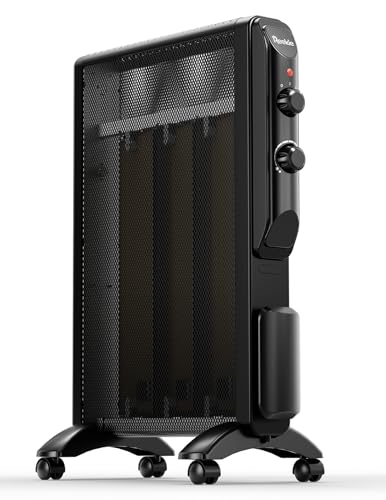
Reekie Electric Space Heater 1500W
More Questions, Answered
What is a micathermic space heater?
How does a micathermic heater generate heat?
Are micathermic heaters safe to leave running overnight?
Do micathermic heaters dry out the air?
How quickly do micathermic heaters warm up a room?
What maintenance do micathermic heaters require?
Can a 1500W micathermic heater heat a large room effectively?

I am a mechanical engineer and love doing research on different home and outdoor heating options. When I am not working, I love spending time with my family and friends. I also enjoy blogging about my findings and helping others to find the best heating options for their needs.
Related guides
DREO Space Heater Review: Honest Look at the 1500W Portable Heater
Discover the highest-rated indoor space heaters for safety and warmth. Compare top models for energy efficiency and find…

Fireplace-Style Space Heaters: Visual Warmth With Real Output
Imagine cozy warmth without the chimney. Your essential guide to choosing the perfect fireplace-style space heater for your…
Battery-Powered Space Heaters: Cord-Free Convenience Explained
Imagine portable warmth anywhere. Your essential guide to choosing the right battery-powered space heater for your needs.