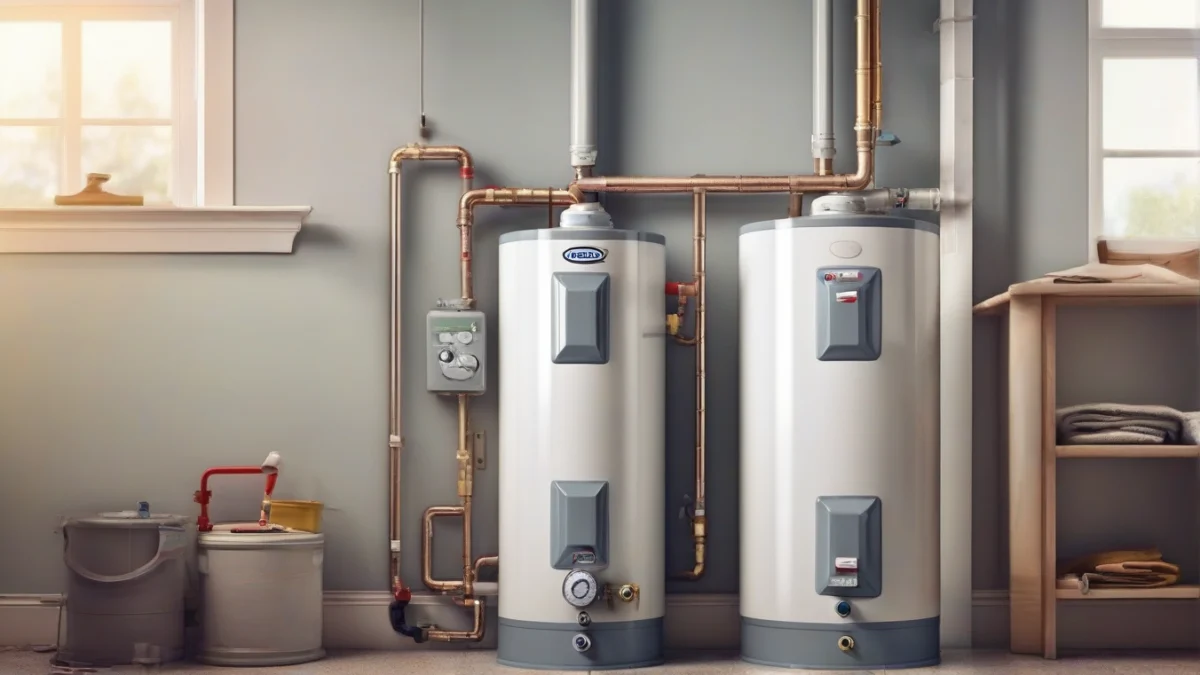
An insta hot water heater is usually a point-of-use electric tankless heater or hot-water dispenser that heats water on demand instead of storing it. An instant hot water heater can be great for a sink or shower branch line, but whole-home use depends on flow rate, incoming water temperature, and electrical service.
Say your kitchen sink is 25 feet from the water heater and you wait a minute for hot water every time you rinse dishes. A small point-of-use heater can fix that, while a whole-home tankless unit may be the wrong tool if the panel is already crowded.
The trick is knowing where the heat is made, how fast it can move, and how much power or gas that takes. Some models are really instant dispensers for a sink; others are true tankless heaters meant for a shower line or several fixtures.
What to remember
A small instant heater helps most at one sink or one shower branch, not every fixture in the house.
Electric point-of-use units are cheap to install compared with full tank swaps, but they can draw serious amperage.
A tankless heater’s flow rate matters more than its marketing label; cold inlet water lowers the usable output.
Heat pump water heaters use less electricity in the right space, but they are a different animal from instant heaters.
If the unit is gas, venting and carbon monoxide safety come first; if it is electric, circuit sizing and clearance do.
Insta Hot Water Heater
An insta hot water heater is usually an on-demand heater or hot-water dispenser installed near a sink or other fixture instead of a storage tank. An instant hot water heater, instant shower water heater, or instantaneous water heater heats water as it flows, but many small models serve one fixture or branch line rather than the whole house.
This instant hot water heater provides on-demand hot water.
The name covers several different products, so the fixture and the expected flow matter more than the word “instant.” A sink dispenser sends a small amount of very hot water to a dedicated faucet, a point-of-use tankless heater warms water for one sink or branch, and a whole-home tankless unit is sized to supply several fixtures at once.
Type
What It Supplies
Typical Fit
Sink dispenser
A dedicated hot-water faucet
Drinking water, tea, cooking, or hand washing at one sink
Point-of-use tankless heater
One fixture or a limited branch
An under-sink bathroom, remote kitchen sink, or small shower branch
Whole-home tankless unit
Several fixtures, subject to its flow rating
A house with enough electrical or gas capacity and correctly sized plumbing
“Instant” describes how the water is heated; it doesn’t tell you how much water the unit can supply.
Performance depends on three numbers: flow rate in gallons per minute, incoming water temperature, and available electrical or gas capacity. Cold winter water needs more heating than mild-season water, and opening a second faucet divides the heater’s available output. A unit can produce hot water on demand and still disappoint if the shower demands more flow than the heater can raise to the selected temperature.
Myth
Every instant hot water heater can replace a household storage tank.
Fact
Many are designed for one fixture or a limited branch. Whole-home service requires enough heating capacity for the target flow and enough electrical or gas service to run it; a compact under-sink unit is not a small version of a whole-home system.
Match The Heater To The Fixture
Start with the job: a sink dispenser is for a dedicated hot-water tap, a point-of-use tankless heater is for a nearby sink or limited branch, and a whole-home model must be sized around simultaneous fixtures. For a shower, check the heater’s temperature-rise and flow figures instead of relying on “instant” in the product name.
Useful for one nearby fixture
Tankless Water Heater Electric
Product 1 fits the point-of-use category: it is a 3,000 W, 110 V electric unit with an LED display, 1/2-inch NPT connections, ETL listing, and stated temperature rise at 0.3 or 0.5 GPM. Use its vertical installation requirement and electrical demand as checks before treating it as an under-sink option.
Say incoming water reaches a point-of-use heater at 55°F and the unit must deliver 115°F water. That is a 60°F temperature rise before the faucet’s flow is considered. A product rated for a stated rise at 0.3 GPM may suit one low-flow fixture, while opening another fixture can reduce the temperature or flow available at both.
Incoming water55°F
Target water115°F
Required rise60°F
First checkFlow rate and available capacity
In short
“Insta” means the heater works on demand, not that every model can heat unlimited water. Match the unit to one sink, a limited branch, or the whole home, then verify flow rate, inlet temperature, and electrical or gas capacity.
Where The Heat Goes
A water heater works by transferring heat into moving water, and the design decides whether that heat waits in a tank or arrives only when you open the tap. An inline water heater and an instant water heater usually mean the same thing: a compact heater installed in the water line that warms water as it flows. An instant hot water heater gas model uses a burner; an electric model uses heating elements, so the gas version needs proper venting and the electric version needs enough amperage for its load.
Type
What heats the water
What you notice
Tankless or inline heater
An element or burner turns on when water flow is detected.
Continuous hot water, limited by flow rate and heater capacity.
Instant hot water dispenser
A small electric reservoir stays hot near one faucet.
Very short wait at that faucet, with a limited supply.
Storage water heater
A larger tank heats and stores water in advance.
Hot water is ready until the stored supply runs low.
The names overlap, but the water path and heat source still matter.
A tankless unit only heats while water moves through its heat exchanger. Open the shower valve and a flow sensor starts the burner or heating elements; close the valve and heating stops. That avoids reheating a large tank during long idle periods, but the unit still has a minimum flow requirement and a maximum gallons-per-minute rating. A high-demand shower can outrun a small point-of-use heater. For a closer look at the basic sequence, see how a water heater works.
4.17 GPM
Example electric tankless flow rating
One 18 kW on-demand unit is rated for up to 4.17 gallons per minute and may supply two or three fixtures simultaneously under suitable conditions. Actual performance changes with incoming water temperature and the temperature you select.
A dispenser behaves differently because it keeps a small reservoir hot all the time. Turn the dedicated faucet, and that stored water arrives almost immediately; fresh water then enters the reservoir and gets reheated. The short pipe run matters too: placing the heater under the sink means less cooled water sits in the line, so you wait less and send less usable water down the drain. A remote heater can make the word instant do rather a lot of work.
Gas and electric units also send their demands in different directions. Gas tankless heaters need a correctly sized vent and combustion-air arrangement because the burner produces exhaust. Electric tankless heaters avoid combustion exhaust, but their heating elements can require substantial circuit capacity; the breaker, wiring, voltage and available service must match the manufacturer’s installation instructions. A plug-in dispenser is a much smaller electrical job, though its outlet still needs to be properly grounded and suitable for the appliance.
Useful Products For Small Hot-Water Jobs
These compact heaters only make sense where a point-of-use unit can handle the flow and your electrical service supports it.
Under-sink hot water
xwdzswgs 3,000W 110V Tankless Heater
Product 1 fits a small sink branch line because its compact wall-mounted body uses 1/2 inch NPT connections and shows the temperature on an LED display. Its listed heating performance is strongest at low flow, so don’t treat it as a whole-house replacement.
Product 2 is the better-shaped option for a cramped installation, with a compact wall-mounted design and stainless steel and ABS construction. IPX4 water protection, leakage protection and dry-boil protection add useful safeguards, but the same low-flow limits make it a point-of-use heater rather than a whole-home unit.
The ideal size depends first on how many fixtures need hot water at once: one sink usually wants a point-of-use heater, one shower needs a properly sized tankless unit, and a busy house often fits a storage or heat pump water heater better. Instant heaters can reduce standby losses, but they don’t automatically use less energy in every home.
Need
Best fit
Sizing guide
One sink or hand-washing station
Point-of-use tankless or instant dispenser
Size for that fixture’s flow; a dispenser is for a tap, not a shower.
One shower or remote bathroom
Tankless heater or mini-tank
Match the heater’s flow rate to the shower and incoming water temperature.
Several fixtures at once
Whole-home tankless, storage tank, or heat pump water heater
Size for the combined peak demand and the home’s electrical or gas service.
Small cabin, RV hookup, or camping setup
Compact point-of-use heater only when the supply matches
Check voltage, available amperage, water pressure, drainage, and the manual’s approved use.
Capacity means stored gallons for a tank heater and gallons per minute for a tankless model.
Tankless sizing revolves around flow rate, measured in gallons per minute (GPM), and temperature rise. Add the fixtures you may run together: a 2.0 GPM shower plus a 0.5 GPM sink requires about 2.5 GPM before the heater raises the water to the chosen temperature. A heater that delivers only 0.3 to 0.5 GPM may suit a hand-washing sink, but it won’t make a satisfying shower supply.
Worked Example
Say two showers could run together at 2.0 GPM each. The tankless heater must handle about 4.0 GPM at the required temperature rise, not merely advertise a large wattage number. Cold winter inlet water makes that job harder, so compare the manufacturer’s GPM chart for your incoming temperature rather than choosing by the label alone.
Two showers2.0 GPM each
Combined demandAbout 4.0 GPM
Sizing checkGPM at the required temperature rise
A mini-tank keeps a small reserve near the fixture, so it’s useful when a sink is far from the main water heater or demand is brief and predictable. A heat pump water heater belongs in the storage-tank category: it replaces a conventional tank for household hot water, rather than serving as an instant under-sink dispenser. It needs an indoor space between 40°F and 90°F with about 1,000 cubic feet of air space, so a cramped cabinet is usually the wrong home.
Energy savings vary
Instant electric models can avoid the standby heat loss of a tank when the tap is off, especially at a lightly used sink. Their heating element still draws substantial power while water flows, and a heat pump water heater may use less energy over the day in a suitable home. Usage pattern, incoming water temperature, insulation, and the heater type decide the result.
1
Count simultaneous fixtures
Write down the shower, sink, dishwasher, or other fixtures that might run together. Add their GPM instead of sizing from the number of bedrooms.
2
Choose the right category
Use point-of-use for one fixture, mini-tank for a small local reserve, tankless for a measured flow demand, and a heat pump for whole-home storage replacement.
3
Check the power supply
A compact electric heater still needs the electrical circuit specified by its manual. A 110V, 3,000W unit draws about 27.3 amps, so a normal 15-amp receptacle cannot support it.
Useful for one remote fixture
110V Tankless Water Heater Electric
Product 2 fits a compact under-sink, bathroom, RV hookup, or camping setup only when the site’s electrical supply, plumbing, and installation instructions support its 110V, 3,000W load; it’s a poor choice for several household fixtures at once.
RV and portable use makes sense at a serviced campsite or fixed hookup where power, water pressure, drainage, and mounting are available. It doesn’t make sense for a 12V battery, an unvented tent, or a vehicle cabin, and a portable label doesn’t erase the need to prevent water leaks and electrical overloads.
From HeaterGuides · our own guidePages 9 to 13 are the fault flowcharts: no hot water, noises, smells and leaks, in order.Water Heater Owner's ToolkitFix the common faults yourself, keep it running for years, and know when a repair is money wasted.No-hot-water flowcharts, gas and electricFlush, anode, relief valve and descaling stepsRepair-or-replace calculator (Excel)$14.99$9.99Get it for $9.99See what's inside and watch the 2-minute video →18-page printable PDF + Excel calculator · instant download · 30-day refund
Installation And Compatibility
Water heater installation is DIY-friendly only for simple mounting and plumbing work; gas connections, venting, 240 V wiring, and T&P discharge lines need a licensed plumber or electrician in most places. An installing tankless hot water heater project starts with the supply voltage, available panel capacity, water connections, and the heater’s listed clearances—not with drilling the first hole.
Professional installation ensures safety and compliance with local codes.
1
Match the electrical supply
A 110 V point-of-use heater can fit near a sink, but its wattage still matters. A 3,000 W, 110 V unit draws about 27.3 A at full output (3,000 ÷ 110), so don’t assume the existing receptacle or breaker can handle it. A whole-home electric tankless heater commonly needs 240 V service and a dedicated circuit; confirm the heater’s required breaker and wire size from its nameplate and installation manual. An electrician should check panel capacity, conductor size, grounding, and local code before you buy.
2
Check the water path
Shut off the cold-water supply and confirm the inlet and outlet direction before cutting pipe. Compact electric units often use standard 1/2-inch NPT connections, with the cold inlet and hot outlet identified on the case. Add accessible shutoff valves, use the specified sealing method, and flush debris from new or modified lines so grit doesn’t reach the heating chamber. A filtration system can be installed upstream when the heater and filter are compatible.
3
Mount it the way listed
Under-sink installation keeps the hot-water run short, which cuts waiting at that fixture. Leave the clearances and service access required by the manual, protect the unit from leaks, and mount it where a small plumbing failure won’t soak electrical parts. Some compact heaters are vertical-only; turning one on its side can put the heating elements and sensors in the wrong position.
4
Match the heater to the existing system
A point-of-use heater can serve one sink or a short branch line, while a whole-home tankless unit must match the hot-water demand and incoming water conditions. Decide whether the new heater replaces the storage tank, supplements a distant fixture, or feeds one branch; piping it into the wrong location can leave you with lukewarm water and an impressively busy plumber. A licensed professional should design any series or parallel connection with an existing heater.
5
Treat gas and pressure work as pro work
Gas tankless installation requires an approved gas connection, correctly sized venting, and adequate combustion air. A gas unit cannot share an improvised flue or draw combustion air from a sealed space. If the plumbing system has a check valve, pressure-reducing valve, or other closed-system device, an expansion tank may be required; its size, air charge, and connection point follow the heater instructions and local code. Never install or adjust that assembly by guesswork.
Useful for a single under-sink branch
Tankless Water Heater Electric
Product 1 suits a small point-of-use installation when your electrician confirms the 110 V circuit can support its 3,000 W load; its wall-mount holes, 1/2-inch NPT connections, ETL listing, and vertical-only mounting rule make the compatibility checks easy to find before installation.
Gas connections, gas venting, combustion-air changes, 240 V electrical work, and T&P valve discharge piping are licensed-pro jobs in most places. Never cap, plug, or reroute a T&P discharge line; it is the safety path for excessive tank pressure or temperature. Follow the manufacturer’s clearance and installation instructions even when local code appears less demanding.
Before you schedule the install
Heater voltage, wattage, required breaker, and wire size confirmed from the nameplate
Panel has room and capacity for the required dedicated circuit
Cold inlet and hot outlet match the planned pipe route and fixture
Mounting orientation, service clearance, and leak protection checked
Gas venting and combustion-air plan approved for gas equipment
Expansion-tank requirement checked for a closed plumbing system
Local permit, inspection, and licensed-trade requirements confirmed
Myth
A tankless heater is automatically a simple swap because it has no storage tank.
Fact
Removing the tank is only one part of the job. Electric models may need new wiring, gas models need venting and combustion air, and every model needs compatible flow, pipe connections, clearances, and service access.
Running Cost And Efficiency
For an instant hot water heater for a shower, the bill depends on flow rate, incoming-water temperature, and how long the heater runs; an instant hot water heater gas model adds fuel price and venting losses to that calculation. If you’re comparing the best instant hot water heater condensing type, a condensing gas tankless unit usually uses fuel more efficiently than a non-condensing gas model because it captures some heat from its exhaust, but it also needs the right venting and installation. Heat pump water heaters efficiency is often better than resistance electric heating because the compressor moves heat instead of making all of it with an electric element.
1.5 kWh
Energy used by a 1,500 W heater in 1 hour
Divide 1,500 watts by 1,000, then multiply by 1 hour. At $0.17 per kWh, that hour costs about $0.26.
Electric running cost follows a simple formula: watts ÷ 1,000 × hours run × your price per kWh. A 1,500 W heater running for 1 hour uses 1.5 kWh; at $0.17 per kWh, 1.5 × $0.17 equals about $0.26. The number of hours matters more than the word instant, which is doing rather a lot of marketing work.
Heater
Watts
Per hour
Per day (1 h)
Per month (30 days)
1,500 W electric heater
1,500 W
26¢
26¢
$7.65
Calculated at 17¢ per kWh. Assumes 1 hour of full-power operation per day and an electricity rate of $0.17 per kWh; actual use changes with flow, temperature rise, and cycling.
Heater type
How energy use behaves
Cost logic
Good fit
Point-of-use electric
Heats water only while the tap runs and avoids long hot-water pipe runs.
One sink, hand-washing station, or a short branch line.
Electric tankless
Avoids tank standby loss but can draw substantial power during a shower.
Use the nameplate wattage and actual run time; a higher flow or colder inlet can increase both.
A properly sized shower or limited fixture group.
Gas tankless
Burns fuel on demand, so there is little tank standby loss.
Use the heater’s fuel input or burn rate × hours × gas price; include pilot, venting, and service considerations where applicable.
Homes with suitable gas service and demand beyond a small under-sink unit.
Mini-tank electric
Stores a small volume, so it uses energy to maintain temperature between uses.
Cost depends on both standby hours and reheating cycles.
A nearby sink where a full tankless installation isn’t practical.
Heat pump water heater
Uses a compressor to move heat into stored water, with electric resistance backup available.
Usually uses less electricity than resistance heating, but performance and backup use vary with room conditions and demand.
Households wanting lower electric use over repeated daily heating.
The cheapest operation depends on the whole system, not only the heater’s label.
A point-of-use electric heater can waste less energy between uses because it doesn’t heat a long pipe or maintain a tank. That advantage is strongest at a remote sink with short, occasional draws. A heat pump water heater can still use less total electricity for a household’s regular hot-water demand, even though it stores water, because moving heat takes less electricity than making heat with resistance elements.
Cold weather can narrow that gap temporarily: ENERGY STAR certified heat pump water heaters may switch to backup electric heating when conditions are colder, and resistance heat raises electricity use. Keep the unit in the required indoor temperature range and give it the air space its installation instructions call for; a cramped, cold location makes the efficiency claim harder to achieve.
Gas cost uses a different equation: fuel burn rate × hours of operation × your gas price. Use the input or consumption figure on the rating plate or manual rather than guessing from the BTU label alone. A condensing gas tankless heater can make better use of that fuel, but a long hot-water run, high shower flow, or frequent hot-water use can still produce a larger bill than a small point-of-use heater.
Myth
An instant heater always saves the most energy because it has no tank.
Fact
No tank removes standby loss, but it doesn’t erase the energy needed to heat the water. A heat pump water heater may use less electricity for regular household demand, while a point-of-use electric unit may win for one distant sink with short, infrequent use.
Safety, Maintenance, And Troubleshooting
Descale an instant hot water heater by following its manual’s flush procedure, because mineral scale narrows the water path, reduces flow, and can make the outlet temperature wander. Shut off power and water first, isolate the heater if the design allows it, circulate only the manufacturer-approved descaling solution, then flush with clean water before restoring service. If the manual gives no procedure, call a plumber rather than pouring vinegar into a sealed unit and hoping for the best.
Digital thermostat controls are usually dependable when the control board stays dry and the heater remains free of scale, but no electronic control lasts forever. A blank display, repeated error code, temperature swings, or buttons that respond intermittently can point to a failed sensor, control board, wiring problem, or restricted flow. Reset the unit only as the manual directs; don’t keep cycling power to hide a fault.
Check Before Calling
Look for a tripped breaker, unplugged power cord, or closed water valve.
Confirm the inlet screen and faucet aerator aren’t clogged with sediment.
Compare the displayed temperature with the water at the tap using a thermometer.
Check for drips at fittings, the cabinet, and the discharge area.
Record the exact error code before switching the heater off.
Look for a UL, ETL, or CSA listing on an electric heater, and treat ENERGY STAR as an efficiency designation rather than a safety certification. NSF/ANSI certification matters when an instant hot water dispenser, faucet, tank, or filter contacts drinking water. A certification mark should appear on the product or its documentation, not only in a seller’s headline.
Myth
A tankless heater has no maintenance because it has no storage tank.
Fact
Hard water can leave scale on the heating element or heat exchanger even when there is no tank. Scale insulates the heat-transfer surface, restricts the passage, lowers flow, and may trigger over-temperature protection. A home with hard water may need more frequent flushing than the schedule printed for average water conditions.
Stop Here
Turn off the heater and call a qualified professional for a burning smell, scorched wiring, a leaking cabinet, repeated overheating, gas odor, a damaged flue, or a carbon monoxide alarm. Gas units need clear venting and a working CO alarm; never operate one indoors with a blocked or disconnected vent. Gas connections, vent repairs, and electrical work belong to a licensed plumber or electrician where local rules require it.
Maintenance usually means checking connections and safety devices, cleaning the inlet screen or aerator, flushing scale when the manual calls for it, and keeping the cabinet and vent clear. Expected life varies by water quality, duty cycle, installation, and parts support, so a manufacturer cannot honestly promise one lifespan for every instant heater. A slow loss of flow is often a service warning, not a reason to turn the thermostat higher.
What To Do Next
Start with the fixture you need to serve, then confirm the power, venting, and available space before shopping; that order keeps a small sink heater from being asked to impersonate a whole-house system.
1
Name the job
Choose sink, shower, or whole-home use. A point-of-use dispenser can suit one sink, while an instant water heater for a shower must deliver the shower’s flow without an uncomfortable temperature drop. For a shower-specific comparison, see this guide to a water heater with shower.
2
Measure the demand
Write down the required flow in gallons per minute and the coldest incoming-water temperature you expect in winter. Match the heater’s temperature rise and flow rating to that cold-month condition, not to a mild afternoon. Instantaneous sizing guidance uses those same two inputs: flow and temperature rise. instantaneous water-heater sizing guidance
3
Confirm the site
Check the circuit voltage and amperage, breaker space, pipe size, vent route for gas models, clearance, and room for service access. A heat pump water heater also needs an interior space between 40° and 90°F with about 1,000 cubic feet of air space.
4
Choose the right help
Shop after you have those measurements and the model’s installation manual. Search for “water heater installers near me” or “water heater installation near me,” then verify licensing and ask who handles permits, venting, gas work, or 240 V wiring. Hire a plumber or electrician before buying if the existing service cannot support the heater.
Questions People Ask
How much energy can be saved using an instant hot water heater?
The savings vary with your usage, water temperature, and heater type, so an instant electric unit doesn’t automatically beat every storage heater. A point-of-use heater can reduce standby and long pipe-run losses at a sink, while a heat pump water heater may use less electricity for a household’s full hot-water load. Compare measured energy use and operating conditions rather than assuming the tankless label settles it.
Are instant hot water heaters suitable for a shower?
Yes, but the heater must deliver enough flow and temperature rise for your shower at the coldest incoming-water temperature. A unit sized for one hand-washing sink may produce lukewarm water or reduced flow at a shower. Check the manufacturer’s gallons-per-minute chart and the circuit requirements before buying.
What size tankless water heater do I need for one bathroom?
Size the heater for the fixtures that may run together, not for the bathroom’s floor area. Add the shower’s flow rate to any sink or tub demand, then match that total to the heater’s output at your incoming-water temperature. A sizing chart for instantaneous water heaters can help you account for peak flow and temperature rise.
Can I install a gas water heater myself?
Gas connections and venting should be handled by a licensed plumber or other qualified professional, and local code may require permits or inspection. A safe installation needs the correct vent system, combustion air, shutoff, and discharge arrangements. Never operate a gas water heater without the required venting and a working carbon monoxide alarm.
How often should I descale an instant hot water heater?
Follow the manual’s flush schedule, because hard water can require more frequent descaling than treated water. Low flow, temperature swings, or a heater that takes longer to reach its setpoint are signs that mineral scale may be narrowing the heat exchanger. Shut off power before service and use only the cleaning procedure and solution the manufacturer allows.
Are heat pump water heaters more efficient than instant electric models?
A heat pump water heater can use less electricity for whole-home hot water because it moves heat into the tank instead of creating all of it with resistance elements. It needs an interior location between 40°F and 90°F with about 1,000 cubic feet of air space, and backup electric heat can raise consumption during colder months. An instant electric heater may still make more sense for a remote sink or a household that wants to avoid a storage tank.
Before you go · a welcome giftGet the Water Heater Owner's Toolkit for $4.99Fix the common faults yourself, keep it running for years, and know when a repair is money wasted. Normally $14.99; your welcome price saves $10.00. We'll email your link right now.or buy it now for $9.99 without the gift →One email with your link now. We never share your address.


 Water Heater Owner's ToolkitFix the common faults yourself, keep it running for years, and know when a repair is money wasted.No-hot-water flowcharts, gas and electricFlush, anode, relief valve and descaling stepsRepair-or-replace calculator (Excel)