

Incorporating heat pumps in commercial HVAC systems enhances energy efficiency, reduces operational costs, and provides effective heating and cooling solutions.
Heat pumps are transforming commercial HVAC systems with unmatched energy efficiency and sustainability. Unlike traditional systems, heat pumps provide both heating and cooling while slashing operational costs by up to 50%.
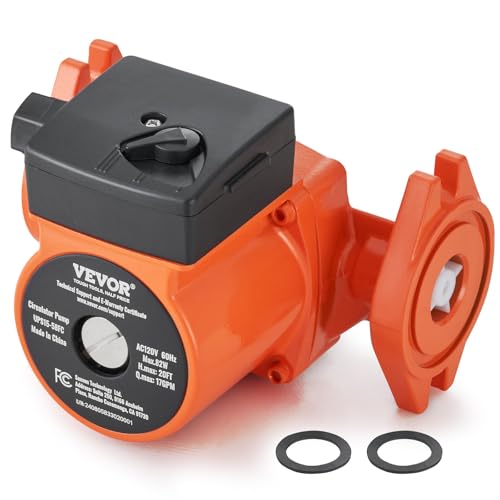
VEVOR
VEVOR UPS15-58FC 17 GPM Cast Iron Circulation…
- High Compatibility Design: Replacement part number: UPS15-58FC. Engineered specifically for underfloor heating systems, this cast…
- Built-In Check Valve: Designed to ensure water flows in the correct direction, our check valve avoids backflow, maintaining system…
- Low Noise Operation: Featuring a pure copper motor and unique internal design, our cast iron circulator pump operates at a maximum…
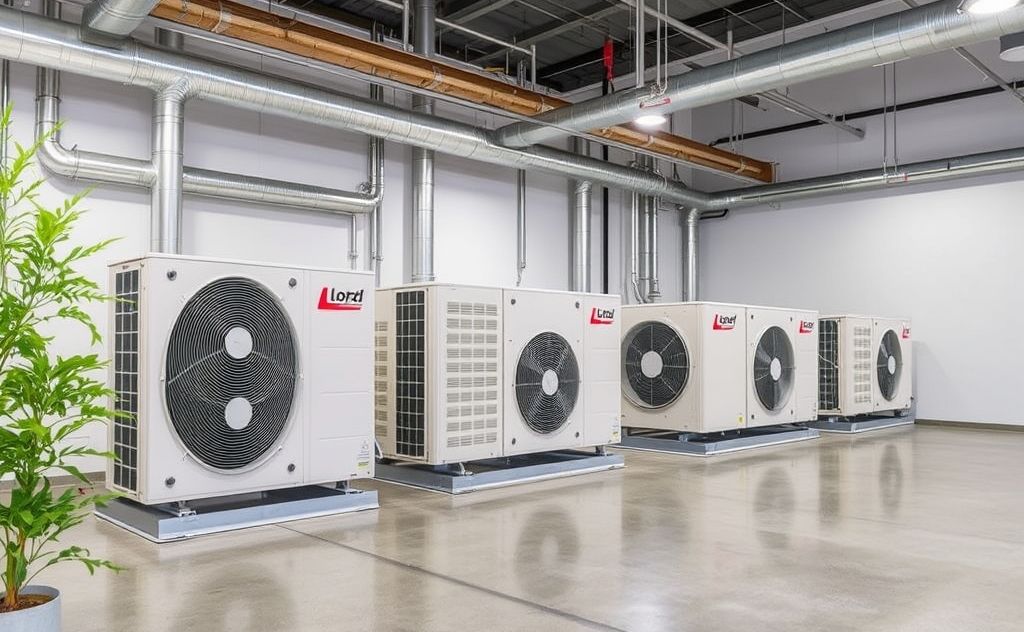
Why Heat Pumps Dominate Commercial HVAC
Modern heat pumps outperform conventional systems in three key areas:
- Energy efficiency ratings up to 400% (4:1 energy output ratio)
- Dual heating/cooling capability from one system
- Significantly lower carbon emissions
Heat Pump Efficiency Metrics Explained
Commercial heat pumps are measured by three critical performance indicators:
| Metric | Definition | Commercial Standard |
|---|---|---|
| SEER | Seasonal Energy Efficiency Ratio | 15.0+ |
| EER | Energy Efficiency Ratio | 12.0+ |
| HSPF | Heating Seasonal Performance Factor | 8.2+ |
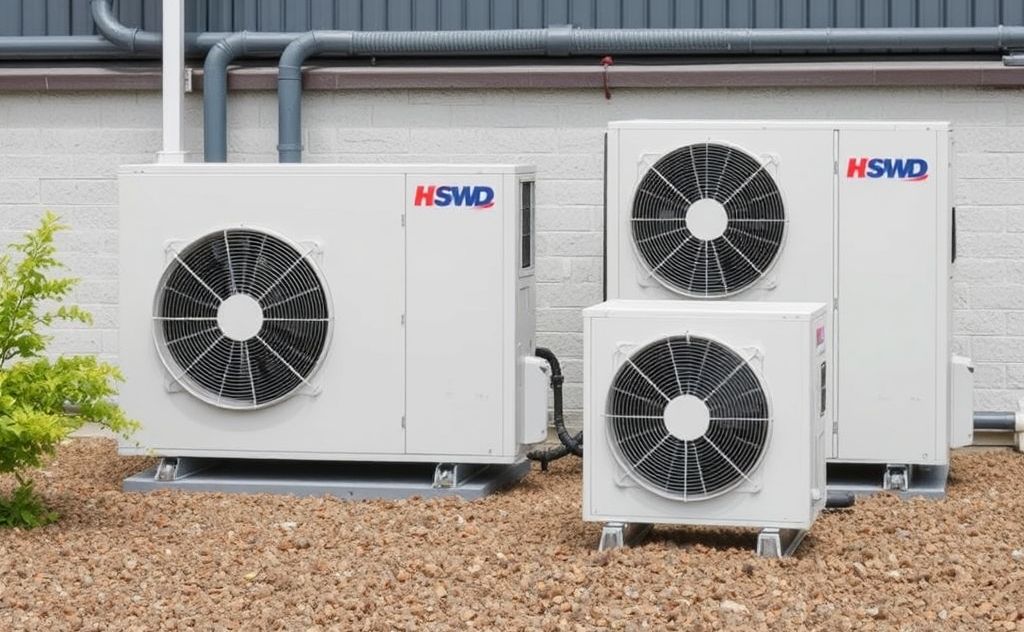
Commercial Heat Pump Types
Air-Source Heat Pumps
The most common commercial solution, air-source pumps offer:
- Lower upfront costs than geothermal
- Easy installation on rooftops or ground-level
- Ideal for retrofitting existing buildings
For optimal performance in commercial settings, consider built-in heating solutions that integrate seamlessly with heat pump technology.
Geothermal Heat Pumps
While requiring higher initial investment, geothermal systems deliver:
- 50-70% energy savings over conventional systems
- 25+ year lifespan (nearly double air-source units)
- Consistent performance in extreme climates
According to U.S. Department of Energy, geothermal systems achieve the highest efficiency ratings of any HVAC technology.
Implementation Strategies
New Construction vs Retrofits
Heat pump integration differs significantly between projects:
- New buildings: Design systems with proper zoning and ductwork
- Retrofits: Consider ductless options to minimize structural changes
- Hybrid systems: Combine heat pumps with existing boilers for transitional periods
Commercial Case Studies
Real-world examples demonstrate heat pump success:
- Office buildings reducing HVAC costs by 40-60%
- Apartment complexes cutting maintenance expenses
- Warehouses maintaining consistent temperatures with lower energy use
AAON’s next-generation heat pump technology shows how manufacturers are pushing efficiency boundaries with innovations like low-GWP refrigerants.
Financial Considerations
While heat pumps require careful financial planning, incentives improve ROI:
- Federal tax credits covering 30% of installation costs
- Utility company rebates for high-efficiency systems
- Accelerated depreciation through MACRS
Most commercial installations achieve payback in 3-7 years through energy savings alone.
Related pick: Check today's price on Amazon

I am a mechanical engineer and love doing research on different home and outdoor heating options. When I am not working, I love spending time with my family and friends. I also enjoy blogging about my findings and helping others to find the best heating options for their needs.
Related guides

How Heat Pumps Boost Efficiency in Hybrid HVAC Systems
Heat pumps enhance hybrid HVAC systems by providing efficient heating and cooling, utilizing renewable energy, and reducing energy…
How Heat Pumps Work: A Clear Look at the Refrigeration Cycle, Reversing Valve, and Real-World Costs
You've probably heard that a heat pump can heat and cool a house using less energy than a…
Heat Pump Troubleshooting: Fix Common HVAC Issues Fast
Check air filters, ensure proper thermostat settings, inspect outdoor units for debris, and verify refrigerant levels to troubleshoot…