

Incorporating green practices in HVAC cleaning involves using eco-friendly products, efficient techniques, and proper disposal methods to reduce environmental impact.
HVAC systems account for nearly 40% of commercial building energy use. By adopting green cleaning practices, businesses can reduce environmental impact while improving efficiency. This guide reveals practical strategies to transform your HVAC maintenance into an eco-friendly operation.
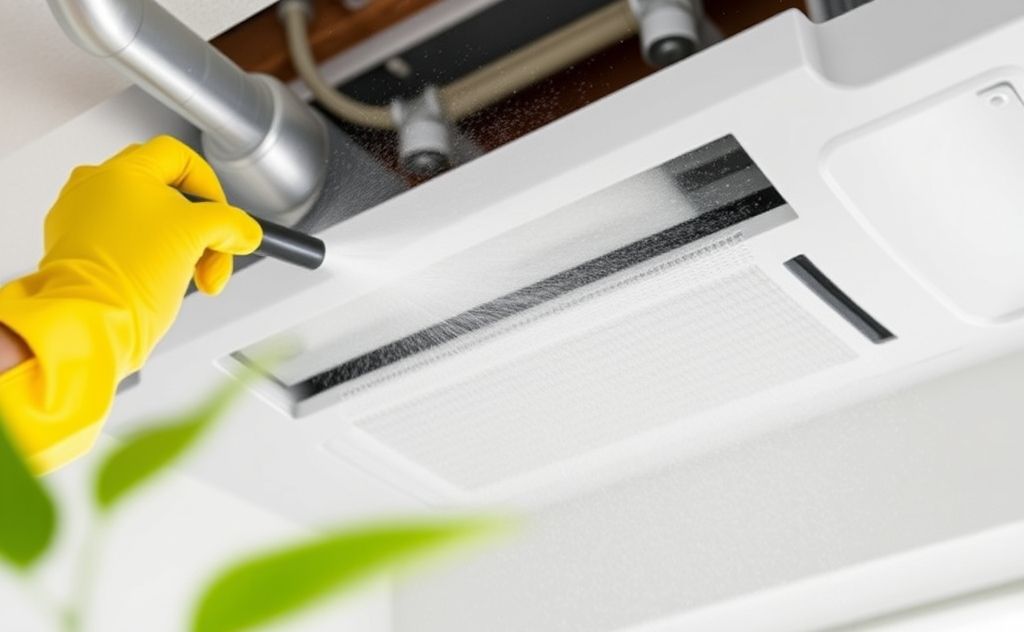
Why Green HVAC Cleaning Matters
Traditional HVAC cleaning often involves harsh chemicals and wasteful practices. Green alternatives protect both your equipment and the environment while delivering superior results.
The Environmental Cost of Conventional Methods
Standard HVAC cleaning contributes to:
- Chemical runoff contaminating water systems
- Excessive energy consumption from inefficient systems
- Landfill waste from disposable filters and parts
5 Essential Green HVAC Cleaning Practices
1. Use Plant-Based Cleaning Solutions
Replace chemical cleaners with biodegradable alternatives. Look for products with:
| Ingredient | Benefit |
|---|---|
| Citrus extracts | Powerful degreaser |
| Enzymes | Break down organic matter |
| Baking soda | Natural deodorizer |
2. Implement Water Conservation Techniques
HVAC cleaning typically uses 50-100 gallons of water per system. Reduce usage with:
- High-pressure, low-volume spray systems
- Dry ice blasting for duct cleaning
- Water recycling systems
3. Upgrade to Reusable Filters

Disposable filters create tons of waste annually. Reusable filters with electrostatic technology capture more particles while being washable. Pair with proper maintenance for optimal performance.
4. Adopt Energy-Efficient Equipment
Modern systems like high-efficiency gas heaters use 30-50% less energy. When cleaning, focus on components that impact efficiency:
- Coil cleaning improves heat transfer
- Duct sealing prevents air leaks
- Proper refrigerant levels maintain performance
5. Implement Smart Waste Management
Properly handle:
- Recyclable metal components
- Hazardous refrigerants (EPA-certified recovery)
- Filter media (specialty recycling programs)
The Business Case for Green HVAC Cleaning
Beyond environmental benefits, eco-friendly practices deliver:
Cost Savings
Energy Star reports green-maintained systems operate 15-20% more efficiently, saving thousands annually.
Improved Indoor Air Quality
Natural cleaners eliminate chemical residues that can circulate through ventilation systems.
Regulatory Compliance
Meet growing environmental regulations like the EPA’s Section 608 refrigerant management rules.
Green Cleaning in Action: Case Study
A Chicago office building implemented green HVAC practices with these results:
| Metric | Before | After |
|---|---|---|
| Energy Use | 1.2M kWh/year | 850k kWh/year |
| Maintenance Costs | $28,000 | $18,500 |
| Occupant Complaints | 32/month | 6/month |
Getting Started With Green HVAC Maintenance
Transitioning to eco-friendly practices requires planning:
Step 1: Audit Current Practices
Identify areas for improvement in chemical use, water consumption, and waste generation.
Step 2: Train Staff
Certify technicians in green cleaning methods through programs like GBI.
Step 3: Implement Gradually
Start with one green practice (like filter replacement) before expanding to full-system changes.
Step 4: Monitor Results
Track energy use, costs, and indoor air quality metrics to demonstrate ROI.
Related pick: Check price on Amazon

HeaterGuides covers home heating, water heating and HVAC: how the equipment works, what it costs to run, and how to use it safely.