HVAC Ventilation and Heat Recovery Systems Explained
On this page 7 sections
HVAC ventilation and heat recovery systems enhance indoor air quality and energy efficiency by reclaiming heat from exhaust air to precondition incoming fresh air.
HVAC ventilation with heat recovery systems provide energy-efficient air circulation while maintaining indoor comfort. These systems recover up to 95% of thermal energy that would otherwise be lost, making them essential for modern, airtight buildings.
How Heat Recovery Ventilation Works
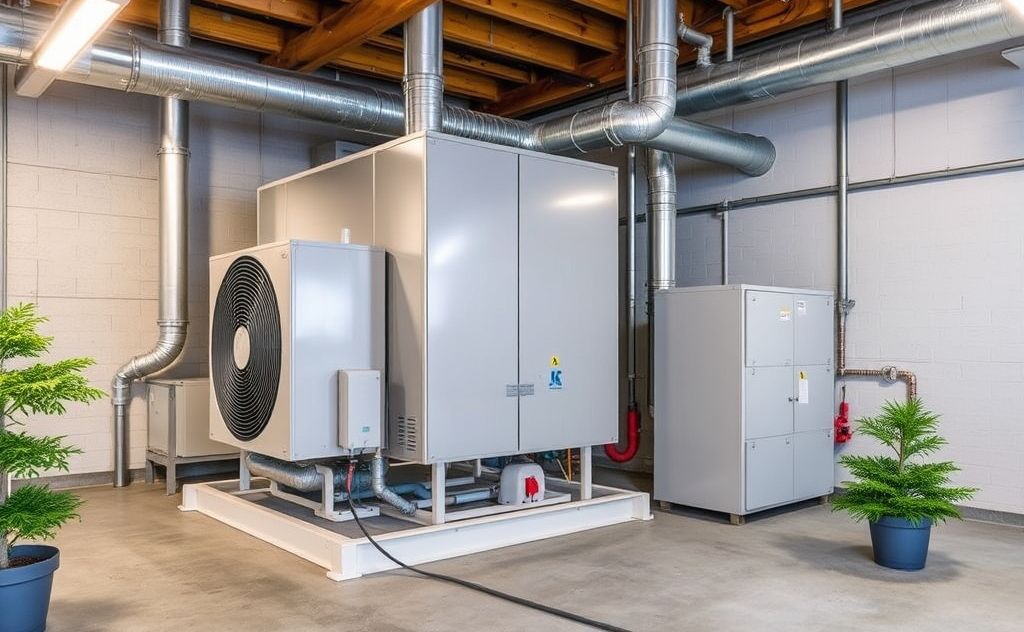
Heat recovery ventilation (HRV) and mechanical ventilation with heat recovery (MVHR) systems operate through a centralized unit connected to all rooms via ductwork. The system continuously exchanges stale indoor air with fresh outdoor air while transferring heat between the two airstreams.
Core Components
- Heat exchange core (typically aluminum or plastic)
- Supply and exhaust fans
- Ductwork network
- Room ventilation valves
- Filtration system
The Heat Transfer Process
- Stale warm air is extracted from wet rooms (kitchens, bathrooms)
- Fresh cold air is drawn from outside
- The two airstreams pass through the heat exchanger without mixing
- Up to 95% of heat transfers to incoming air
- Pre-warmed fresh air distributes throughout living spaces
Benefits of Heat Recovery Systems
Energy Efficiency
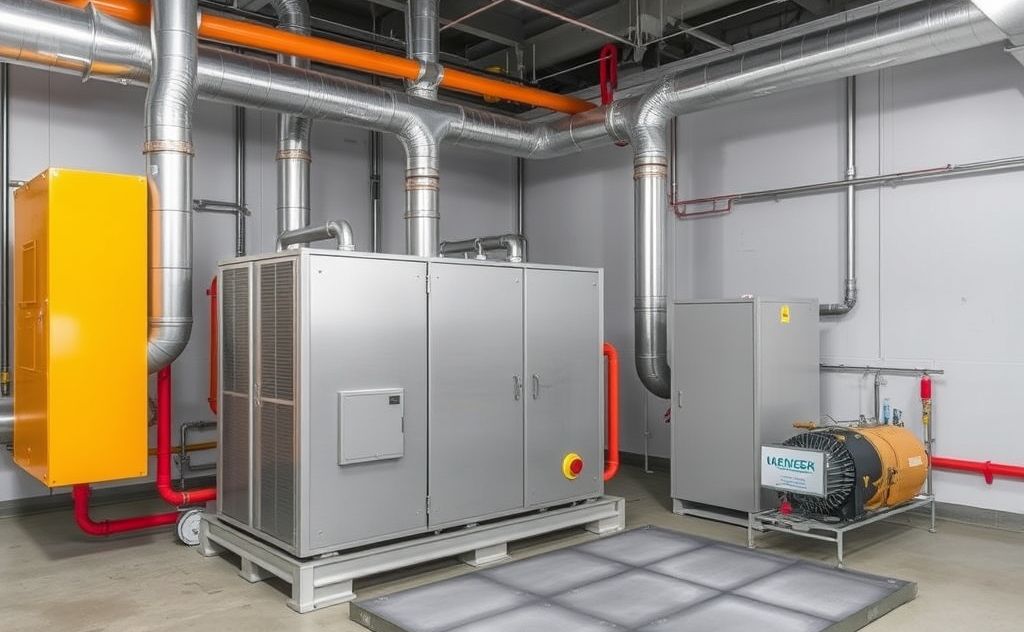
Modern systems can recover 60-95% of heat that would otherwise be lost. This translates to 20-30% reductions in heating costs for well-insulated homes. For commercial applications, consider commercial portable systems that combine heating and cooling.
Improved Indoor Air Quality
Continuous air exchange removes:
- Excess humidity (reducing mold risk)
- CO2 and other pollutants
- Cooking odors and VOCs
- Dust and allergens (filtered)
Year-Round Performance
Advanced systems can reverse operation in summer, pre-cooling incoming air. Some models integrate with solar-assisted systems for enhanced efficiency.
Types of Heat Recovery Systems
| Type | Heat Recovery | Moisture Recovery | Best For |
|---|---|---|---|
| HRV | Yes | No | Cooler climates |
| ERV | Yes | Yes | Humid climates |
| MVHR | Yes | Optional | Airtight buildings |
 Heating System Upgrade PlannerChoose between a heat pump, a furnace, a boiler or a hybrid with your own numbers, and hire the right installer.Every system compared side by side25 questions for contractors, red flagsRunning-cost, payback and quote calculator (Excel)
Installation Considerations
Location Requirements
The central unit typically installs in:
- Attics or roof spaces
- Plant rooms
- Utility areas
Ductwork Design
Proper sizing is crucial for:
- Balanced airflow
- Minimal pressure drop
- Quiet operation
Integration with HVAC
Heat recovery systems work alongside existing heating systems. For supplemental heating, consider wall-mounted convectors in specific zones.
Maintenance and Operation
Routine Care
- Filter replacement every 6-12 months
- Annual duct inspection
- Seasonal performance checks
Smart Controls
Modern systems feature:
- Automatic summer/winter mode switching
- Humidity and CO2 sensors
- Remote monitoring via apps
Costs and Savings
Initial Investment
Residential systems typically cost $1,500-$5,000 installed. Commercial systems scale with building size and complexity.
Payback Period
Energy savings typically provide payback in:
- 5-8 years in moderate climates
- 3-5 years in extreme climates
According to U.S. Department of Energy, properly installed ERV systems can reduce ventilation energy losses by 70-80%.
Applications
Residential
Ideal for:
- Passivhaus designs
- Retrofit energy upgrades
- Allergy-sensitive homes
Commercial
Essential for:
- Offices
- Schools
- Healthcare facilities
The ASHRAE Standard 62 specifies ventilation rates that heat recovery systems help achieve efficiently.
Related pick: Check price on Amazon