

To measure outdoor temperature, place the thermometer in a shaded area away from direct sunlight and wind for an accurate reading.
Getting precise outdoor temperature measurements requires more than just hanging a thermometer outside. Proper placement, maintenance, and understanding your device’s capabilities all impact accuracy. This guide covers everything from ideal mounting locations to advanced digital features.

Springfield
Taylor In/Out Round Dial Thermometer - 8.5…
- DESIGN: Thermometer constructed of weather resistant and shatterproof materials for increased durability during use.
- PRECISION MEASUREMENT: Factory calibrated to accurately measure temperatures from -60 degrees Fahrenheit to 120 degrees Fahrenheit…
- EASY TO USE: Bold black lettering with large numbers and a bright red pointer makes temperature readings easier.
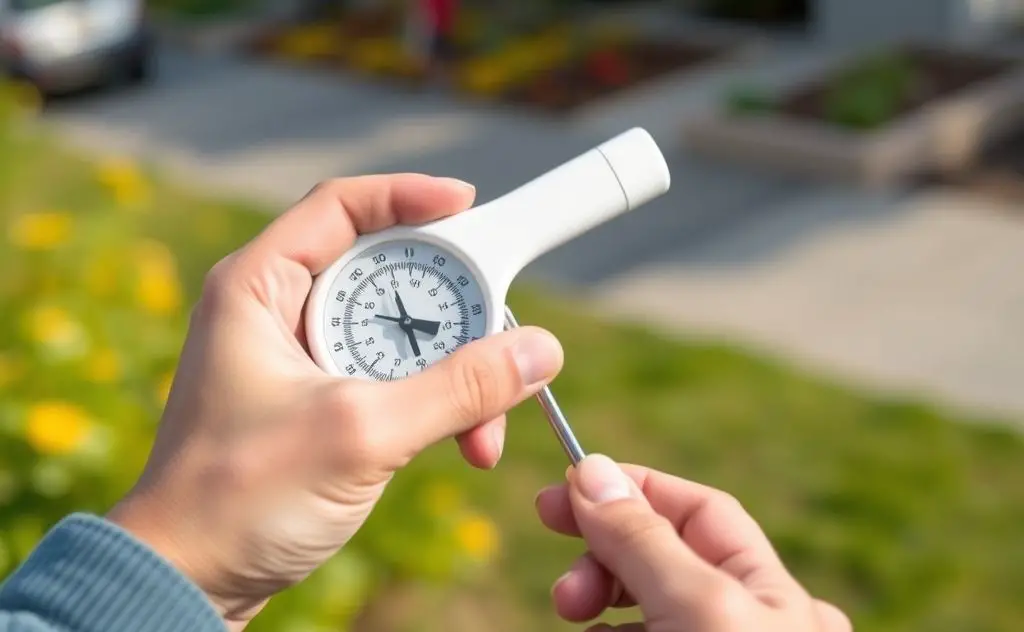
Choosing the Right Outdoor Thermometer
Selecting the proper thermometer is the first step toward accurate readings:
- Analog vs. digital: Traditional liquid-filled thermometers are reliable but lack features. Digital models offer remote monitoring and historical data.
- Wireless range: Many digital units like the AcuRite Digital Thermometer support sensors up to 330 feet away.
- Weather resistance: Look for waterproof ratings if placing sensors exposed to elements.
Specialized Thermometer Types
| Type | Best For | Accuracy |
|---|---|---|
| Bimetallic | Basic temperature checks | ±2°F |
| Infrared | Instant surface readings | ±1°F |
| Thermocouple | Scientific applications | ±0.5°F |
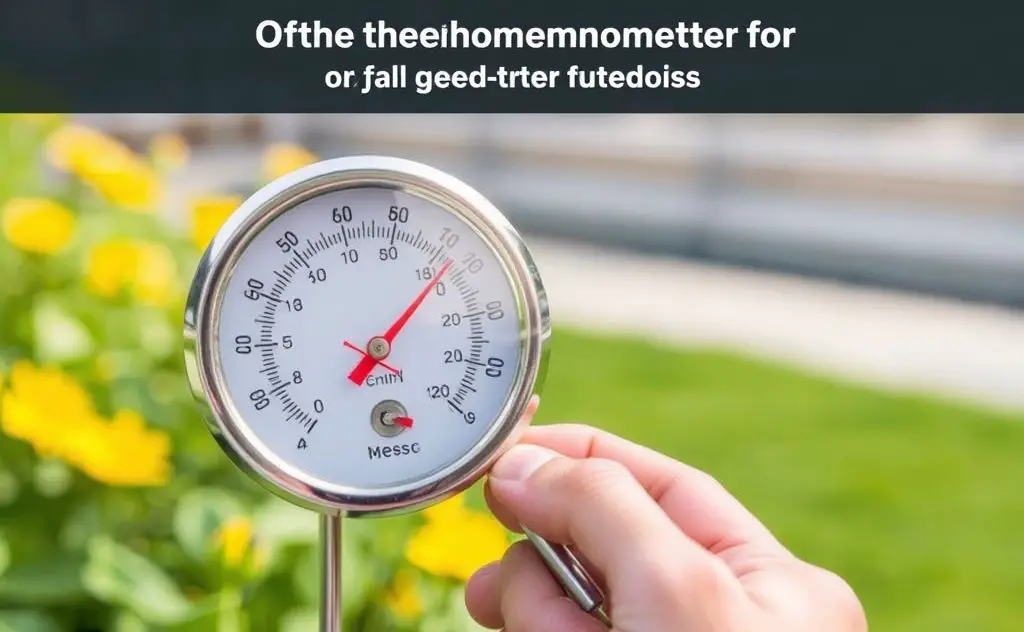
Optimal Thermometer Placement
Where you position your thermometer dramatically affects readings. Follow these guidelines:
Height Requirements
Mount sensors 4-6 feet above ground. This elevation:
- Avoids ground radiation effects
- Minimizes radiative cooling
- Matches official weather station standards
Sun Protection
Always place thermometers in shaded areas. Direct sunlight can cause errors up to 15°F. Consider:
- North-facing walls (in northern hemisphere)
- Under eaves or porches
- In a properly ventilated shelter
Avoiding Heat Sources
Keep sensors at least 15 feet from:
- HVAC vents
- Grills or outdoor kitchens
- Paved surfaces (asphalt radiates heat)
- Windows reflecting sunlight
Installation Best Practices
Mounting Methods
Secure your thermometer properly:
- Use white-painted wood posts to minimize heat absorption
- Mount on freestanding poles rather than house walls
- Ensure adequate airflow around the sensor
Weatherproofing
Protect your investment:
- Apply silicone sealant to digital sensor seams
- Use radiation shields in sunny climates
- Consider protective enclosures for harsh environments
Maintaining Accuracy
Calibration Techniques
Verify your thermometer’s precision:
- Compare with a known-accurate reference thermometer
- Use ice water (32°F/0°C) and boiling water (212°F/100°C) tests
- Adjust digital models per manufacturer instructions
Seasonal Adjustments
Adapt to changing conditions:
- Clear snow accumulation from sensors
- Check for spider webs in shelters
- Replace batteries before winter (lithium recommended for cold)
Advanced Features of Digital Thermometers
Modern units offer capabilities beyond basic temperature:
- Multi-sensor systems: Monitor multiple locations simultaneously
- Historical tracking: Record high/low temperatures over time
- Smart connectivity: Receive alerts and view data remotely
- Weather forecasting: Some models predict conditions based on trends
For specialized applications like pool temperature monitoring, consider solar-powered pool heaters with integrated thermostats.
Troubleshooting Common Issues
Inconsistent Readings
If temperatures fluctuate abnormally:
- Check for nearby heat sources
- Verify proper ventilation
- Replace old batteries in digital units
Wireless Connection Problems
For digital models with connectivity issues:
- Reduce distance between display and sensor
- Remove potential interference (metal objects, electronics)
- Reposition antenna if equipped
By following these guidelines and regularly maintaining your equipment, you’ll achieve professional-grade temperature measurements for gardening, weather tracking, or simply deciding when to wear a jacket.
Related pick: Check today's price on Amazon

I am a mechanical engineer and love doing research on different home and outdoor heating options. When I am not working, I love spending time with my family and friends. I also enjoy blogging about my findings and helping others to find the best heating options for their needs.
Related guides

How to Read a Forehead Thermometer Correctly
You just took your child's temperature and it read 99.8°F. You wait thirty seconds, try again, and now…
What Is a Maximum Minimum Thermometer Used For?
Ever wondered what the highest and lowest temperatures were in your garden last night? Or perhaps you need…

How Digital Thermometers Work: The Science Behind Accurate Readings
You've probably stood there, holding a thermometer against your kid's forehead, wondering if that beep actually means something.…