

To properly store and dry firewood, stack it off the ground in a sunny, well-ventilated area, covered on top to protect from rain while allowing airflow.
Proper firewood storage and drying techniques make the difference between a roaring fire and a smoky, inefficient burn. Follow these expert methods to keep your wood dry, pest-free, and ready to heat your home.

KoleSummit
KoleSummit Mini Fire Stick with Fire Starters…
- Premium Kiln Dried Pine Mini Fire Sticks: Crafted from natural, bark-free premium pine, our kiln dried mini firewood sticks (under…
- Low Smoke & Long Burning Clean Fuel: Experience significantly reduced smoke and sparks. Our small barkless kindling logs burn clea…
- Perfectly Sized Fire Pit Accessories: Each 4-inch Mini Fire Stick fits effortlessly. Our compact 8 lb box (643 cu in) is easy to s…
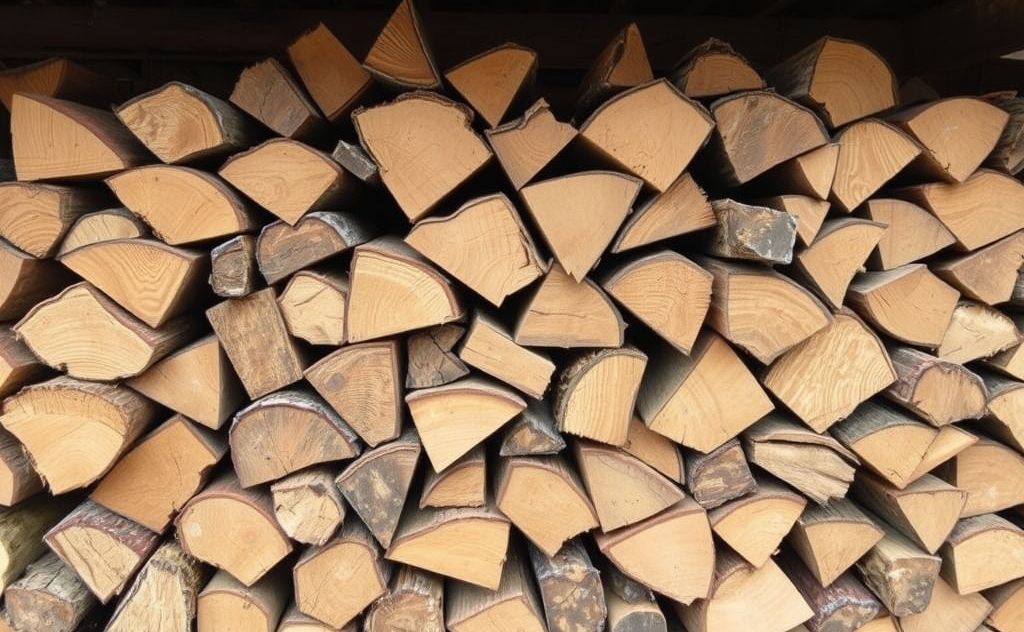
Choosing The Right Firewood Storage Location
Where you store firewood impacts drying time, pest control, and safety. Follow these guidelines for optimal placement:
Outdoor Storage Best Practices
- Keep wood piles at least 30 feet from your home’s foundation
- Choose a sunny, elevated spot with good airflow
- Avoid dense tree cover that traps moisture
- Position stacks perpendicular to prevailing winds
Indoor Storage Considerations
Only kiln-dried wood should come indoors. Green or seasoned wood brings pests inside. For indoor storage:
- Use a ventilated wood rack near your indoor wood heater
- Keep at least 3 feet from heat sources
- Store only 1-2 week’s supply indoors at a time
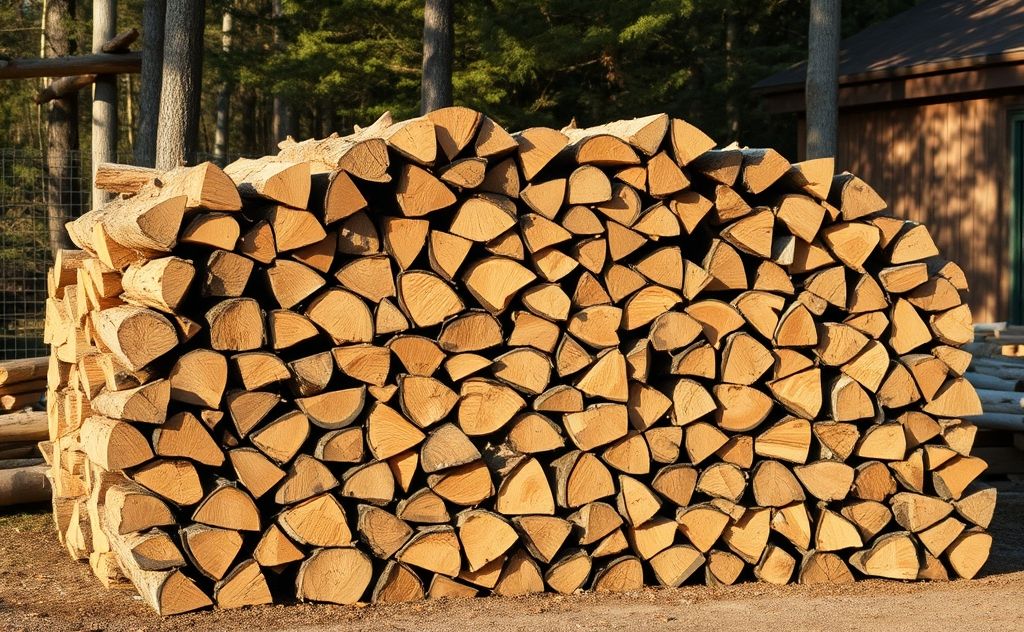
Proper Firewood Stacking Techniques
How you stack wood determines drying speed and protection:
| Stacking Method | Benefits | Best For |
|---|---|---|
| Single row | Maximum airflow | Initial drying |
| Holzhausen (round stack) | Self-supporting | Long-term storage |
| Criss-cross ends | Stability | High wind areas |
Essential Stacking Tips
- Always use a base layer of pallets or 2x4s
- Leave 1-2 inch gaps between logs
- Alternate log directions every few layers
- Keep stacks under 4 feet tall for stability
Firewood Covering And Protection
Proper covering balances moisture protection with airflow:
Top Covering Only
Use metal roofing, plywood, or weather-resistant covers to protect just the top 12 inches of your stack. Never wrap entire stacks in plastic.
Seasonal Protection
- Summer: Cover only during heavy rains
- Fall: Install permanent top cover
- Winter: Brush snow off stacks weekly
- Spring: Remove covers for maximum drying
Drying Times By Wood Type
According to US Forest Service research, drying times vary significantly:
- Softwoods (pine, fir): 6-12 months drying time
- Medium-density (maple, cherry): 12-18 months
- Hardwoods (oak, hickory): 18-24 months
Moisture Content Monitoring
Use these methods to check firewood readiness:
Simple Field Tests
- Bark test: Loose, peeling bark indicates dryness
- Sound test: Dry wood makes a clear “clink” when struck
- Weight test: Dry wood weighs 30-50% less than green
Using A Moisture Meter
For precise measurements:
- Split a log and test the freshly exposed surface
- Measure multiple pieces from different stack locations
- Target below 20% moisture for optimal burning
Pest Prevention Strategies
Keep your firewood pest-free with these methods:
- Rotate stock – use oldest wood first
- Inspect each piece before bringing indoors
- Consider pest-resistant storage solutions
- Never treat wood with chemical pesticides
The University of Kentucky Entomology Department recommends storing only what you’ll use in 1-2 weeks indoors to prevent pest migration.
Special Considerations For Heating Systems
Different heating equipment has unique requirements:
Wood Stoves
Requires fully seasoned wood (under 20% moisture) to prevent creosote buildup.
Outdoor Boilers
Can tolerate slightly higher moisture content (up to 25%).
Fireplaces
Need extra-dry wood (under 15%) for clean burning and good draft.
Related pick: Check today's price on Amazon

I am a mechanical engineer and love doing research on different home and outdoor heating options. When I am not working, I love spending time with my family and friends. I also enjoy blogging about my findings and helping others to find the best heating options for their needs.
Related guides

7 Powerful Benefits of Wood Heating You Can’t Ignore
You wake up to a frosty bedroom, check the thermostat, and wince. That gas bill was already higher…
Top 5 Highest BTU Wood Pellet Stoves for Maximum Heat
The highest BTU output wood pellet stove typically exceeds 50,000 BTUs, providing efficient heating for large spaces with…

7 Major Disadvantages of Wood Heating You Should Know
The crackle of a wood fire sounds romantic. The smell of smoke on a cold evening feels primal.…
