

Walk into almost any living room and you’ll see the same thing: a radiator jutting out from the wall with a foot of dead air above it. Maybe there’s a dusty windowsill nearby, maybe nothing at all. That vertical real estate sits empty because most people assume it’s off-limits. It isn’t.
The truth is you can use that space safely and effectively. You just need to understand how heat rises, what materials work, and which accessories actually help instead of hurt. This article covers the specific clearance distances, product types, and placement rules that let you turn a boring radiator wall into something useful. No guesswork, no fire hazards, just solid information you can act on.
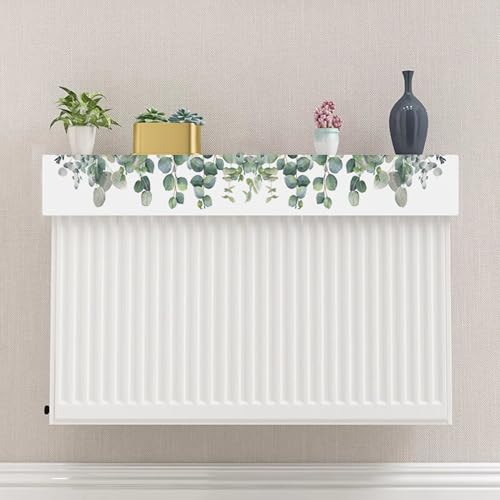
Altovexis
Altovexis Radiator Shelf Top Bracket Cover Small…
- Radiator rack:This modern radiator cover not only enhances the look of your living space but also provides a sleek, stylish way to…
- Multi-Purpose Radiator Shelf: Equipped with a sturdy top shelf, this radiator cover doubles as a functional storage or display are…
- Easy Installation: The modern radiator cover is designed with adequate ventilation slots, ensuring proper heat circulation. The ea…
One of the easiest ways to gain shelf space without drilling into your walls is a purpose-built radiator shelf. The Altovexis Radiator Shelf Top Bracket Cover sits on top of the radiator itself, so you don’t need to find studs or worry about wall anchors. It’s made of aluminum alloy, comes in white, and has ventilation slots designed to let warm air circulate while you place small plants, picture frames, or a phone on the shelf. No tools required for setup.
Why Radiator Clearance Matters More Than You Think
Radiators work by heating the air directly around them. That warm air rises naturally, pulls cooler air from the floor, and creates a convection loop. Block that flow and the room takes longer to warm up, your boiler runs longer, and your energy bill climbs.
The general rule is six inches of open space above the radiator for proper airflow. Some designers say three inches is acceptable for low-output radiators, but I’ve seen homeowners cut it too close. Stick to six inches if you can. For shelves that sit directly on the radiator, the shelf itself adds maybe an inch of clearance loss, but most purpose-built models like the Altovexis have slotted tops that let heat escape upward. That’s the key feature to look for: open slots or a raised back panel that doesn’t trap hot air.
If you’re replacing an old radiator or troubleshooting poor heat distribution, check out common radiator troubleshooting first before adding any shelf. A leaky valve or trapped air will make any space solution pointless.
Picking the Right Shelf: Three Options Compared
Not all radiator shelves are the same. Some clamp onto the brackets, some sit on top with rubber feet, and some are solid wood slabs that choke off airflow. Here’s what I’ve seen work and what doesn’t.
Floating shelf mounted above the radiator. This is the safest option for heat output because you maintain full clearance. Mount the shelf at least six to eight inches above the radiator top. Use wall anchors rated for at least twenty pounds. The downside is you need to drill into drywall or plaster, which might mean patching later. If you rent, that’s a dealbreaker.
Radiator top cover with shelf. These sit directly on the radiator. The Altovexis model is a good example. It adds about an inch to the radiator height but vents heat through slots. Weight capacity is modest—enough for a few framed photos or a small plant—but not for heavy books or a laptop running full load. The aluminum construction doesn’t get hot enough to damage most items, but avoid anything heat-sensitive like candles or electronics with batteries.
DIY wooden shelf on brackets clamped to radiator pipes. I’ve seen clever solutions using shelf brackets that hook onto the radiator side panels. These work if the radiator has exposed brackets. But they can scratch paint and might not fit all models. Heat rises behind the shelf, so you still get some airflow. Weight capacity depends on the bracket clamp strength—test it before trusting it with anything breakable.
| Type | Heat Impact | Installation | Max Load (approx) |
|---|---|---|---|
| Floating shelf above radiator | Minimal if 6+ inches clearance | Drilling required | 20–30 lbs |
| Radiator top cover shelf (slotted) | Moderate; slots allow some airflow | No tools, sits on radiator | 10–15 lbs |
| DIY bracket clamped to pipes | Low if shelf is raised 2+ inches above radiator | Requires measuring and adjustments | 5–10 lbs (bracket-dependent) |
One more thing: avoid solid wood shelves that cover the entire top of the radiator without gaps. They turn your heater into a giant warm footstool, but the room stays cold. Slotted or open-front designs are non-negotiable.
What to Put (and Not Put) on Your Radiator Shelf
Once you have a shelf, the temptation is to fill it. Resist that. The goal is to maximize space, not create a cluttered ledge that catches dust and blocks heat.
Good choices: ceramic or metal plant pots (with a saucer), small framed photos, a decorative bowl with keys, a single stack of coffee table books (no more than two inches thick). The Altovexis shelf can handle a small succulent in a 4-inch pot plus a 5×7 frame without issue.
Bad choices: anything flammable like paper, cloth, or candles. Avoid electronics that generate their own heat—a phone left on a radiator shelf can overcharge and get uncomfortably hot. Never put a laptop directly on a radiator cover, even a slotted one. The internal battery doesn’t like ambient warmth. Also skip humidifiers or water features; the rising hot air can cause condensation inside electronics.
If you’re using a floating shelf above the radiator, you gain more room. I’ve seen people place a row of trailing plants like pothos or string of pearls that hang down in front of the radiator. Looks great and doesn’t block heat as long as the leaves don’t touch the metal.
Other Ways to Reclaim Space Around a Radiator
Shelves are the main event, but there are smaller tricks that add up. Magnetic hooks attach to steel radiators (not cast iron) and can hold keys or a lightweight dish towel. Radiator side baskets—thin metal baskets that hang from the side panels—store remotes, magazines, or charging cables. These are especially useful in hallways where floor space is tight.
Painting a radiator to match the wall reduces its visual footprint. Use high-heat appliance paint (rated for at least 200°F) and apply two thin coats. This doesn’t create storage, but it makes the radiator less of an eyesore, so you feel less pressure to hide it behind furniture.
For homes with ducted central heating, the dynamics differ. Radiators are localized heat sources, so you can’t just stack stuff on them. If you’re curious about how ducted systems compare, this article on power usage of space heaters vs central heating explains the efficiency trade-offs.
Can I put a shelf directly on top of a radiator?
Yes, but only if the shelf is designed for that purpose and has ventilation slots or raised feet. A solid flat slab will trap heat. The Altovexis shelf and similar products work because they allow hot air to escape through the top. Measure your radiator width first; most shelves come in standard sizes like 19.6 inches or 24 inches. If the shelf overhangs more than an inch on each side, it may look off and shift easily.
Will covering a radiator reduce heating efficiency?
It can, if you block the airflow path. Tests show that a solid cover reduces heat output by 20–30% compared to an uncovered radiator. A slotted cover loses only about 5–10%, which most people don’t feel. For safety, never cover the top completely with a solid surface. Keep the front open or use a cover with large cutouts.
What materials are safe for radiator shelves?
Metal (aluminum, steel with powder coating), tempered glass with rubber spacers, and high-temperature-rated wood composites like MDF with a heat-resistant finish. Avoid untreated softwoods that can dry out and crack over time. The Altovexis is aluminum alloy, which conducts heat evenly and doesn’t warp. If you go the DIY route, use a heat-resistant paint rated for at least 180°F.
How much weight can a radiator shelf hold?
It depends on how it attaches. Top-mount shelves that rest on the radiator typically support 10–15 pounds. The Altovexis model is designed for light decorative items—don’t expect it to hold a stack of textbooks. Floating shelves anchored to the wall can hold 20–30 pounds if you use proper wall anchors and hit studs. Always check the manufacturer’s stated load capacity (the Altovexis lists its load-bearing capacity but you should confirm on the product page).
Can I install a radiator shelf without drilling?
Yes, if you choose a model that sits or clamps onto the radiator itself. The Altovexis requires no drilling—you just place it on top. Some magnetic shelves also attach without drilling, but they only work on steel radiators. For a no-drill floating shelf above the radiator, you’d need adhesive strips rated for the weight and heat, but I don’t recommend that because heat weakens the adhesive over time.
If you’re renting and worried about damaging walls, consider the extra costs of radiator replacement or modifications. This guide on costs of replacing a central heating radiator might help you decide whether to buy or ask permission first.
Quick Takeaways
- Leave at least six inches between the radiator top and any shelf above it for best heat flow.
- If you place a shelf directly on the radiator, choose one with ventilation slots—solid tops cut heat output by up to 30%.
- The Altovexis Radiator Shelf is a no-drill option for renters; load it with light decor only (under 15 lbs).
- Never put flammable items, electronics with batteries, or heat-generating devices on a radiator shelf.
- Magnetic hooks and side baskets add small storage without affecting room temperature.
- Paint an old radiator with heat-resistant paint to make it blend into the wall and feel less intrusive.
- Test your shelf setup during a heating cycle: if the room feels colder or the radiator surface gets excessively hot, remove items and increase clearance.

I am a mechanical engineer and love doing research on different home and outdoor heating options. When I am not working, I love spending time with my family and friends. I also enjoy blogging about my findings and helping others to find the best heating options for their needs.
Related guides

How To Bleed Air From A Radiator For Maximum Heat
You walk over to the radiator on a cold morning, twist the valve, and get a lukewarm trickle.…

Top Central Heating Radiator Design Trends for 2026
Current design trends for central heating radiators include sleek, minimalist styles, vertical designs, and innovative materials like aluminum…
How to Choose the Right Size Radiator for Your Home
Choosing the right central heating radiator is more than just picking a style you like. It's a balancing…
