

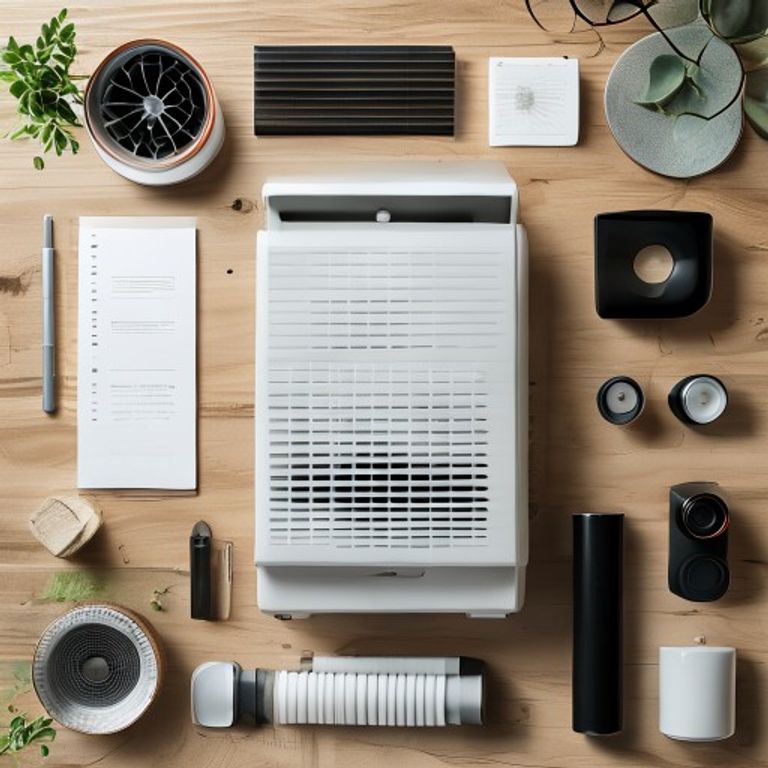
You walk into the living room expecting warmth, but the air feels lukewarm. The far bedroom is downright cold. Meanwhile your gas bill keeps climbing every winter. This mismatch between what you pay and what you feel is frustrating. It is also fixable.
Most ducted central heaters run at 60-75% of their potential efficiency because of simple airflow problems, duct leaks, and poor operating habits. You do not need a full system replacement to fix that. This guide walks through seven steps that require basic tools, maybe a weekend afternoon, and a few deliberate changes to how you run the system.

VIVOHOME
VIVOHOME Register Booster Fan - 4'' x…
SIZE 4×10 INCH: Compatible with vent sizes ranging from 9⁷⁄₈"−10⁵⁄₈" in length, 3⁷⁄₈″−5¹⁄₂″ in width, and more than 2'' in depth; Measure vent openings before purchasing; This household booster fan is easy to install on floors, walls, or ceiling
See on AmazonThe VIVOHOME Register Booster Fan (4” x 10” opening with adjustable louver) can solve the most common problem: weak airflow to a specific room. It sits over an existing vent and pushes more heated air into the space. The built-in thermostat turns the fan on or off based on your preset temperature, so it does not run when the room is already warm. With 10 adjustable speeds and a remote control, you can fine-tune the airflow without leaving the couch.
Step 1: Seal the Duct Leaks That Wreck Efficiency
Ductwork in most homes loses 20-30% of heated air through gaps at joints and connections. That is like heating the crawlspace or attic instead of your rooms. The fix is cheap and fast.
Check visible duct runs in your basement, attic, or crawlspace. Look for disconnected sections, holes, or gaps where two pieces meet. Use mastic sealant (the brush-on paste, not duct tape) to seal every joint. Wrap metal tape around the connection after mastic dries if you want double insurance. A roll of mastic costs under $20 and can cover a typical home’s leaks in one afternoon.
One specific number: sealing all accessible leaks can raise total system efficiency by 15-20% according to field tests by energy agencies. That translates to a noticeable drop in monthly heating bills.
Step 2: Insulate Ductwork in Unconditioned Spaces
Even sealed ducts lose heat through the metal walls when they run through cold attics or garages. The temperature difference between the heated air inside (130-150°F right at the furnace) and the 30°F attic causes rapid heat loss. Insulating those runs makes a real difference.
Use R-6 or R-8 duct wrap insulation (available at any home center). Wrap the duct completely, overlapping seams, and secure with zip ties or foil tape. Pay special attention to the first 10 feet of duct after the heater – that is where the air is hottest and loses the most heat. Insulating just that section can cut duct heat loss by half.
Step 3: Balance the Airflow with Dampers and a Booster Fan
Every ducted system has manual balancing dampers in the main trunks, usually near the heater. Most homeowners never touch them. If one room roasts while another freezes, the dampers are out of tune.
Try this: close the damper on the supply run to the over-warm room by half. Open the damper to the cold room fully. Wait an hour and feel the difference. Adjust in small increments.
When dampers alone cannot push enough air to a distant or problem room, a register booster fan is the practical solution. The VIVOHOME unit described earlier handles that role well. It fits standard 4×10 inch vents (measure your vent opening first; the compatible range is 9⅞ to 10⅝ inches long and 3⅞ to 5½ inches wide). It runs at under 18 dB on lower speeds, so it will not disturb sleep. You can set the thermostat so it kicks on only when the room needs heat, saving power.
One honest caveat: a booster fan will not fix a system that is undersized for your house. But if your heater is adequate and the problem is distribution, this step works.
Step 4: Change Your Filter Every 30 Days (Seriously)
A dirty filter is the number-one cause of reduced airflow in residential systems. A clogged filter can cut airflow by 30-50% and cause the heater to overheat, triggering a safety shutdown. That wastes cycling energy and shortens the unit’s life.
Use a filter with a MERV rating between 8 and 11. Higher ratings (MERV 13+) restrict airflow too much for most residential ducted heaters. Replace or clean the filter at the start of every month during heating season. Mark it on your phone calendar. Do not wait until it looks dirty – by that point airflow is already choked.
Step 5: Set the Thermostat Strategically
Many people set the thermostat to 72°F and leave it there all day. You can save 3-5% on heating costs for every degree you lower the setpoint over an 8-hour period. The trick is to use a programmable or smart thermostat to drop the temperature at night and during work hours, then bring it back up before you need it.
Set the night temperature to 65°F (or lower if you sleep cold). Set the daytime away temperature to 62°F. Program the recovery to start 30 minutes before you wake or return home. The heater works hardest when the temperature difference between indoors and outdoors is largest. Narrow that gap when you do not need full warmth.
Avoid setting back more than 5-7 degrees at once if you have a heat pump (not a gas furnace). Heat pumps lose efficiency with large temperature swings. For gas furnaces, the setback is fine.
Step 6: Clean the Supply Registers and Return Grilles
Dust and pet hair build up on the slats of supply registers and return grilles over months. That reduces free airflow. Pull off each register cover (they usually snap or screw off) and wash them in warm soapy water. Dry completely before reinstalling. Do this once per season.
Also check that furniture or rugs are not blocking any vents. A couch pushed against a register can cut airflow to that room by 90%. Rearrange furniture so vents have at least six inches of clearance on all sides.
Step 7: Get a Professional Annual Tune-Up
Your heater needs an inspection by an HVAC technician at least once per year. They check the heat exchanger for cracks (which can leak carbon monoxide), measure temperature rise across the unit, clean the burners, and verify that the blower motor is drawing proper amperage.
A tune-up typically costs $100-200 and can catch small problems before they turn into expensive repairs. Skip this step and you risk a mid-January breakdown.
| Method | Effectiveness | Cost | Time Required |
|---|---|---|---|
| Duct sealing with mastic | High (15-20% efficiency gain) | $20-40 | 2-3 hours |
| Duct insulation (first 10 ft) | Medium (10-15% reduction in duct loss) | $30-60 | 1 hour |
| Booster fan (e.g., VIVOHOME) | High for specific room | $30-60 (check current price) | 10 minutes install |
| Filter replacement monthly | High (prevents 30-50% airflow drop) | $5-15 per filter | 5 minutes |
| Thermostat setback (4-6°F) | Medium (3-5% savings per degree) | $0 (if already programmable) | 5 minutes setup |
Should I close vents in unused rooms to save energy?
No. Closing supply vents increases pressure in the ductwork, which forces air out through existing leaks and can damage the blower motor over time. Instead, partially close the balancing damper on that duct run if you have one. The system works best when all paths are open.
How often should I change the filter in my ducted heater?
Change a standard 1-inch fiberglass or pleated filter every 30 days during heavy use seasons. If you use a washable electrostatic filter, clean it every 30 days. A 4-inch media filter can go 3-6 months, but check monthly until you know the dirt load in your home.
Does a ducted central heater lose efficiency as it ages?
Yes, gradually. Most gas furnaces drop about 2-5% in efficiency over 10 years due to dirty heat exchangers, corroded burners, and blower wear. Annual maintenance slows that loss. The biggest hit comes from neglected ductwork – leaks and poor insulation worsen regardless of heater age.
What is the ideal thermostat temperature for winter?
68°F when you are home and awake. Drop to 65°F at night or when away. That balances comfort with energy use. Every degree above 68°F adds roughly 3% to your heating bill. If 68°F feels cold, wear a sweater inside before turning it up.
Can a booster fan damage my ducted heater?
Not if used correctly. A register booster fan like the VIVOHOME is designed to assist airflow, not restrict it. The included adjustable louvers and auto-swing feature let you direct airflow without blocking the duct. The built-in thermostat prevents it from running when the heater is off, so you will not create negative pressure. Just do not cover the return grille with any kind of fan.
What to Do Next
- Seal every visible duct joint with mastic this weekend – the biggest single efficiency gain.
- Insulate the first 10 feet of duct leaving the heater before November.
- Install a register booster fan in the coldest room that consistently underperforms.
- Change your filter at the start of each month; write it on a calendar.
- Set your thermostat to 68°F when home, 65°F at night – program it if you can.
- Move furniture at least six inches away from every supply register.
- Schedule an annual HVAC tune-up before heating season starts.
These steps do not require a contractor or a big budget. Most cost under $50 and take an hour or less. The exception is the booster fan – check the energy efficiency guide on our site for more detailed maintenance steps if you want to go further. For a deeper understanding of how your system works, read the ducted central heater works article. And do not forget the regular maintenance checklist to keep everything running all winter.

I am a mechanical engineer and love doing research on different home and outdoor heating options. When I am not working, I love spending time with my family and friends. I also enjoy blogging about my findings and helping others to find the best heating options for their needs.
Related guides

Expert Guide: How To Choose A Ducted Central Heating Pro
You paid for a new ducted central heating system. Crew showed up on time, ran the ducts, fired…
Key Specifications for Buying a Ducted Central Heater: What Actually Matters
You walk into a friend’s house on a January afternoon. Their home is evenly warm — no cold…
Ducted Central Heater Maintenance: Key Factors for Peak Performance
You walk into your home on a January evening. The thermostat reads sixty-two. The furnace has been running…