15 Proven Ways to Boost Heat Pump Performance in HVAC
On this page 5 sections
To improve heat pump performance in HVAC, regularly clean or replace filters, ensure proper insulation, and schedule annual professional maintenance checks.
Heat pumps are among the most efficient heating and cooling solutions available, but their performance depends on proper maintenance and operation. Whether you’re dealing with a new installation or an older system, these expert strategies will help maximize efficiency, extend equipment life, and reduce energy costs.
Optimal Temperature Settings
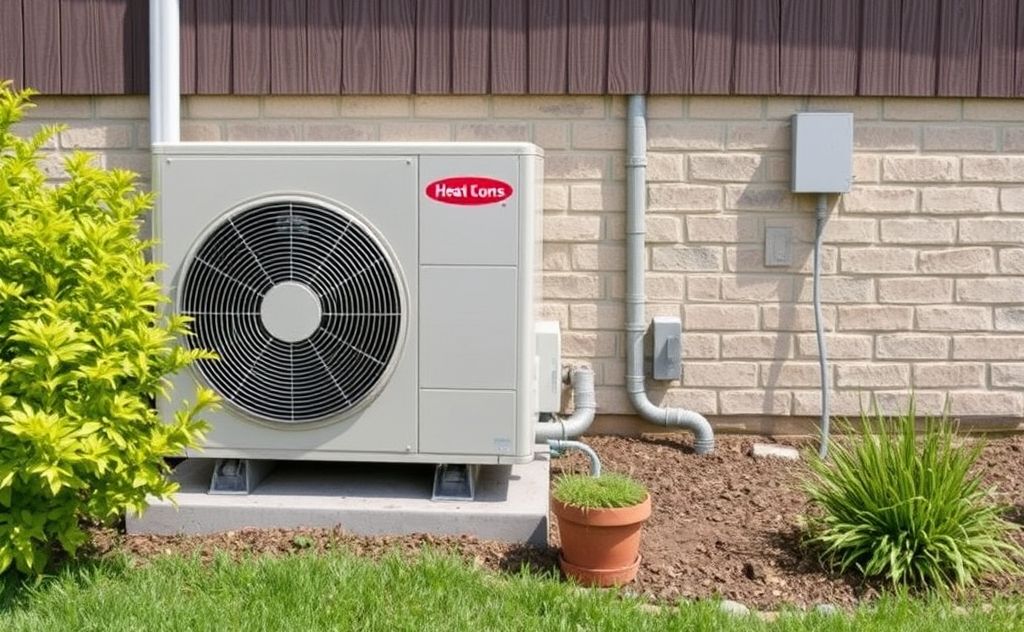
Unlike traditional furnaces, heat pumps operate most efficiently when maintaining consistent temperatures. Follow these guidelines:
- Set it and forget it – avoid frequent temperature adjustments
- Maintain daytime temperatures between 68-72°F
- For nighttime, lower by just 2-3°F maximum
- Use “Heat” mode in winter instead of “Auto” to prevent accidental cooling
According to Efficiency Maine, drastic temperature changes force heat pumps to work harder, reducing efficiency by up to 25%.
Essential Maintenance Practices
Filter Care
Clean filters are critical for airflow and efficiency:
- Check filters monthly during peak seasons
- Vacuum reusable filters or replace disposable ones
- Consider upgrading to high-performance filter materials for better air quality
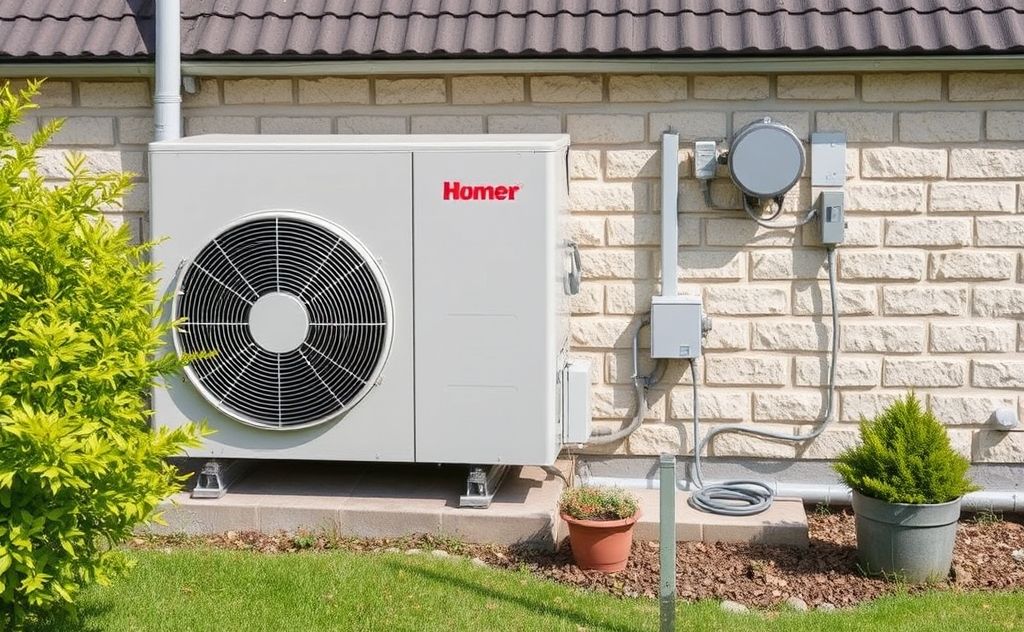
Outdoor Unit Maintenance
Keep the condenser unit clear for optimal performance:
| Season | Maintenance Task |
|---|---|
| Spring/Fall | Clear leaves and debris |
| Winter | Remove snow drifts (but not ice) |
| Summer | Trim vegetation (2 ft clearance) |
Advanced Performance Boosters
Ductwork Optimization
Up to 30% of heated/cooled air can be lost through leaky ducts:
- Seal all duct joints with mastic paste
- Insulate ducts in unconditioned spaces
- Consider professional duct testing for older homes
Smart Thermostat Integration
Modern thermostats can improve efficiency by 10-15%:
- Choose a heat pump-compatible model
- Enable adaptive recovery features
- Connect to outdoor temperature sensors
- Use geofencing for automatic adjustments
 Heating System Upgrade PlannerChoose between a heat pump, a furnace, a boiler or a hybrid with your own numbers, and hire the right installer.Every system compared side by side25 questions for contractors, red flagsRunning-cost, payback and quote calculator (Excel)
Cold Climate Considerations
The U.S. Department of Energy recommends these cold weather tips:
- Install low-temperature models rated below 5°F
- Add auxiliary heat strips for extreme cold
- Never manually defrost – trust the automatic cycle
- Consider hybrid systems with backup heating
Professional Services
Annual Tune-Ups
Schedule professional maintenance that includes:
- Refrigerant level checks
- Coil cleaning
- Electrical component inspection
- Blower motor lubrication
Performance Testing
Technicians should measure:
| Measurement | Ideal Range |
|---|---|
| Airflow (CFM) | 350-450 per ton |
| Superheat | 8-12°F |
| Subcooling | 10-14°F |
For optimal results, combine these strategies with proper insulation and air sealing throughout your home. Remember that heat pump performance depends on the complete HVAC system working in harmony.
Related pick: Check price on Amazon