
Skip to content
Heater GuidesHeaterGuides
Installation

How To Choose A Wall Mounted Heater Without Bad Installs

Bottom line
Choosing a wall mounted heater means matching the right size and fuel type to your room and venting setup. Electric plug-in models often let you DIY the install, but gas and hardwired heaters usually need a licensed pro. The wrong size wastes energy and leaves you cold or noisy.

Say your bedroom is 12 by 14 feet and you want one heater to take the edge off for a few hours at night. A 1,500 W wall heater can be enough for a small, fairly tight room, while a larger or leakier room may need a different fuel type or a vented unit.

For a wall-mounted gas heater, the first decision is safety, not style. Indoor-rated fuel-burning heaters need the right venting or oxygen-depletion protection, plus a working CO alarm; the wrong box on the wall is how people end up with heat they cannot safely use.

What to remember
Measure the room first, then choose the fuel and output that fit it.
Plug-in electric wall heaters are the simplest DIY choice if the circuit can handle the load.
Gas, vented, and hardwired installs usually need permits or a licensed pro.
Skip vent-free gas units if your local code restricts them or your room has poor air changes.

How To Choose A Wall Mounted Heater

Start with the room size in square feet, then match it to the fuel you have—120 V electricity for plug-in models, natural gas or propane if you’ve got a line and venting—and finally check whether your walls and ceiling can handle the clearances and whether code allows vent-free in your area. Most buyers end up choosing a 1,500 W plug-in electric heater for a bedroom or office up to about 150 square feet, or a vented gas unit for a larger living space or basement where running costs matter more than install simplicity.

a sleek wall mounted electric heater installed on a wall
Choosing the right heater starts with the appliance itself.

A plug-in electric wall heater draws about 12.5 A at 120 V, so it plugs straight into a wall outlet on a circuit that isn’t already loaded with other high-draw appliances. Never use an extension cord or power strip; the resistance in the extra connections can overheat the plug. Gas models—natural gas or propane—need either a vent pipe to the outside or an oxygen depletion sensor if your state and city allow vent-free appliances indoors. Check local code before you buy; vent-free gas heaters are restricted or banned outright in California, Massachusetts, and several other states.

Say your bedroom is 12 by 14 feet
That’s 168 square feet. A well-insulated room with decent windows needs about 10 watts per square foot for supplemental heat, so 1,680 W. A 1,500 W electric heater will keep it comfortable if you close the door and the house thermostat isn’t set too low. An uninsulated garage or a drafty sunroom needs closer to 20 watts per square foot, which puts you in gas-heater territory for anything over 100 square feet.
Room12 × 14 ft (168 sq ft)
Insulated10 W per sq ft
Result1,500 W electric heater

Models with a blower fan move warm air faster and heat the room more evenly, but the fan adds noise—usually 45 to 55 dB, about the level of a quiet conversation. That’s fine in a workshop or mudroom, less welcome in a bedroom or a home office where you’re on calls. Fanless radiant and convection models stay silent but take longer to warm the space and work best within a few feet of where you sit.

FuelOutput rangeBest forInstall
Plug-in electric750 to 1,500 WRooms up to 150 sq ft, no ventingDIY, wall outlet
Hardwired electric2,000 to 5,000 WLarger rooms, 240 V circuit availableElectrician
Natural gas or propane10,000 to 30,000 BTULiving rooms, basements, primary heatLicensed pro, vented
Electric heaters suit single-room supplemental heating; gas units cover larger spaces or serve as primary heat where fuel cost is low.

Look for tip-over and overheat shutoff on every electric model, and a UL, ETL, or CSA safety listing. Gas heaters need a pilot safety system—usually a thermocouple that shuts the gas valve if the flame goes out—and an oxygen depletion sensor if the unit is vent-free. Keep three feet of clearance in front and check the manual for side and top distances; most gas units need six inches to combustible walls.

Plug-in electric for bedrooms up to 150
DREO Smart Wall Heater, 1500W Space Heater for Bedroom, White, Standa…
The DREO mounts with the included hardware, plugs into a standard outlet, and its 120° oscillation spreads heat without a loud blower—useful if you’re working or sleeping in the room.
Check today’s price
Before you buy
Measure the room in square feet (length × width)
Confirm the outlet or gas line location and whether you can vent to the outside
Check local code for vent-free restrictions if you’re considering gas
Decide whether blower noise matters for how you use the space

Once you know the fuel and output, the rest comes down to features: a built-in thermostat to cycle the heater on and off, a timer for automatic shutoff, and remote or app control if you want to adjust settings from across the room. Hardwired electric models and most gas units need a licensed electrician or plumber for the install, but plug-in wall space heaters go up in an afternoon with a drill, a level, and the mounting hardware in the box.

Tools And Parts
Use these only where the steps call for a wall-mounted electric unit or its mounting hardware.
Smart app control
DREO 1500W Smart Wall Heater with Oscillation
The 120-degree oscillation spreads heat across a room faster than a fixed-mount unit, and the app lets you schedule heating hours before you walk in. Thermostat accuracy down to 1°F means it holds the temperature you set without cycling constantly.
Check today’s price

What You’ll Need Before You Mount It

You’ll want everything in hand before you drill the first hole. A stud finder, a drill with bits for your wall type, a level, a tape measure, a pencil, and the mounting hardware that came with the heater are the essentials. Most units ship with brackets, screws, and a paper template; if yours doesn’t, check the manual for the exact fastener spec before you improvise.
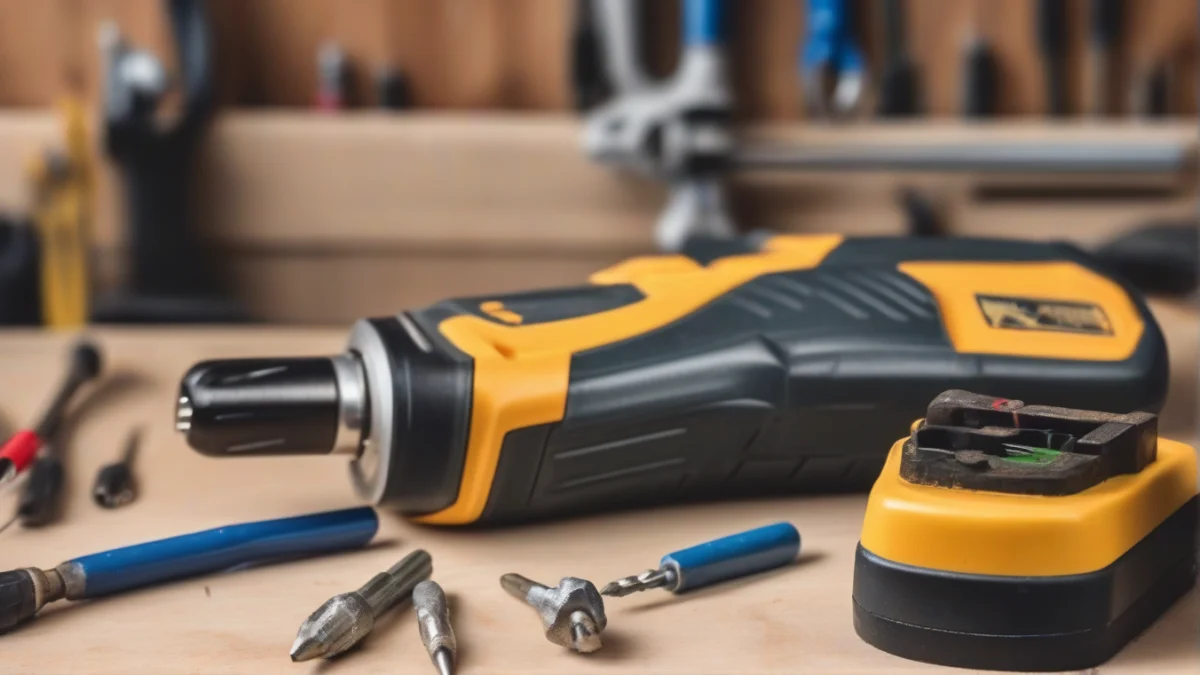
a stud finder and drill ready for installation tasks
Gather all the necessary tools before starting your installation.
Tools and parts for the job
Stud finder or knock test to locate solid backing
Drill with masonry bit for concrete or tile, wood bit for studs
Level, tape measure, and pencil for marking
Mounting bracket and fasteners from the heater’s box
Wall anchors rated for your wall type and the heater’s weight
Voltage tester if you’re checking an existing hardwired circuit

Wall material decides the anchor. Drywall needs toggle bolts or molly anchors if you miss the studs; masonry and tile call for plastic sleeves and concrete screws; wood studs take ordinary wood screws without fuss. The heater’s manual states the minimum fastener count and the weight load—follow it, because a 15-pound unit that drops at 2 a.m. cracks more than drywall.

Gas and propane units
Wall-mounted gas heaters vented through an exterior wall need a vent collar, a cap, and sometimes a direct-vent coaxial pipe that pulls combustion air from outside. Ventless models skip the vent but require an oxygen depletion sensor and compliance with local code; they’re banned outright in California, Massachusetts, and some cities. Check your jurisdiction before you buy one.

Electric models need a standard 120 V outlet within reach of the cord—most are six feet long—and three feet of clearance in front, with nothing combustible touching the sides or blocking the intake grille. Hardwired units pull their power from a dedicated 15 A or 20 A circuit behind the wall, a job for an electrician in most places. Plug-in wall space heaters go up faster because the outlet does the work.

Plug-in option with app control
DREO Smart Wall Heater, 1500W Space Heater for Bedroom, White, Standa…
The DREO smart wall heater mounts with the included bracket and template, plugs into a nearby outlet, and lets you set schedules or adjust the thermostat from your phone without getting off the couch.
Check today’s price

If you’re mounting a wall mounted electric fireplace that uses flame media—crystals, logs, or ember beds—the manual shows exactly where each piece sits inside the firebox. Crystals piled against the heating element or blocking the fan cause overheating faults and sometimes crack the glass; the layout matters for safety, not just looks.

How To Install A Wall Mounted Electric Heater

Most plug-in plug-in wall space heaters go up in an afternoon with a stud finder, a level, a drill, and the bracket that ships in the box. Hardwired models—those that connect directly to a 120 V or 240 V circuit—need the breaker off and a confident hand with electrical connections, or a call to an electrician.

Kill power first
Before you touch any wire on a hardwired heater, flip the breaker that feeds the circuit and use a non-contact voltage tester to confirm the circuit is dead. A 240 V mistake can kill.
1
Find the studs and mark the height
Run a stud finder across the wall where you want the heater. Mark the stud centers, then measure up from the floor to the height the manual specifies—usually 6 to 12 inches for a baseboard-style unit, higher for a panel heater. Check that the spot gives you the clearances the listing requires: typically 3 feet in front, 6 inches to either side, and a foot above.
2
Mount the bracket
Hold the bracket against the wall, level it, and mark the screw holes that land on studs. Drill pilot holes, then drive the screws through the bracket into the studs. If a stud isn’t where you need it, use the toggle bolts or drywall anchors rated for the heater’s weight.
3
Hang the heater and connect power
Lift the heater onto the bracket and lock it in place. If it’s a plug-in model, plug the cord straight into a wall outlet—never a power strip or extension cord. If it’s hardwired, follow the manual’s wiring diagram to connect the circuit wires to the heater’s terminals, match the wire colors, cap each connection with a wire nut, and tuck everything into the junction box before you close the cover.
4
Restore power and test
Flip the breaker back on. Set the heater to its highest setting and let it run for a few minutes. Check that warm air flows, the thermostat clicks off near the set point, and nothing smells like burning plastic after the first five minutes of factory-coating burn-off.
Bracket and guide in the box
DREO Smart Wall Heater, 1500W Space Heater for Bedroom, White, Standa…
The DREO ships with a drilling template that marks the screw holes, so you don’t have to measure twice or guess where the bracket lands.
Check today’s price

Wall-mounted bathroom heaters need a damp-location or bathroom listing—usually UL 2021 or the equivalent—and clearances that keep the unit away from the tub, shower, and sink splash zones. Many bathroom installs cross into permit territory because moisture, GFCI protection, and local exhaust rules all come into play. A heater mounted above a towel bar or too close to a door swing is a fire waiting to happen.

Keep the swing clear
Mount the heater where a bathroom door, shower curtain, or hanging towel can’t brush the grille. Fabric against a hot surface is how most bathroom heater fires start.

If the model plugs in, it still pulls 12.5 A at full tilt—the limit for most household circuits. Plug it into a dedicated outlet, not one that also feeds a hair dryer, curling iron, or space heater in the next room, or you’ll trip the breaker every cold morning.

Permits, Licensed Pros, And Code Checks

Gas piping, 240 V hardwiring, and any vent that punches through an exterior wall usually require a licensed plumber or electrician in most jurisdictions, plus a permit and an inspection before you fire it up. The store that sells you a wall-mounted gas heater does not hook it up; final gas connections, pressure checks, and leak tests belong to a licensed gas fitter in nearly every state.

Vented wall-mounted indoor space heaters that burn gas need a flue or direct-vent pipe to the outside, and that penetration through the wall or roof must meet the heater’s listing and local fire code for clearance to combustibles and termination height. A contractor who installs HVAC gear regularly knows the rules; a handyman who doesn’t may leave you with a failed inspection or a house full of carbon monoxide.

Vent-free models are restricted
Ventless wall-mounted gas heaters are banned or limited in California, Massachusetts, and a growing list of cities because they dump combustion moisture and trace gases into the room. Check your local code before you buy one.

Bathrooms, bedrooms, and new additions can trigger extra rules: some codes require a dedicated combustion-air supply for gas heaters in tight rooms, others demand GFCI protection for any bathroom circuit, and a few jurisdictions won’t allow unvented gas in a sleeping area at all. The permit office will tell you what applies to your address.

Permit first, wall second
If a permit is required, get it before you drill, mount, or connect anything. An inspector who finds unpermitted work can make you tear it out and start over, even if the install itself is safe.

A plug-in electric heater on a 120 V circuit usually skips the permit in most places, but a 240 V hardwired unit often does not. When in doubt, call the local building department and ask what your model and room require. Five minutes on the phone beats a fine or a voided homeowner’s insurance claim.

Common Mistakes That Cause Damage Or Leaks

Mounting into hollow drywall without hitting studs or using the right anchors is the mistake that drops heaters off walls. Electric models that weigh 10 to 15 pounds need toggle bolts rated for at least twice the weight if studs aren’t where the bracket lands, and gas units—often 25 to 40 pounds—should always go into framing. Covering the clearances listed in the manual with curtains, bedding, or furniture turns the three-foot safe zone into a fire risk.

For gas and propane models, the dangers stack up fast: blocked combustion air starves the flame and makes carbon monoxide, a vent that’s crimped or too long sends exhaust back into the room, and skipping the CO alarm removes the one device that warns you before someone gets sick. Ventless wall mounted gas heaters need an oxygen depletion sensor and the window crack or vent the manual specifies; some states and cities ban them outright, so check local code before you buy.

MistakeWhat HappensCheck This Instead
Drywall-only mountUnit falls, wiring tearsStud finder, toggle bolts rated 2× weight
Heater on 15 A circuit with other loadsBreaker trips repeatedlyDedicated 15 A or 20 A circuit for the heater
Power strip or extension cordCord overheats, fire riskPlug straight into wall outlet
Blocked vent or air intakeCO buildup, flame cuts outClear 6″ around vent, annual inspection
Loose hydronic fittingWater drips behind wallTighten unions, check for corrosion before season
Each mistake has a concrete fix you can check before the heater runs all winter.
Never oversize the circuit
Plugging a 1,500 W heater into a 15 A circuit that already serves lights, outlets, or a TV will trip the breaker the moment everything runs at once. Run a dedicated circuit or move other loads.

Wall mounted oil filled radiators and hydronic units leak when fittings crack from vibration, seals dry out, or corrosion eats through the tank after years of use. Inspect every union and valve before heating season starts, and wipe the unit down to spot any weeping around the fill port or the mounting bracket. If you see rust or a damp patch, drain the system and replace the failed part before you turn it back on.

Myth
Fuel-burning heaters need proper ventilation and a working CO alarm indoors. Ventless gas heaters produce combustion gases that must be managed carefully. They are not as safe as vented models in all indoor settings, and local codes often restrict or ban their use.
Fact
Ventless models burn room air and rely on an oxygen sensor to shut off before CO rises, but they still need the ventilation the manual requires—usually a cracked window or a fresh-air duct—and a working CO alarm. Vented units exhaust everything outside and don’t compete with the air you breathe.

What To Do Next For Your Home

Measure the room in square feet, then confirm whether you have 120 V outlets, a 240 V line, or a gas pipe where the heater will go. Check local code for permit requirements if gas piping, venting, or hardwiring is part of the job, and call the permit office or a licensed installer before you drill if you’re not sure.

1
Calculate the heat you need
Multiply square footage by 10 watts per square foot for insulated rooms, or 15 for garages and basements. A 150 sq ft bedroom needs about 1,500 W; a 300 sq ft family room needs 3,000 W or two smaller units.
2
Pick the fuel and mount style
Plug-in wall space heaters work for bedrooms and offices under 200 sq ft. Gas models suit larger spaces if you’ve got a line and a vent path. Bathrooms need a hardwired unit with GFCI protection or a model rated for damp locations.
3
Confirm clearances and circuit capacity
Read the manual’s clearance specs—usually 3 feet in front, 6 inches on the sides—and check that your circuit can handle the load. A 1,500 W heater draws 12.5 A, so a 15 A circuit with no other devices will work; anything else needs a dedicated line.
4
Buy the unit and the right hardware
Order the heater, the mounting bracket if sold separately, and toggle bolts or lag screws matched to your wall. For gas and propane models, buy black iron pipe, fittings, and thread sealant rated for fuel gas, or hire someone who stocks them.

If you want a shortlist after choosing the type, the best wall mounted heater guide covers electric, gas, and hydronic picks by room size and fuel.

In short
Measure the room, confirm the fuel and power you have, check code, then match the heater to the space and mount it where clearances and studs align. Call a pro for gas, venting, or 240 V work; everything else is usually a DIY afternoon.

Questions People Ask

How do I size a wall mounted heater for a bedroom?
Multiply the bedroom’s square footage by 10 watts per square foot for a starting estimate: a 120 sq ft bedroom needs about 1,200 W, a 150 sq ft room about 1,500 W. Add 20 percent if the room has poor insulation, large windows, or sits over an unheated garage. Most plug-in wall heaters top out at 1,500 W and cover up to 150 sq ft comfortably.
Can I install a wall mounted gas heater myself?
No. Gas piping, venting, and the final connection require a licensed plumber or HVAC technician in most jurisdictions, and the work usually needs a permit and inspection. DIY gas work creates carbon monoxide and fire risk if the connections leak or the vent drafts incorrectly.
Do ventless wall mounted gas heaters need a CO alarm?
Yes, every time. Ventless models burn cleanly under ideal conditions but produce carbon monoxide and water vapor that stay in the room. A working CO alarm and the ventilation the manual requires—typically a cracked window or makeup air—are non-negotiable, and some states and cities ban ventless heaters outright.
Can I plug a wall mounted electric heater into an extension cord?
Never. A 1,500 W heater draws 12.5 amps, enough to overheat an extension cord or power strip and start a fire. Plug straight into a grounded wall outlet on a circuit that carries no other high-draw appliances, or hardwire the unit to a dedicated 240 V circuit if the model requires it.
What clearance do wall mounted heaters need from curtains and furniture?
Most manufacturers require at least 3 feet of clearance in front of the heater and 6 to 12 inches on each side and above; check the manual for the exact figure. Curtains, bedding, and upholstered furniture ignite easily, and blocked airflow can trip the overheat shutoff or damage the element.
Do I need a permit for a wall mounted heater installation?
Gas heaters, hardwired 240 V electric models, and any unit that vents through an exterior wall typically require a permit and inspection. Plug-in 120 V heaters mounted to interior studs usually do not, but check with your local building department before you drill.
Are wall mounted propane heaters safe indoors?
Only if the model carries an indoor rating and includes an oxygen depletion sensor that shuts off the gas when combustion air runs low. Outdoor propane heaters and construction torpedo heaters lack that sensor and produce carbon monoxide in enclosed spaces; never bring them inside, into a tent, or into a vehicle cabin.
Share
Written by Joye

HeaterGuides covers home heating, water heating and HVAC: how the equipment works, what it costs to run, and how to use it safely.

Free newsletter

Heater deals and guides, worth opening

Price drops, new guides and safety recalls. One email, only when it matters.

No spam. Unsubscribe in one click. Privacy policy.