

You paid for a new ducted central heating system. Crew showed up on time, ran the ducts, fired it up, left. A week later one zone barely blows warm air. Another room sounds like a freight train. The utility bill jumped instead of dropping. That dream of cozy winters? It’s cold reality and a hole in your wallet.
Walking into this without a clear vetting process is a gamble. Most homeowners pick the first contractor with a decent website or the guy who quoted lowest. Both moves burn you more often than not. This guide gives you a repeatable system for selecting a ducted central heating pro — someone who designs, sizes, installs, and commissions a system that actually works.

MRCOOL COMFORT MADE SIMPLE
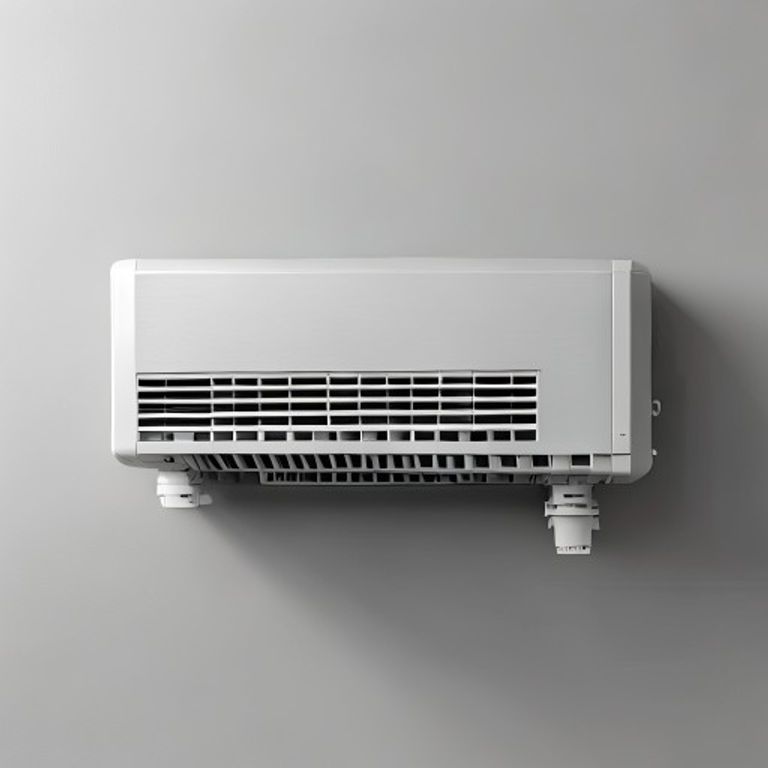
MrCool SEER2 VERSAPRO Central Ducted Split System
- Cooling Power: 2.5 Ton, providing efficient cooling for medium-sized spaces
- Premium energy efficient operation with 15.2-18.8 SEER2 rating (depending on model) and DC inverter technology, delivering superio…
- Energy Efficiency: 17 SEER, meeting Energy Star standards for reduced energy consumption
By the end you’ll know which licenses matter, how to spot a load calculation versus a guess, when to lean toward a heat pump versus a gas furnace, and what questions to ask before signing anything. No fluff, just what I’ve seen work and fail on real jobs over years of evaluating HVAC work.
If you are considering a modern ducted split system — like the MrCool VersaPro 2.5 Ton 17 SEER2 — it’s worth knowing that systems with DC inverter technology and R454B refrigerant are becoming the new baseline. The VersaPro uses lower pressure refrigerant with less environmental impact and includes a pre-charged DIY line set. That 35-foot line set matters: if your existing ducts are laid out in a way that puts the outdoor unit far from the air handler, you won’t need to pay a tech to braze and charge lines. But even a DIY-friendly system still needs a skilled pro to size the equipment, seal the ducts, and commission the airflow. The product changes the cost structure; it doesn’t remove the need for a competent installer. You can check current availability and price on Amazon.
What Credentials Actually Separate a Pro From a Pretender
Licensing is the floor, not the ceiling. Every state requires a contractor license for HVAC work over a certain dollar amount. But many let anyone with a bond and a test score install a $12,000 heat pump. You want more.
Look for NATE certification (North American Technician Excellence). It’s voluntary, industry-recognized, and tests real hands-on knowledge. Ask if the lead installer holds a NATE card. If they hesitate, that’s a red flag. In my experience, crews with at least one NATE-certified tech have far fewer callbacks for refrigerant leaks, airflow issues, and electrical faults.
Check for liability insurance (minimum $1 million general liability) and workers’ compensation. Without workers’ comp, you could be on the hook if a tech gets hurt on your property. Ask for certificates of insurance. A pro hands them over without being asked.
Manufacturer certifications matter too. Companies like Trane, Carrier, and even MrCool offer factory training programs. An installer who is factory-authorized for a specific brand has direct access to technical support and warranty approvals. That can mean the difference between a three-day part wait and a three-week one.
System Types, Efficiency Numbers, and the Gas vs Heat Pump Decision
Most homeowners assume gas is always cheaper. In colder climates with cheap natural gas, that used to be true. But heat pump technology has changed the math.
Modern cold-climate heat pumps (like the VersaPro’s 17 SEER2 class) output full heat down to around 5°F. Below that they need backup heat. Your pro should run a fuel cost analysis using your local utility rates. That means showing you the operating cost per million BTU for gas versus electric, based on your home’s heat load. If they can’t do that, they’re selling, not engineering.
Two efficiency numbers matter:
- SEER2 — cooling efficiency. 15.2–18.8 is the range on the VersaPro. Anything below 14 SEER2 is obsolete for most regions. Higher SEER2 lowers summer bills but costs more upfront.
- HSPF2 — heating efficiency for heat pumps. Look for 8.5+; 10+ is excellent. The VersaPro’s DC inverter compressor ramps up and down, maintaining temperature without the on-off cycling that wastes energy.
For gas furnaces, you care about AFUE. 80% is code minimum; 96%+ is condensing and efficient. But don’t chase AFUE alone. A poorly sized furnace short-cycles and wears out fast, no matter how high the efficiency rating.
My opinion: unless your climate regularly dips below 5°F, a heat pump plus existing ductwork is the smarter long-term bet, especially if you pair it with good temperature control. If you still prefer gas, make sure the pro measures static pressure and total equivalent length of duct — gas furnaces need proper airflow just as much as heat pumps do.
The Single Most Overlooked Step: Manual J Load Calculation
I’ve seen a 5-ton unit installed in a house that needed 3 tons. The owner thought bigger meant better. It cooled fast but never removed humidity, and the compressor burned out in year four. That’s what happens when a contractor estimates based on square footage alone.
The industry standard is Manual J (ACCA). A proper load calculation measures:
- Square footage and ceiling height
- Insulation levels in walls, attic, floors
- Window size, type, orientation
- Number of occupants and major appliances
- Local climate design temperatures
A real pro spends 30–60 minutes measuring your house, then runs the numbers in software like Wrightsoft or Elite. They will show you the result. If your candidate says “we’ve done a hundred houses this size and 3 tons works,” walk away. They’re guessing. And a guess on a ducted system costs you thousands in wasted energy and premature failures.
Once you have the right size, the pro must also perform a Manual D duct design to ensure existing or new ducts deliver that airflow to each room. Without it, you get the hot and cold spots that drove you to this article in the first place.
What a Good Installation Looks Like — and What Flags to Watch For
You don’t need to be an HVAC tech to spot a bad install. Watch for these:
- Ductwork not sealed with mastic. Duct tape (even the foil kind) fails within a year. Mastic paste is the standard. Leaky ducts lose 20–30% of conditioned air.
- Lineset not vacuumed. A proper installation pulls a deep vacuum (below 500 microns) for 30+ minutes to remove moisture and air. If the crew doesn’t show a micron gauge, they’re skipping it.
- No start-up report. The pro should measure and record airflow in CFM, temperature rise (heat), temperature drop (cool), refrigerant superheat/subcool, and static pressure. This data proves the system is running at spec.
- Warranty registration not done. Most manufacturers require online registration within 60 days for full warranty. Some pros forget. Ask them to register it with you present.
One more thing: the MrCool VersaPro comes with a smart thermostat compatibility and filter reminder. Make sure the pro connects the thermostat correctly and shows you how to access the self-diagnostic menu. That one feature can save you a service call later when you see a fault code instead of guessing.
| Criterion | Big National Company | Local Independent Shop | DIY-Friendly System + Pro Install |
|---|---|---|---|
| Typical labor warranty | 1 year | 2–5 years | Depends on installer, often 1–2 years |
| Load calculation quality | Often outsourced to sales rep, variable | Usually owner or lead tech does it | You control equipment choice; pro does calc |
| Equipment markup | 30–50% | 20–35% | Low (you buy unit, they install) |
| Ease of warranty claims | High (central parts stock) | Moderate (depends on brand relationships) | Moderate (manufacturer direct support helpful) |
| Best for | Simple replacements, new construction | Retrofits, custom work, older homes | Homeowners who researched and want modern tech |
Five Real Questions Homeowners Ask (And Straight Answers)
How much should I expect to pay for a proper install?
No one can give you a real number without seeing your house. But a ballpark: for a 2.5–3 ton split system with new or existing ducts, good installers quote between $6,000 and $15,000 depending on ductwork condition, accessibility, and local labor rates. The equipment itself is typically 40–50% of that. Get three written estimates that include Manual J, line items, and warranty terms. Avoid monthly payment financing that hides a 20% APR.
Is it worth paying extra for a 17 SEER2 system over a 14 SEER?
In most climates, yes. A 17 SEER2 unit like the MrCool VersaPro uses about 20% less electricity than a 14 SEER unit during cooling season. That difference pays back the upfront cost in 3–6 years if you run AC 4+ months a year. Plus the DC inverter compressor runs quieter and maintains temperature better. If you live in a mild climate with short summers, the payback may be slower — run the math with your pro.
Do I need a permit for a ducted system installation?
Almost always yes. Most municipalities require a mechanical permit for any change to a central heating system. A legit pro pulls the permit, pays the fee, and schedules inspections. If they tell you “you don’t need one,” that’s a compliance risk for you. An unpermitted install can cause problems when you sell the house, and may void manufacturer warranties.
Can I keep my existing ductwork, or does it need replacing?
It depends on the duct size, material, and condition. Many older flex ducts are undersized and crushed. A pro measures static pressure and compares it to the equipment’s acceptable range. If ducts are leaky, they can be sealed with mastic from the inside (aerosol sealant). If they are too small, replacement is cheaper than fighting airflow forever. optimize air distribution by checking duct routes and adding dampers in key zones.
How often do I need maintenance on a new ducted system?
Twice a year — once before cooling season, once before heating season. A pro checks refrigerant charge, cleans coils, tests safety controls, and changes filters. If your system has self-diagnostics (like the VersaPro’s filter reminder), that helps but doesn’t replace annual professional inspection. Skip it and you’ll lose about 5% efficiency per year and risk compressor failure.
What You Should Do Next — Actions That Actually Save You Money
- Get three in-home estimates, each including a formal Manual J load calculation — don’t accept emailed quotes without a site visit.
- Verify licenses, insurance, and at least one NATE-certified technician on the crew.
- Ask for references from the last three jobs that are similar to yours (size, age of house, type of system). Call two of them.
- If you’re leaning toward a heat pump, confirm the pro has experience with cold-climate inverter models and R454B refrigerant.
- Demand a start-up report with measured static pressure, airflow, and temperature split — do not pay final invoice until you see it.
- Register the warranty online yourself immediately after installation, using the serial number from the equipment.
- If you want a modern system with DIY-friendly components, consider buying the equipment separately (like the MrCool VersaPro) and hiring a licensed pro just for installation and commissioning — that often gives you better equipment for the same total cost.
Choosing the right ducted central heating pro isn’t a mystery. It’s a set of checkable boxes. Run through this list, and you’ll end up with a system that keeps you comfortable for twenty years without the headaches.

I am a mechanical engineer and love doing research on different home and outdoor heating options. When I am not working, I love spending time with my family and friends. I also enjoy blogging about my findings and helping others to find the best heating options for their needs.
Related guides
Ducted Central Heater Maintenance: Key Factors for Peak Performance
You walk into your home on a January evening. The thermostat reads sixty-two. The furnace has been running…

Top 5 Ducted Central Heating Brands for Your Home
You walk into your living room on a January morning, and it's still chilly. The old furnace kicks…
How Ducted Central Heaters Work: A Complete Guide
A ducted central heater works by heating air in a furnace, which is then distributed through ducts to…
