

Temperature regulation is crucial in heat stress management as it helps maintain optimal body function, preventing fatigue and heat-related illnesses.
Heat stress poses serious risks to worker health and productivity. Proper temperature regulation through engineering controls, hydration, and rest breaks can prevent heat-related illnesses while maintaining operational efficiency. This guide explores science-backed strategies for managing heat stress in both indoor and outdoor work environments.

Inkbird
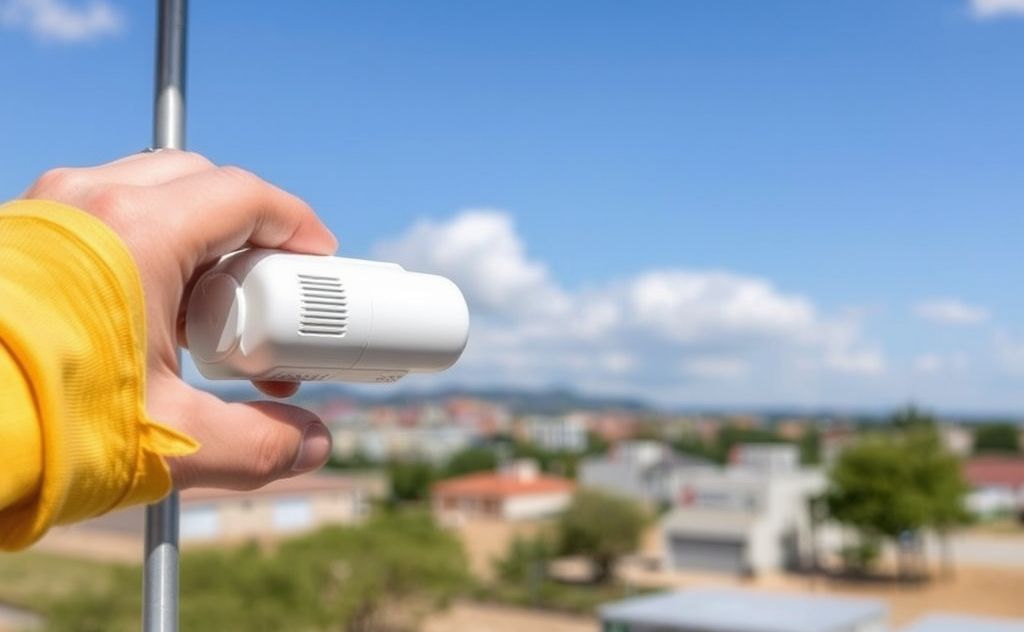
Inkbird ITC-308 Digital Temperature Controller Thermostat
- 【Easy to use】 Supports °C/°F display.
- 【Dual relay】able to power refrigeration and heating equipment as conditions change.
- 【Dual Display Window】Displays measured temperature and set temperature at the same time.
Understanding Heat Stress Risks
Heat stress occurs when the body cannot effectively cool itself through sweating and other natural mechanisms. Core body temperature rises, leading to potentially dangerous conditions:
- Heat stroke (body temperature >104°F)
- Heat exhaustion
- Heat cramps
- Heat rash
High-Risk Work Environments
According to OSHA, these workplaces commonly experience heat stress issues:
| Indoor | Outdoor |
|---|---|
| Foundries | Construction sites |
| Commercial kitchens | Agriculture |
| Manufacturing plants | Emergency response |

California’s Heat Illness Prevention Standards
California leads in worker protections with Title 8 regulations for both indoor and outdoor workplaces. Key requirements include:
Indoor Workplace Requirements
- Cool-down areas maintained below 82°F
- Water stations near work areas
- Temperature monitoring when ≥82°F
Outdoor Workplace Requirements
- Shade structures when >80°F
- High-heat procedures at ≥95°F
- Emergency response training
Effective Temperature Regulation Strategies
Engineering Controls
These physical modifications provide the most reliable heat reduction:
- HVAC systems with proper maintenance
- Localized cooling like portable AC units
- Heat-reflective shielding
- Improved ventilation
Administrative Controls
Work practice adjustments that reduce heat exposure:
- Schedule heavy work for cooler times
- Implement mandatory rest breaks
- Use buddy systems for monitoring
- Gradual acclimatization programs
Personal Protective Equipment
Specialized gear can help maintain body temperature:
- Cooling vests and bandanas
- Moisture-wicking fabrics
- Breathable safety gear
- Portable heating options for cold recovery areas
Hydration and Nutrition for Heat Stress Prevention
Proper fluid intake is critical for thermoregulation:
Water Consumption Guidelines
- 1 cup every 15-20 minutes in heat
- Electrolyte replacement for heavy sweating
- Avoid caffeine and alcohol
Nutritional Considerations
- Smaller, more frequent meals
- Foods with high water content
- Increased potassium intake
Recognizing and Responding to Heat Illness
Early intervention prevents serious consequences:
Heat Exhaustion Symptoms
- Heavy sweating
- Pale, clammy skin
- Rapid pulse
Heat Stroke Symptoms
- Hot, dry skin
- Confusion
- Loss of consciousness
For more information on workplace safety equipment, see our guide to temperature control systems.
Technological Solutions for Heat Monitoring
Advanced tools help maintain safe conditions:
- Wearable temperature sensors
- Environmental monitoring systems
- Smartphone alert systems
- Automated shade structures
Research from NIOSH shows proper heat stress management can reduce incidents by up to 80%. The OSHA Heat Safety Tool provides real-time heat index calculations for worksites.
Related pick: Check today's price on Amazon

I am a mechanical engineer and love doing research on different home and outdoor heating options. When I am not working, I love spending time with my family and friends. I also enjoy blogging about my findings and helping others to find the best heating options for their needs.
Related guides
Sustainable Forestry: Temperature Regulation Best Practices
Forests are not just collections of trees. They are intricate, living systems that create their own weather. The…

The Broken Clock: How Temperature Changes Disrupt Animal Migration Patterns
Every spring, a wood thrush leaves the Yucatán Peninsula and flies 1,200 miles to the same patch of…

How Temperature Regulation Transforms Urban Planning: A Data-Backed Playbook
You're standing on a downtown sidewalk in July. The air shimmers off the asphalt, the building walls radiate…