

Effective temperature regulation in buildings and appliances minimizes energy consumption, significantly reducing greenhouse gas emissions and lowering your carbon footprint.
Proper temperature regulation in homes and businesses can significantly reduce energy consumption and carbon emissions. With heating and cooling accounting for nearly half of a building’s energy use, optimizing these systems presents a major opportunity for climate action.

CDJTWL
Portable Woodworking Edge Banding Machine, Manual Push…
- Manual Push Plate & Wide Panel Compatibility: Adopts manual push-plate operation with 1200W power, supports 9–45mm edge width, hei…
- Double-Sided Gluing for Straight Edges :Equipped with a double-sided gluing system for even glue application, anti-warping and ant…
- Smart Temperature Control:5–10 minutes fast preheating, ±1℃ high-precision temperature control (150–180℃), automatic constant temp…
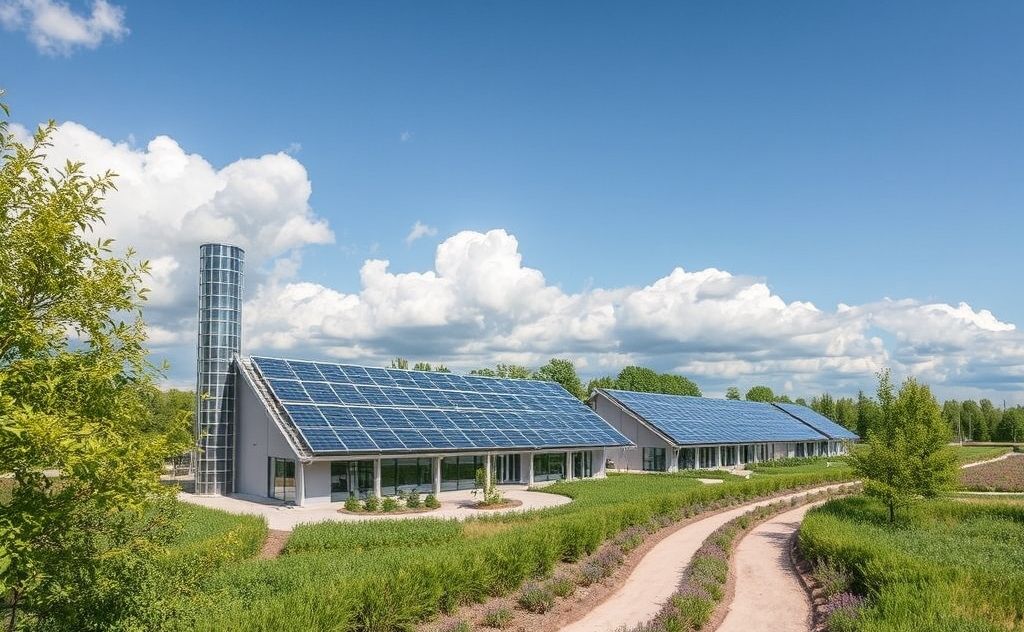
How Temperature Management Affects Emissions
Every degree of unnecessary heating or cooling increases energy demand. The U.S. Department of Energy estimates that adjusting thermostats by just 7-10°F for 8 hours daily can save 10% annually on heating and cooling costs.
Heating Efficiency Breakthroughs
Modern heating systems like built-in gas heaters and electric wood-stove style heaters achieve 90-98% efficiency compared to older models at 60-70%. This directly translates to lower fossil fuel consumption.
| Heater Type | Efficiency | CO2 Reduction |
|---|---|---|
| Traditional Furnace | 60-70% | Baseline |
| Modern High-Efficiency | 90-98% | 30-40% |
| Heat Pump | 300-400%* | 50-60% |
*Heat pumps move heat rather than generate it, achieving >100% efficiency
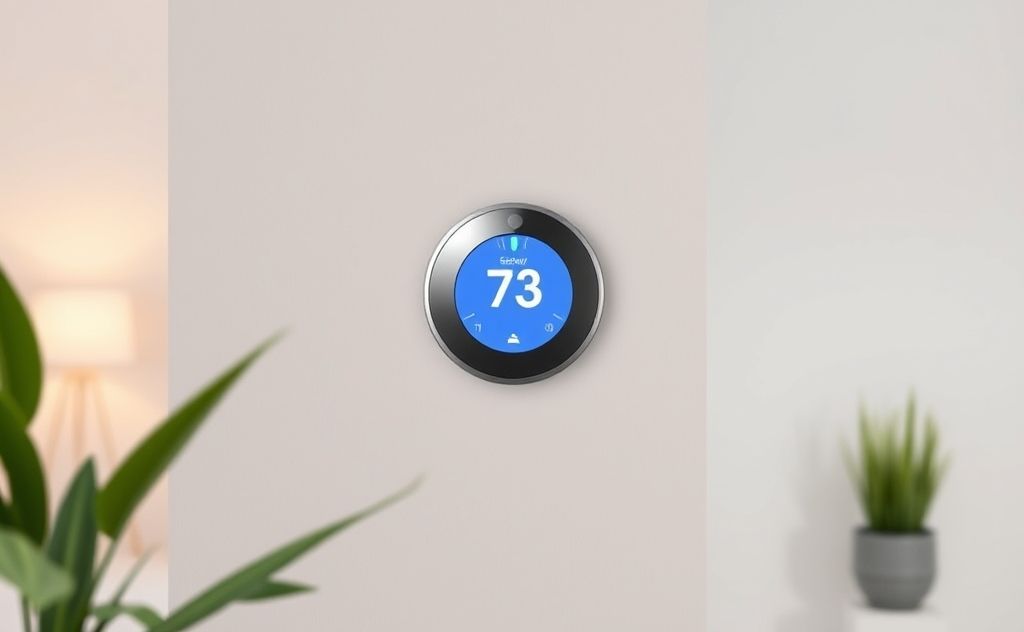
Smart Thermostat Revolution
WiFi-enabled thermostats like Nest and Ecobee learn schedules and adjust temperatures automatically. According to EPA studies, these devices reduce HVAC runtime by 15-20% without sacrificing comfort.
Key Features That Save Energy:
- Geofencing turns systems off when no one’s home
- Adaptive recovery learns how long heating/cooling takes
- Remote access prevents unnecessary runtime
- Usage reports identify waste patterns
Passive Temperature Regulation
Beyond mechanical systems, building design significantly impacts temperature control needs:
Green Roof Benefits
Vegetated roofs like those studied by the EPA reduce surface temperatures by 56°F compared to conventional roofs. This decreases cooling demand by up to 70% in summer months.
How Green Roofs Work:
- Plants absorb sunlight rather than reflecting it as heat
- Evapotranspiration cools the air naturally
- Soil layers provide insulation against temperature swings
Industrial Temperature Solutions
Manufacturing accounts for 23% of direct U.S. emissions, much from process heating. Innovations like waste heat recovery and advanced insulation can cut these emissions by 20-50%.
Case Study: Steel Production
Modern electric arc furnaces with optimized temperature controls use 60% less energy than traditional blast furnaces. When powered by renewable energy, emissions drop over 90%.
Proper temperature regulation represents one of the most accessible climate solutions available today. From smart home devices to industrial process improvements, every degree of optimized heating and cooling makes a measurable difference in our carbon footprint.
Related pick: Check today's price on Amazon

I am a mechanical engineer and love doing research on different home and outdoor heating options. When I am not working, I love spending time with my family and friends. I also enjoy blogging about my findings and helping others to find the best heating options for their needs.
Related guides

How Temperature Regulation Boosts Soil Health and Productivity
You walk out to the garden on a cool spring morning, ready to plant tomatoes. The air feels…

How Temperature Control Stops Pests Naturally
Heat, cold and humidity can deter pests or kill them, but only at specific thresholds. Here’s what works,…

How Smart Temperature Control Fights Urban Heatwaves
Implementing green infrastructure, reflective materials, and urban planning can effectively regulate temperature and mitigate the impact of urban…
