Implementing green infrastructure, reflective materials, and urban planning can effectively regulate temperature and mitigate the impact of urban heatwaves.
As cities grow hotter due to climate change, innovative temperature regulation strategies are becoming essential for urban survival. From reflective surfaces to smart vegetation planning, modern solutions can significantly reduce dangerous heat island effects.

meross
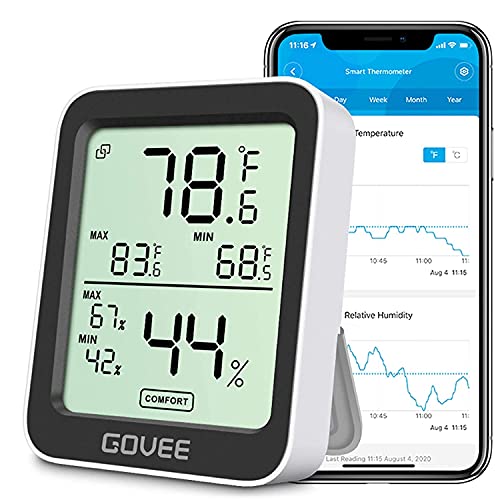
meross Smart Temperature Controller Work with Apple…
- Easy to use: The Meross smart temperature controller thermostat can be controlled using device buttons, the free Meross app or voi…
- Heating & Cooling: Compatible with various heating and cooling equipment such as infrared heaters, fan heaters, and refrigerators.…
- Solid Hardware Quality: Maximum output load of 15A, 1800W at 120V, and 3600W at 240V. This device offers temperature measurement r…
The Growing Threat of Urban Heat Islands
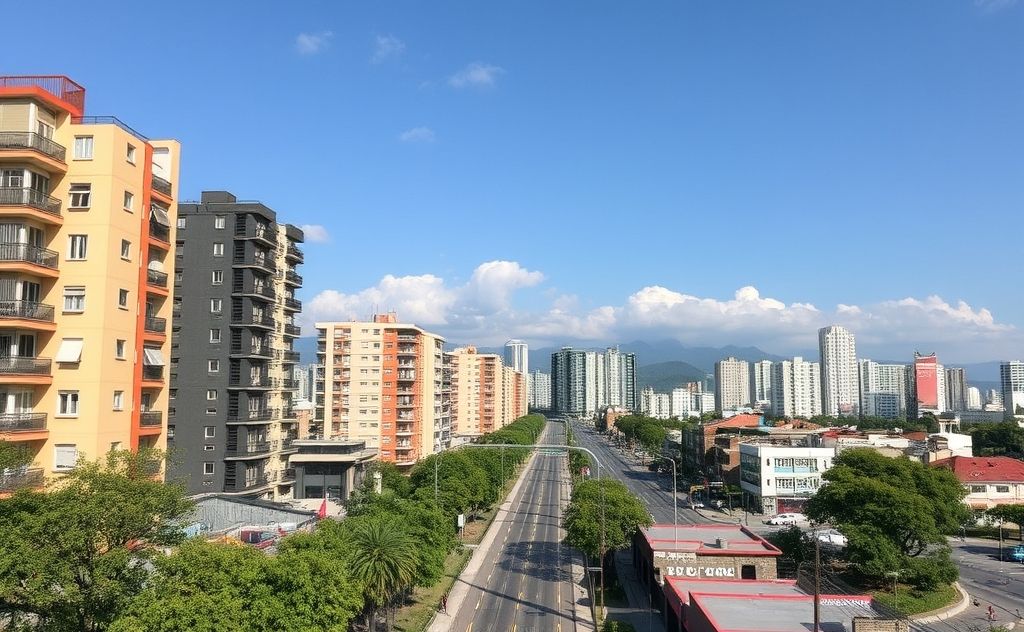
Urban areas absorb and retain significantly more heat than rural environments. This heat island effect creates dangerous conditions during summer months, particularly for vulnerable populations. Studies show temperature differences of 2.5°C or more between shaded and unshaded urban areas.
Why Cities Trap Heat
- Dark surfaces like asphalt absorb 80-95% of sunlight
- Tall buildings block natural wind flow
- Lack of vegetation reduces natural cooling
- Waste heat from vehicles and AC units adds to the problem
Proven Cooling Strategies for Cities
1. Smart Surface Materials
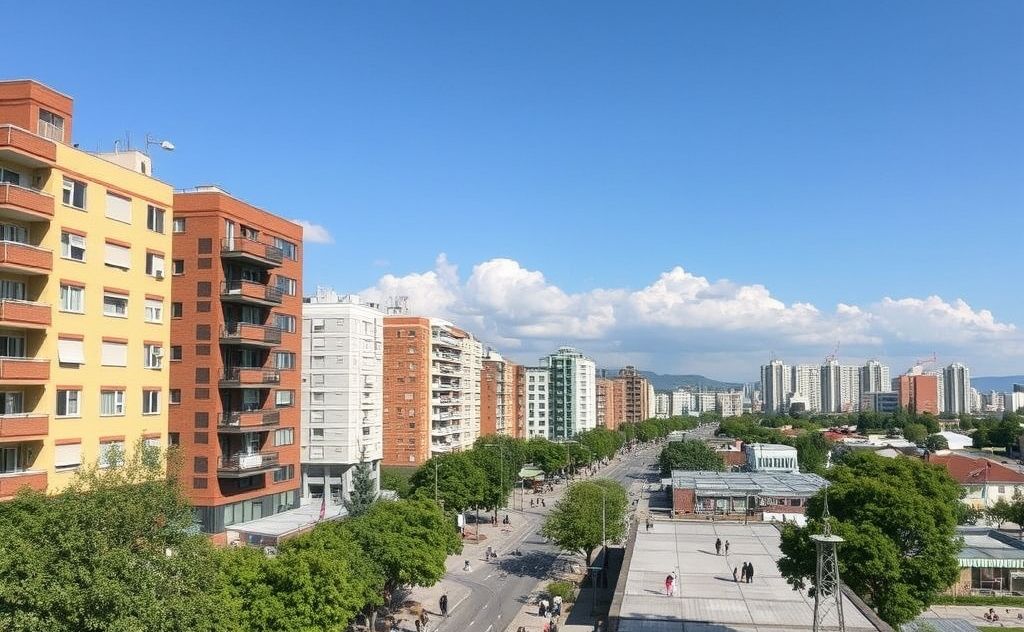
Choosing the right materials can dramatically reduce heat absorption. Cool roofs and pavements reflect more sunlight than traditional dark surfaces. For example, modern reflective materials can lower roof temperatures by up to 50°F compared to conventional options.
| Material | Temperature Reduction | Cost Premium |
|---|---|---|
| Cool Roofs | 50-60°F | 10-20% |
| Porous Pavement | 20-40°F | 15-25% |
| Green Roofs | 30-40°F | 100-200% |
2. Strategic Vegetation Planning
Trees provide both shade and evaporative cooling. A single mature tree can have the cooling effect of 10 room-sized air conditioners running 20 hours per day. Cities like Louisville have quantified these benefits, showing $389 million in annual savings from their urban forest.
Best Trees for Urban Cooling
- London Plane Tree – Excellent shade and pollution tolerance
- Littleleaf Linden – High transpiration rates
- Red Maple – Fast growth and dense canopy
3. Water-Based Cooling Systems
Innovative water features like efficient misting systems can provide immediate relief in public spaces. These systems use minimal water while lowering ambient temperatures by 15-30°F in their immediate vicinity.
Implementing Solutions at Scale
Successful urban cooling requires coordinated efforts across multiple sectors:
Policy Approaches
- Cool roof mandates for new construction
- Tree planting requirements for development projects
- Incentive programs for green infrastructure
Community Engagement
Local residents often have the best knowledge of neighborhood hot spots. Participatory planning processes can identify priority areas for intervention while building support for cooling projects.
As research from Nature Communications shows, the cooling benefits of urban trees are particularly strong in areas with high population density, making them a cost-effective solution for crowded cities.
The Future of Urban Cooling
Emerging technologies promise even greater temperature regulation capabilities:
- Phase-change materials in building surfaces
- Smart irrigation systems that optimize water use
- AI-powered urban planning tools
According to research published in The Lancet, increasing urban tree cover to 30% could prevent thousands of heat-related deaths annually in major cities worldwide.
Related pick: Check today's price on Amazon

I am a mechanical engineer and love doing research on different home and outdoor heating options. When I am not working, I love spending time with my family and friends. I also enjoy blogging about my findings and helping others to find the best heating options for their needs.
Related guides
How Temperature Rules Shape Urban Parks & Green Spaces
Urban green spaces are the lungs of our cities. They provide a refuge from concrete and steel, a…

How Smart Temperature Control Slows Deforestation
Temperature regulation helps prevent deforestation by maintaining ecosystem balance, promoting plant growth, and reducing the impact of climate…
How Temperature Control Boosts Urban Wildlife Survival
Temperature regulation helps urban wildlife by enhancing survival rates, promoting biodiversity, and enabling species adaptation to changing environments.…