

Temperature regulation enhances agriculture by optimizing crop growth, improving yield consistency, reducing pest outbreaks, and enabling year-round farming practices.
Precise temperature regulation unlocks higher crop yields, protects against climate extremes, and creates optimal growing conditions year-round. From open fields to high-tech hydroponics, controlled environments give farmers powerful tools to boost productivity.

Honeywell
Honeywell Agricultural Temperature Controller Farm-O-Stat 3 inch…
- Honeywell Agricultural Temperature Controller Farm-O-Stat 3 inch - T631A1006/U T631A-c10
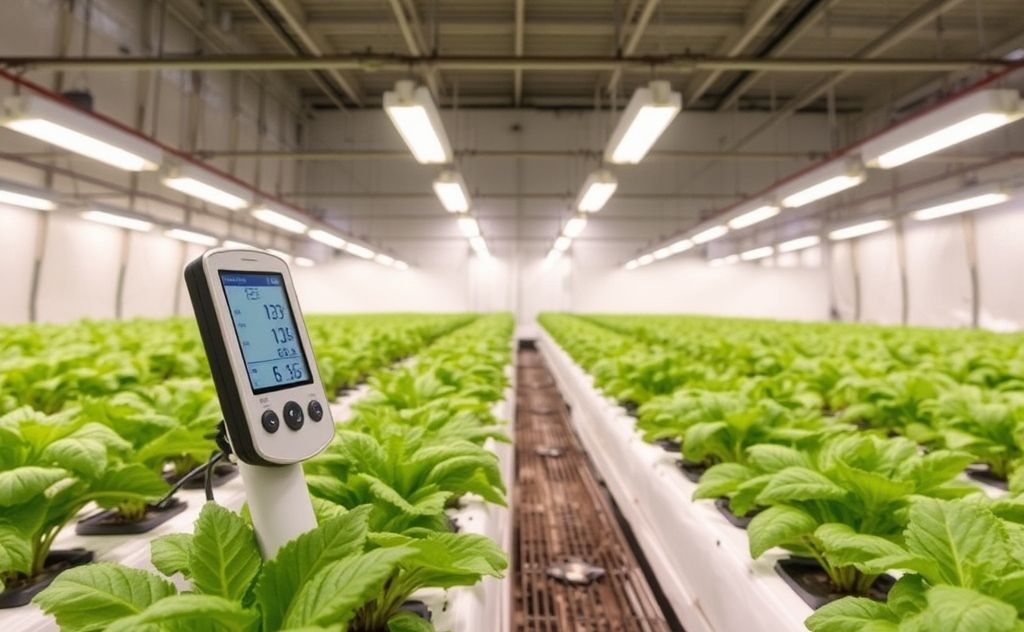
The Science Behind Temperature and Plant Growth
Plants thrive within specific temperature ranges that vary by species. Temperature affects:
- Photosynthesis rates
- Respiration
- Water uptake
- Nutrient absorption
- Flowering and fruiting cycles
Crop-Specific Temperature Needs
| Crop | Day Temp (°F) | Night Temp (°F) |
|---|---|---|
| Lettuce | 70-75 | 60-65 |
| Tomatoes | 75-85 | 65-70 |
| Strawberries | 65-75 | 55-60 |
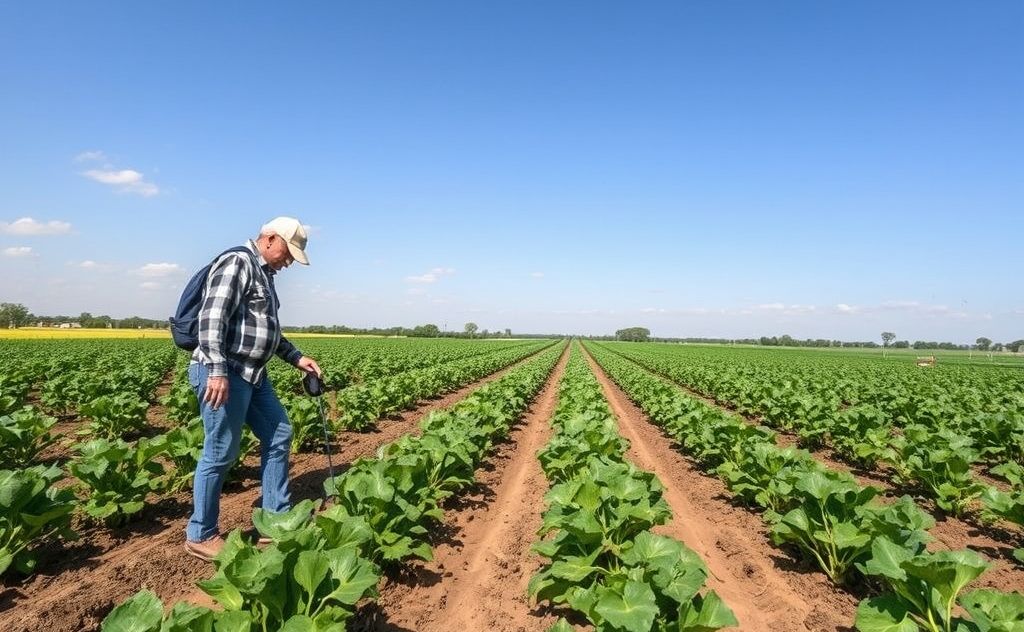
Field Temperature Management Techniques
Strategic Tree Planting
Forest edges create microclimates that:
- Reduce daytime highs by 5-10°F
- Lower soil evaporation rates
- Protect from wind damage
Shade Structures
Movable shade cloth systems allow farmers to:
- Reduce heat stress during peak summer
- Extend growing seasons in spring/fall
- Protect delicate crops like berries
High-Tech Climate Control Solutions
Greenhouse Temperature Systems
Modern greenhouses combine:
- Ventilation systems
- Shade screens
- Heating solutions like built-in gas heaters
- Cooling pads
Hydroponic Climate Control
Indoor farms use precise temperature management to:
- Maintain root zone temps of 65-75°F
- Prevent disease in recirculating systems
- Optimize growth rates with precision thermostats
Economic Benefits of Temperature Control
Proper climate management leads to:
- 30-50% higher yields for heat-sensitive crops
- Reduced crop losses from temperature extremes
- Extended growing seasons with higher-value crops
- Lower water requirements through reduced evaporation
Future of Agricultural Temperature Tech
Emerging innovations include:
- AI-powered climate prediction systems
- Phase-change materials for thermal buffering
- Geothermal heating/cooling solutions
- Solar-powered climate control like integrated PV-T systems
Research from Nature Sustainability shows that every 1°F reduction in heat stress can increase yields by 2-4% for key crops.
Related pick: Check today's price on Amazon

HeaterGuides covers home heating, water heating and HVAC: how the equipment works, what it costs to run, and how to use it safely.
