

You smell smoke on a Tuesday afternoon in July. The sky has that hazy, yellowish tint. Your phone buzzes with an alert: a wildfire started 20 miles away, and the wind is picking up. You wonder if you should pack the car. This scenario plays out more often every year, and it’s not just bad luck — it’s physics.
This article explains exactly how rising temperatures turn landscapes into tinderboxes. You’ll learn about vapor pressure deficit, why fire seasons are becoming extreme weather events instead of slow burns, and what actually protects a home when embers rain down. The goal is to give you the mechanism, not just the headline.

Blue Coolers
Blue Coolers Blue Seventy-Two | 72 Hour…
- BLUE SEVENTY-TWO EMERGENCY BACKPACKS ALL COME STANDARD WITH: 1 x Triple-Pocket Reinforced Grab-N-Go Backpack; 1 x Pack of Food Bar…
- PERFECT PREPARATION KIT FOR NATURAL DISASTERS: This Backpack emergency kit is perfect to help you stay prepared in the case of the…
- INCLUDES THE 3 ESSENTIALS TO SURVIVE: Each kit contains enough emergency supplies to sustain one person for three days (72 hours).…
Before diving into the science, consider this: if you live in a fire-prone area, a 72-hour emergency backpack with food, water, a mask, and a crank flashlight can be the difference between scrambling and staying calm during an evacuation order. It’s not a solution to the fire problem, but it’s a practical piece of the preparedness puzzle.
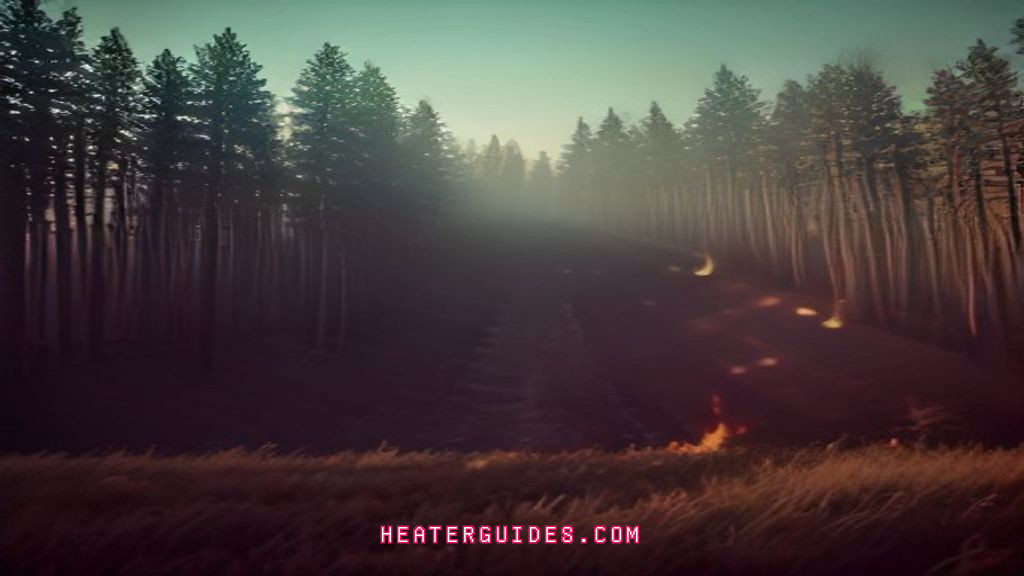
The New Normal: Why Wildfires Are Getting Worse
Wildfire seasons used to have predictable rhythms. Dry summers, wet winters, and fires that burned through grass and underbrush without leveling entire neighborhoods. That pattern is breaking down.
Global average temperatures have risen about 1.1°C (2°F) since the late 1800s. That number sounds small, but it shifts the odds. Hotter air holds more moisture — about 7% more per degree Celsius — which means the atmosphere pulls water out of plants and soil faster. The result is drier fuel, longer fire seasons, and fires that spread with an intensity that overwhelms firefighting crews.
The western United States now sees fire seasons that start earlier and end later. In California, the fall fire season used to begin in October. Now it often starts in June. The area burned annually has doubled since the 1980s. These aren’t isolated incidents; they’re the new baseline.
The Science: How Rising Temperatures Dry Out the Landscape
Let’s get specific about the drying process. It’s not just about hot days. It’s about how heat interacts with humidity to create a powerful drying force called vapor pressure deficit (VPD).
The Vapor Pressure Deficit (VPD) Effect
VPD is the difference between how much moisture the air can hold and how much it actually holds. When air is warm, it can hold more water vapor. When that warm air is also dry, the deficit is huge. The air actively sucks moisture from anything wet — including living plants.
Think of a sponge. A dry sponge sits on a wet countertop and absorbs water. Air with high VPD acts the same way on leaves and pine needles. It pulls water through the plant’s stomata, the tiny pores that regulate gas exchange. When the plant can’t replace that water fast enough from the soil, the leaves dry out and die.
Dead vegetation is fuel. Live vegetation with high moisture content resists ignition. But when VPD spikes — during a heatwave, for example — even live trees and shrubs become flammable. A study in the Sierra Nevada found that live fuel moisture can drop by 20% or more during extreme heat events, turning green forests into kindling.
This is why a 100°F day with 10% humidity is far more dangerous than a 100°F day with 30% humidity. The VPD is roughly three times higher in the dry case. Fire managers watch VPD forecasts the way you watch the weather app — it’s a direct predictor of fire behavior.
Beyond the Season: The Rise of Extreme Fire Weather Events
You’ve heard that fire season is longer. That’s true, but it’s only half the story. The more dangerous shift is the rise of extreme fire weather events — short windows of 24 to 72 hours where conditions align to produce explosive fire growth.
These events combine high temperatures, low humidity, and strong winds. The 2026 Labor Day fires in Oregon and California were a textbook example. A heatwave pushed temperatures to 115°F, humidity dropped to single digits, and east winds gusted to 50 mph. In 48 hours, fires burned over a million acres and destroyed thousands of homes.
Fire suppression works well against moderate fires. It fails against extreme ones. When a fire’s rate of spread exceeds a few miles per hour, and embers fly a mile ahead of the main flame front, no number of bulldozers or air tankers can stop it. The strategy shifts from fighting the fire to evacuating people.
Climate change is increasing the frequency of these extreme events. Research from the University of California shows that autumn days with extreme fire weather in California have more than doubled since the 1980s. The seasonal average matters less than these sharp, dangerous peaks.
The Human Factor: Suppression, Ignitions, and the Wildland-Urban Interface
Rising temperatures create the conditions, but people create the fires. About 85% of wildfires in the US are human-caused, either by accident (power lines, campfires, equipment sparks) or deliberately. Climate change doesn’t light matches, but it makes every spark more dangerous.
There’s also a hidden problem: the fire suppression paradox. For a century, land management agencies aggressively put out every wildfire. That stopped natural, low-intensity burns that cleared out underbrush. Now forests are packed with decades of accumulated fuel. When a fire does start, it has more to burn, so it burns hotter and spreads faster.
Compounding this is the growth of the wildland-urban interface (WUI) — the zone where houses meet wild vegetation. Millions of new homes have been built in fire-prone areas over the past 30 years. More people living in the WUI means more ignition sources and more structures at risk. Even if climate change stopped tomorrow, the WUI problem would persist for decades.
The Vicious Cycle: Smoke, Carbon, and Ecosystem Damage
Wildfires don’t just respond to climate change; they amplify it. Burning vegetation releases massive amounts of carbon dioxide and black carbon into the atmosphere. The 2026 fire season in the US released more than 400 million metric tons of CO2 — equivalent to the annual emissions of 100 million cars.
Smoke is a health crisis in its own right. Fine particulate matter (PM2.5) from wildfire smoke penetrates deep into lungs and enters the bloodstream. Studies link wildfire smoke exposure to increased rates of asthma attacks, heart attacks, and premature death. Smoke events now affect millions of people far from the fire itself, blanketing cities like Seattle, San Francisco, and even New York.
Ecosystems take decades to recover, if they recover at all. Severe fires kill mature trees that would normally survive a low-intensity burn. They also bake the soil, making it hydrophobic — water runs off instead of soaking in. That leads to mudslides and flooding in the rainy season. Some forests convert to shrublands or grasslands after repeated burns, permanently losing their tree cover.
Protecting Your Home: The Home Ignition Zone (HIZ)
Here’s the practical part. You can’t control the weather or the regional fire risk, but you can control what happens on your property. The home ignition zone is the area within 100 feet of your house. It’s where 60% to 90% of home destruction happens — not from the main flame front, but from embers.
Ember storms are the real killer. Wind carries burning pieces of bark and pine needles for miles. They land on roofs, in gutters, under decks, and against fences. A house catches fire when an ember finds something flammable to ignite.
Here are the specific steps that matter, organized by zone:
Zone 1: Immediate Area (0 to 5 feet)
- Use non-combustible materials for the first 5 feet around the house: gravel, stone, or concrete instead of bark mulch.
- Clear all dead leaves, pine needles, and debris from the roof and gutters.
- Install 1/8-inch metal mesh screening on vents, eaves, and under decks to block embers.
- Move firewood, propane tanks, and other flammable storage at least 30 feet from the house.
Zone 2: Intermediate Area (5 to 30 feet)
- Keep grass mowed to 4 inches or less.
- Trim tree branches so they’re at least 10 feet from the roof and from other trees.
- Remove dead trees, shrubs, and accumulated leaf litter.
- Space trees and shrubs so fire can’t easily jump between them.
Zone 3: Extended Area (30 to 100 feet)
- Thin dense tree stands to reduce ladder fuels — vegetation that lets fire climb from the ground to the canopy.
- Remove dead or dying trees that could fall and create a fire bridge.
- Keep the area free of heavy accumulations of downed branches and logs.
These steps cost time and money, but they work. A well-maintained home ignition zone can mean the difference between a house that survives and one that’s reduced to ash. It’s not a guarantee — extreme fires can overwhelm any defensible space — but it dramatically shifts the odds in your favor.
Building Community Resilience: Policy and Land Management
Individual action has limits. A single hardened home on a street of tinderbox houses still faces risk from neighbors’ fires. Community-scale solutions are necessary.
Prescribed burns are the most effective tool we have. They mimic natural low-intensity fires, clearing out accumulated fuel under controlled conditions. The US Forest Service has committed to treating millions of acres, but progress is slow due to funding, liability concerns, and smoke complaints from nearby communities.
Building codes matter too. California now requires new homes in fire-prone areas to use ignition-resistant materials like metal roofs and dual-pane windows. Retrofitting existing homes is expensive, but targeted programs can help homeowners cover the cost.
Land use planning is the hard conversation. Building new subdivisions deep into the WUI increases risk for everyone. Some counties are now restricting development in high-risk zones. It’s politically unpopular, but it’s the only long-term solution that matches the scale of the problem.
For a deeper look at how temperature shifts affect other natural systems, this piece on rising temperatures in polar regions shows similar dynamics at work. And if you’re curious about how daily temperature swings stress ecosystems, this ecosystem temperature effects article covers the broader picture.
The Bottom Line: A Hotter Future Means More Fire
The connection between rising temperatures and wildfire risk isn’t a theory — it’s a chain of physical cause and effect. Hotter air dries out vegetation faster. Drier vegetation ignites more easily and burns more intensely. Extreme fire weather events are becoming more frequent and more severe. And we’ve built homes and power lines right in the path of the flames.
Here’s what you can act on right now:
- Understand your local fire risk. Check your county’s wildfire hazard map, not just your state’s general warnings.
- Harden your home’s ignition zone. Start with the 5 feet closest to the house — that’s where embers do the most damage.
- Keep an emergency kit ready. A 3-day survival backpack with food, water, and a mask is the minimum for any evacuation scenario.
- Sign up for local emergency alerts and know your evacuation routes before you need them.
- Support prescribed burn programs and stricter building codes in your community — they’re proven to reduce fire severity.
- Don’t wait for an evacuation order to pack. If the smoke is visible, start loading the car.
Wildfires are a natural part of many ecosystems, but the fires we’re seeing now are not natural in scale or intensity. The science is clear, and so is the path forward: reduce emissions, manage fuels, and prepare our homes. You can’t stop a heatwave, but you can make sure your house isn’t the one that ignites when the embers arrive.
Frequently Asked Questions
How exactly does warmer air make plants more flammable?
Warmer air increases the vapor pressure deficit, which pulls moisture out of plant tissues through their stomata. When plants can’t replace that water fast enough, their leaves dry out and become combustible. Even live vegetation with very low moisture content can burn readily.
What’s the difference between fire season and fire weather?
Fire season is the broad calendar period when fires are more likely — typically late spring through fall in the West. Fire weather refers to specific short-term conditions (high heat, low humidity, strong winds) that create extreme fire behavior. Climate change is lengthening fire season and also increasing the frequency of dangerous fire weather events.
Why do some homes survive a wildfire while their neighbors burn?
The primary factor is the home ignition zone. Homes that survive typically have non-combustible roofing, no flammable vegetation within 5 feet, screened vents, and no debris in gutters. Embers are the main threat, and a well-prepared home gives embers nothing to ignite.
Can prescribed burns actually reduce wildfire risk?
Yes, when done correctly. Prescribed burns reduce the accumulated fuel load, so when a wildfire does occur, it burns with less intensity and is easier to control. The challenge is that prescribed burns require specific weather windows and can be risky if conditions change unexpectedly.
Is it too late to protect my home if I live in a high-risk area?
It’s not too late. Even in high-risk zones, homes with hardened ignition zones survive at significantly higher rates than unprepared homes. Start with the cheapest and most effective steps: cleaning gutters, removing flammable mulch, and installing metal vent screens. Every improvement reduces your risk.

I am a mechanical engineer and love doing research on different home and outdoor heating options. When I am not working, I love spending time with my family and friends. I also enjoy blogging about my findings and helping others to find the best heating options for their needs.
Related guides

How Temperature Changes Reshape Seasonal Patterns
The influence of temperature on seasonal patterns affects plant growth, animal behavior, and ecosystem dynamics, altering migration, blooming,…

How Temperature Drastically Affects Plant Growth: The Gardener’s Guide to Heat and Cold Stress
You've seen it happen: tomatoes that looked perfect in the morning, then wilted by late afternoon during a…

How Temperature Shifts Reshape Alpine Ecosystems
You see it first in the details. A patch of bare rock where a glacier's toe used to…
