

You check on your mother at 3 PM in July and she says she feels fine, but her living room is 88°F. She’s wearing a sweater. Her skin is dry, not sweaty. You brush it off as a quirk. That’s how heatstroke starts in older adults — quietly, without drama, often without the person realizing anything is wrong.
This article covers the physiological reasons aging bodies lose the ability to regulate temperature, the specific medications that make things worse, and the practical steps caregivers can take. You’ll get an hourly heat wave checklist, low-cost home modifications, and cold-weather strategies that most guides skip. This is the playbook I wish someone had given me when I started caring for my own parents.

Inkbird
Inkbird ITC-308 Digital Temperature Controller Thermostat
- 【Easy to use】 Supports °C/°F display.
- 【Dual relay】able to power refrigeration and heating equipment as conditions change.
- 【Dual Display Window】Displays measured temperature and set temperature at the same time.
One tool worth having in place before an emergency hits is the Inkbird ITC-308 Digital Temperature Controller Thermostat. It monitors room temperature continuously and can trigger a cooling fan or heater automatically, with alarms for high and low limits. For a caregiver who can’t be present 24/7, that kind of automation matters.
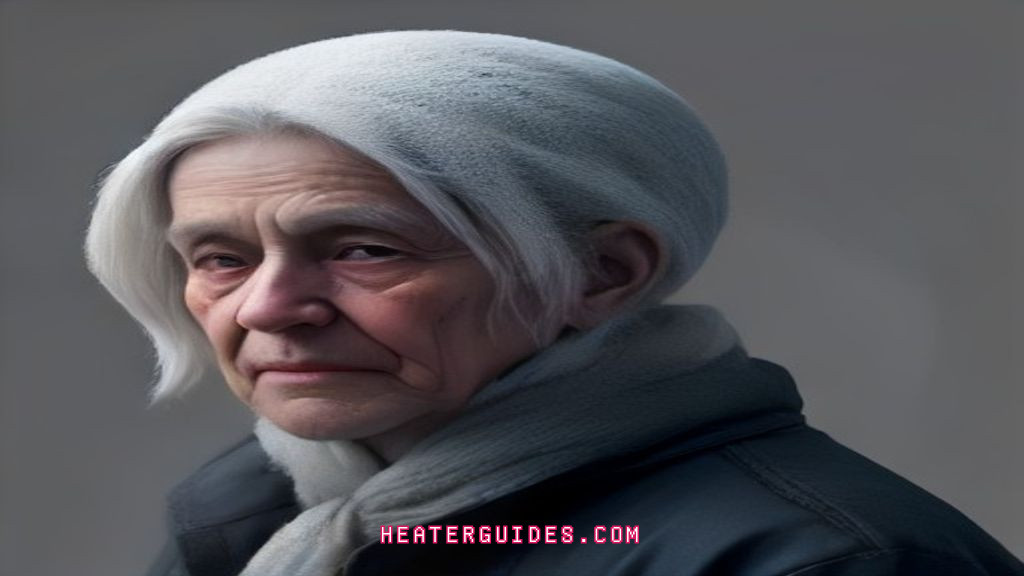
Why Aging Bodies Struggle with Temperature Extremes
The human body maintains a core temperature around 98.6°F through a system called thermoregulation. The hypothalamus acts as the thermostat, sending signals to sweat glands, blood vessels, and muscles. With age, every part of that system degrades.
Sweat glands produce less fluid. The skin’s blood vessels don’t dilate as readily, so heat doesn’t dissipate efficiently. The heart pumps less blood per beat, reducing the body’s ability to move warmth to the extremities in cold weather. Muscle mass shrinks, and muscle generates most of the body’s heat. The result is a system that reacts slower and less effectively to both heat and cold.
Dehydration compounds the problem. Older adults lose their sense of thirst. A 75-year-old can be significantly dehydrated without feeling thirsty. Blood volume drops, which means less fluid available for sweating and a higher strain on the cardiovascular system. This is why heat exhaustion in the elderly often presents as confusion or dizziness rather than obvious physical distress.
Chronic conditions amplify the risk. Heart disease limits cardiac output. Diabetes damages blood vessels and impairs sweating. Kidney disease reduces fluid retention. Each condition on its own is manageable; together with extreme temperatures, they create a dangerous cascade.
The Hidden Danger of Prescription Medications
Most advice about heat safety ignores the medicine cabinet. That’s a mistake. Medications are frequently the difference between a rough afternoon and a hospital visit.
Diuretics, commonly called water pills, force fluid out of the body. They’re prescribed for high blood pressure and heart failure. In hot weather, a person on diuretics loses even more fluid through sweating, which accelerates dehydration and can cause electrolyte imbalances severe enough to trigger cardiac arrhythmias.
Beta-blockers slow the heart rate and reduce cardiac output. They also blunt the body’s ability to redirect blood toward the skin for cooling. A person on beta-blockers may not experience the rapid heartbeat that normally signals overheating, masking the early warning signs of heat exhaustion.
Antipsychotics and anticholinergics interfere with the hypothalamus directly. They impair sweating and can cause the body temperature to rise even in moderate heat. Antihistamines, tricyclic antidepressants, and some bladder control medications fall into this category. These drugs make heatstroke more likely at lower ambient temperatures.
Other culprits include ACE inhibitors, which can reduce thirst sensation, and laxatives, which promote fluid loss. Even common over-the-counter cold medications containing antihistamines can impair sweating.
What can you do? Review every medication with a pharmacist before summer and winter. Ask specifically: “Does this drug affect temperature regulation or fluid balance?” The pharmacist can flag interactions you wouldn’t otherwise know about. Keep a written list of all medications and doses, including supplements, and bring it to every doctor visit.
Timing matters too. If a diuretic is taken in the morning, the peak effect occurs during the hottest part of the day. Ask the doctor whether shifting the dose to evening is safe. Sometimes it is, and it makes a real difference.
Heat Risks: From Exhaustion to Organ Failure
Heat illness exists on a spectrum. It starts with heat exhaustion and progresses to heatstroke if untreated. The transition can happen in under an hour.
Heat exhaustion presents with heavy sweating, weakness, cold clammy skin, nausea, headache, and a rapid weak pulse. Body temperature is usually below 104°F. The person may feel dizzy or faint when standing. This stage is reversible with rest and fluids, but in an older adult, it demands immediate action. Don’t wait to see if they improve.
Heatstroke is a medical emergency. Body temperature exceeds 104°F, sweating often stops, and the skin becomes hot and dry. Confusion, slurred speech, seizures, and loss of consciousness follow. Organ damage begins quickly. The kidneys, liver, and brain are most vulnerable because they require high blood flow. Without rapid cooling, mortality rates in the elderly exceed 50%.
The heat index matters more than the air temperature. At 90°F with 60% humidity, the heat index is around 100°F. Sweat doesn’t evaporate in high humidity, so the body loses its primary cooling mechanism. A humid 85°F day can be more dangerous than a dry 100°F day.
Air quality compounds the risk. Heat waves often coincide with high ozone and particulate pollution. Older adults with COPD or asthma experience respiratory distress more quickly in these conditions. If the air quality index is above 100, keep windows closed and rely on air conditioning rather than opening up the house.
Social isolation turns a manageable situation into a lethal one. An older person living alone may not recognize the warning signs in themselves. Cognitive decline can prevent them from understanding the danger. This is why regular check-ins during heat waves are not optional.
The Overlooked Threat of Extreme Cold and Hypothermia
Heat gets the headlines, but cold kills more older adults in many regions. Hypothermia occurs when core body temperature drops below 95°F. It can happen indoors at temperatures as mild as 60°F, especially in homes with poor insulation.
Aging skin is thinner and loses heat faster. Reduced muscle mass means less shivering capacity — shivering generates heat, and without it, the body cools unchecked. The cardiovascular system constricts blood vessels to protect the core, which strains the heart. For someone with existing heart disease, this can trigger a heart attack.
Fuel poverty is the silent driver. Many older adults on fixed incomes keep the thermostat at 55°F to save money. They wear layers indoors and don’t complain. The risk is compounded by the fact that cold exposure impairs judgment, so they may not recognize they’re in danger. A person with mild hypothermia becomes confused and apathetic, which makes them less likely to turn up the heat or call for help.
Cold also affects cognition. Studies show that cold exposure worsens symptoms of dementia and depression. The psychological toll of being cold and isolated for weeks can be as damaging as the physical effects. Seasonal affective disorder is more common in older adults, and extreme cold keeps them indoors, cutting off social contact.
Medications interact with cold too. Antipsychotics impair thermoregulation in both directions. Some antidepressants cause blood vessel dilation, which increases heat loss. Thyroid medications can alter metabolic rate. Always review medications before winter as well as summer.
Indoor hypothermia is insidious because it doesn’t look like an emergency. The person may appear tired, speak slowly, or have cold pale skin. They may deny feeling cold because the cognitive effects of hypothermia include reduced perception of cold. If you suspect hypothermia, call emergency services. Rewarming should happen gradually under medical supervision; rapid rewarming can cause dangerous arrhythmias.
Immediate First Aid: What to Do in an Emergency
When heatstroke or hypothermia is suspected, minutes matter. Here’s what to do while waiting for emergency services.
For heatstroke:
- Call 911 immediately. Do not wait to see if symptoms improve.
- Move the person to a cooler place — shade, an air-conditioned room, or near a fan.
- Remove excess clothing. This includes socks, which people forget.
- Apply cool water to the skin using a spray bottle or wet cloths. Focus on the neck, armpits, and groin where large blood vessels run close to the surface.
- Fan the person vigorously to promote evaporative cooling.
- If they are conscious and can swallow, give small sips of cool water. Do not force fluids if they are confused or vomiting.
- Do not use ice baths for elderly patients. The sudden cold can cause shivering, which generates heat, and can trigger cardiac stress. Cool water is sufficient.
For hypothermia:
- Call 911 if the person is confused, unconscious, or has a temperature below 95°F.
- Move them to a warm room.
- Remove wet clothing and replace with dry layers, including a hat.
- Wrap them in blankets. Cover the head, which loses heat rapidly.
- Offer warm, sweet, non-alcoholic drinks if they are conscious and can swallow. Sugar provides quick energy for shivering.
- Do not use heating pads, hot water bottles, or a hot bath. Rapid rewarming can cause blood to rush to the skin, dropping core temperature further and triggering cardiac arrest.
- Do not rub the skin. Friction in cold, constricted tissues can damage them.
The single most important rule: when in doubt, call for help. The cost of a false alarm is embarrassment. The cost of waiting is a funeral.
A Caregiver’s Hourly Checklist for Heat Waves
Generic advice like “check on elderly neighbors” doesn’t tell you what to actually do. Here’s a concrete hourly schedule for a day when the heat index exceeds 95°F.
7:00 AM — Check the forecast and heat index. If it’s going to be hot, start the air conditioning early. Cooling a house before it heats up uses less energy than trying to catch up after noon.
8:00 AM — Give medications with a full glass of water. Note which medications are diuretics or blood pressure drugs.
9:00 AM — Offer fluids. Water, diluted fruit juice, or electrolyte drinks. Avoid caffeine and alcohol. Aim for 8 ounces every hour.
10:00 AM — Close blinds and curtains on south and west-facing windows. Hang reflective film if you have it.
11:00 AM — Check the indoor temperature. If it’s above 82°F, turn on the AC or move the person to a cooler room like a basement.
12:00 PM — Serve lunch. Light meals are better; heavy meals increase metabolic heat production.
1:00 PM — Check for signs of heat exhaustion: confusion, rapid pulse, cold clammy skin, nausea. Ask specific questions: “Do you feel dizzy? Is your head aching?”
2:00 PM — Offer fluids again. If the person is reluctant, try ice chips or frozen fruit popsicles.
3:00 PM — This is typically the hottest hour. Keep the person indoors. If they must go out, do it now — no later.
4:00 PM — Check skin temperature and moisture. Hot, dry skin is a red flag. Check urine color if possible; dark yellow indicates dehydration.
5:00 PM — Offer fluids and a small snack. Check the indoor temperature again.
6:00 PM — Give evening medications if scheduled. Note any changes in mental status compared to morning.
7:00 PM — As the sun drops, open windows if the outdoor temperature is lower than indoor and the air quality is good.
8:00 PM — Do a final check. Confirm the person has eaten, hydrated, and taken medications. Set a phone alarm for a 2 AM check.
2:00 AM — Quick check: Is the room at a safe temperature? Is the person breathing normally? Are they responsive when gently called? This middle-of-the-night check catches the cases where the body fails during sleep.
This schedule is intense, but heat waves don’t last forever. The days you’re most diligent are the days that prevent the hospital visit.
Low-Cost Home Modifications for Temperature Control
Not everyone can afford central air conditioning or a whole-house heat pump. The good news is that several effective modifications cost under $50.
Reflective window film — This thin film reflects solar heat before it enters the room. A roll costs around $20 and covers a standard window. Installation takes 20 minutes with a spray bottle and a squeegee. It can reduce indoor temperatures by 5-10°F on sunny days. The trade-off: it darkens the room somewhat, which some older adults dislike. Install it on south and west-facing windows first.
Draft stoppers — For cold weather, a rolled towel at the base of doors blocks cold air from seeping in. Commercial draft stoppers cost $10-15. Sealing gaps around windows with rope caulk costs about $5 per window and is removable in spring.
Attic fan — A simple attic fan pulls hot air out of the attic space, which prevents heat from radiating down into living areas. A basic model costs $50-80 and can be installed by a handyperson in an hour. This is particularly effective in single-story homes.
Ceiling fan direction — In summer, ceiling fans should spin counterclockwise to create a downdraft. In winter, they should spin clockwise at low speed to push warm air trapped at the ceiling down along the walls. Many people never switch directions, which wastes the fan’s potential.
Insulated curtains — Thermal curtains with a foam backing cost $25-40 per panel. They block both summer heat and winter cold. They’re not as effective as reflective film on the glass itself, but they’re easier to install and remove for washing.
Programmable thermostat — A basic model costs $30. Set it to pre-cool the house before the hottest hours and pre-heat before the coldest. The temperature regulation guide covers similar strategies for hydronic systems. This automation removes the burden of remembering to adjust settings.
Portable room thermometer — A simple digital thermometer costs $10. Place it in the room where the person spends the most time. The thermostat on the wall may read 72°F while the bedroom is 85°F due to sun exposure. You can’t manage what you don’t measure.
If you’re using a space heater or window AC unit, a temperature controller can prevent both overheating and overcooling. The Inkbird ITC-308 thermostat plugs into the appliance and turns it on or off based on the room’s actual temperature. It also has high and low alarms, which is useful if you’re not in the room. It took me a day to get used to the interface, but after that it’s set-and-forget.
Building a Community Safety Net
Individual caregivers can’t be everywhere. A community approach distributes the responsibility and catches problems earlier.
Start with a simple phone tree. Identify five older adults in your neighborhood or congregation. Assign each one a “buddy” who calls them at a set time during extreme weather events. The call should include a few specific questions: “What’s the temperature in your living room? Have you eaten today? Do you feel dizzy or confused?” Not “How are you doing?” — that gets a reflexive “fine.”
Local cooling centers are often underutilized because older adults don’t know they exist or can’t get there. Check with the city or county health department for locations. Many offer free transportation during heat waves. The same applies to warming centers in winter.
Faith communities and senior centers can organize volunteer drivers. During a heat wave, a 15-minute drive to a cooling center can be the difference between safety and danger. During a cold snap, the same drive to a warming center matters.
How to check on elderly neighbors effectively
A knock on the door is not enough. You need to see the person and the environment. Here’s what works:
- Knock and call out. If no answer, don’t leave. Call their phone. If still no answer, call a family member or emergency services if you’re concerned.
- Ask to come inside. You need to see the living space, not chat at the door. A person can say they’re fine while sitting in an 85°F apartment.
- Check the thermostat setting and the actual room temperature. They may not match.
- Look at their skin. Is it dry and hot, or cold and pale? Both are red flags.
- Ask about medications. “Did you take your water pill today?” A missed dose can be as dangerous as a taken one in heat.
- Check the fridge. If it’s empty or the food is old, they may not be eating, which worsens temperature tolerance.
- Offer specific help, not general offers. “I’m going to the store at 3 PM, can I pick up milk and bread for you?” beats “Let me know if you need anything.”
The goal is to normalize checking in so it doesn’t feel like surveillance. Frame it as mutual aid: “I’m checking on my own mom, so I figured I’d check on you too.”
Summary: Proactive Steps for Year-Round Protection
- Review all medications with a pharmacist before summer and again before winter. Ask specifically about effects on thermoregulation and fluid balance.
- Install at least one reliable room thermometer in the space where the person spends the most time. Use it, don’t trust the wall thermostat.
- Set up automated temperature control with a device like the Inkbird ITC-308 to keep the room within a safe range when you’re not there.
- Create a heat wave checklist and a cold snap checklist. Post them on the fridge. Checklists work when panic doesn’t.
- Address fuel poverty directly. Ask older adults if they’re turning off the heat to save money. Offer to help with energy assistance programs — most utilities have them.
- Build a buddy system with neighbors or community members. A daily call during extreme weather is a small effort with a huge payoff.
- Know the signs of heat exhaustion and hypothermia cold. Write them down. Practice the first aid response so you don’t have to think in the moment.
Extreme temperatures are dangerous for older adults, but they’re not unpredictable. The body’s decline is gradual. The environment can be controlled. With the right preparation, you can keep your loved one safe through the worst summer and winter has to offer.
For more on how temperature affects the body’s systems, see this guide on temperature extremes and health.

I am a mechanical engineer and love doing research on different home and outdoor heating options. When I am not working, I love spending time with my family and friends. I also enjoy blogging about my findings and helping others to find the best heating options for their needs.
Related guides
How Temperature Affects Your Digestive Health
You've probably heard the old advice about not drinking something ice-cold with a meal. Or maybe you've felt…

Top 5 Heating Knee Pads That Will Change Your Comfort Game
Cheap heating pads disappoint—but Premium Pick delivers warmth and relief. Heating pads are essential for soothing pain and…
How Room Temperature Affects Your Health & Sleep
Think about the last time you couldn't sleep because you were too hot, or found it hard to…
