

You’ve got a full tank of gas, but your hot water service light is glowing red. No hot water. It’s a frustrating and common problem that leaves you wondering what’s gone wrong. The red light is your system’s way of signaling a fault, a safety shut-off triggered to prevent a potentially dangerous situation.
Before you worry, know this is a standard safety feature. Modern gas hot water heaters are designed with multiple fail-safes. That red indicator is a clear message: “Stop, something needs checking.” The issue often lies with the pilot light, the thermocouple, or the gas valve. For homeowners who prefer a modern, efficient solution and want to avoid these classic gas system issues altogether, many are turning to advanced electric models. For this type of upgrade, the EWH-00 Water Heater is a unit often recommended by professionals for its reliability and simplified operation.
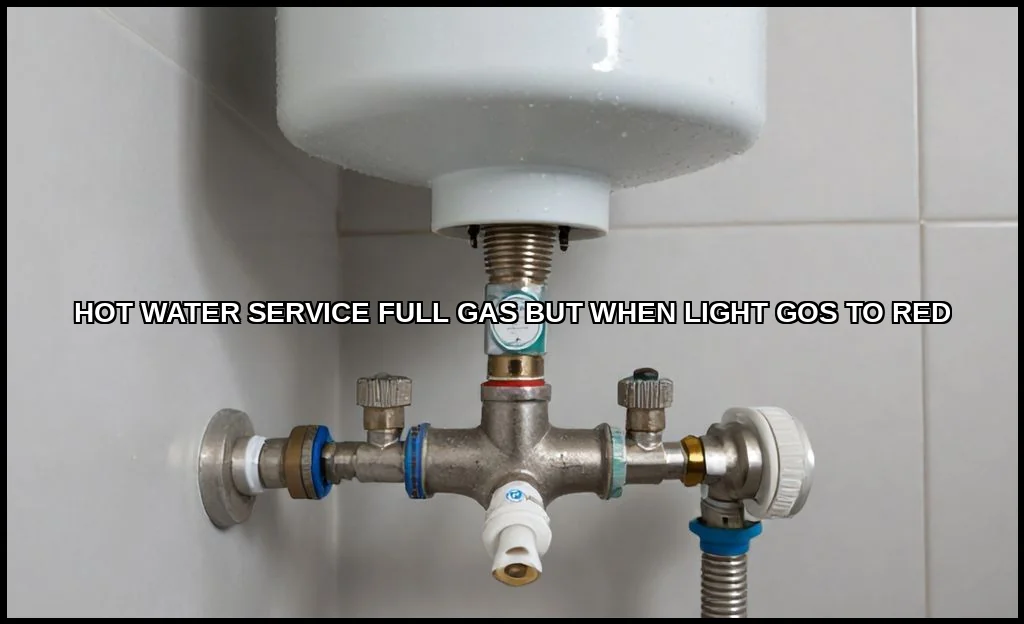
Understanding Your Hot Water System’s Indicator Lights
Think of the lights on your unit as a simple diagnostic dashboard. A steady green light typically means all systems are operational. A flashing or solid red light, however, indicates an active error code or safety lockout. Your specific model’s manual is the best reference, but a red light universally points to a disruption in the ignition sequence or a critical safety sensor being triggered.
This is your system protecting itselfand your home. It won’t allow gas to flow if it cannot verify a stable, lit pilot or if a component like the thermocouple fails. Ignoring a hot water heater red light and repeatedly trying to relight the pilot can be unsafe. The system is telling you it needs attention first.
Common Causes: Why the Pilot Light Goes to Red
So, your hot water service light red. What’s the likely culprit? The problem usually stems from one of a few key components. Let’s break them down.
The Thermocouple: A Small Part with a Big Job
This is the most frequent offender in gas hot water pilot light out scenarios. The thermocouple is a safety sensor that sits in the pilot flame. Its job is simple: detect heat and prove the pilot is lit. If it’s faulty, dirty, or misaligned, it won’t generate the millivolt signal needed to keep the gas valve open. The valve shuts, the pilot goes out, and the red light comes on. A thermocouple fault is a classic reason for a hot water system not working despite having gas.
Issues with the Gas Valve or Supply
Sometimes the problem is upstream. A malfunctioning gas control valve may not open properly, or it could receive an erroneous signal from another sensor. Other times, the issue is simpler: a partially closed gas isolation valve, an empty propane tank, or a temporary interruption in the municipal supply. Always check the obvious first before assuming a major component failure.
Draft, Downdraft, and Air Supply Problems
Your water heater needs proper ventilation. A strong downdraft from a newly installed chimney cap or a blocked flue can blow out the pilot light. Similarly, a lack of combustion air in a tightly sealed utility room can cause problems. This is a nuanced issue often overlooked during basic hot water unit troubleshooting.
Step-by-Step Troubleshooting Guide
Safety first. If you smell gas at any point, do not attempt to light the pilot. Leave the area and call your gas company immediately. For standard hot water red light flashing or solid light issues, follow these steps.
- Check the Basics. Verify your gas supply is on. Ensure the water heater’s gas valve is in the “ON” position. Look for any visible error codes on digital displays.
- Inspect the Pilot Assembly. Look through the viewport. Is the pilot lit? If it’s out, you’ll need to follow your unit’s specific relighting instructions. This often involves turning the knob to “PILOT,” pressing it down to release gas, and using a long lighter to ignite it.
- Evaluate the Thermocouple. If the pilot lights but won’t stay lit when you release the knob, the thermocouple is suspect. Ensure it is fully inserted into its bracket and that the tip is sitting directly in the pilot flame. A corroded or sooty thermocouple often needs replacement.
- Reset the System. Some models have a reset button (often a red button near the thermostat). Pressing it can clear a temporary lockout. For others, turning the gas knob to “OFF” for five minutes before attempting to relight acts as a reset.
This process addresses the core question: how to fix red light on hot water system? But what if it doesn’t work?
When to Call a Professional Hot Water Service
DIY has its limits. If your pilot still won’t stay lit after cleaning and realigning the thermocouple, the component itself is likely faulty and requires replacement. This is a common job for a hot water repair service. More seriously, if you hear a clicking (the igniter trying) but get no flame, or if the gas valve itself seems defective, professional intervention is non-negotiable.
is a red light on hot water heater dangerous? The light itself is not dangerous; it’s a warning. The potential danger lies in forcing the system to work incorrectly or ignoring underlying gas leaks. A certified technician has the tools to diagnose a water heater error code accurately, test gas pressure, and replace valves safely. They can also advise if a repair is cost-effective versus replacing the unit with a good brand known for durability.
Preventative Maintenance to Avoid Future Issues
An annual check-up can prevent most red-light emergencies. A technician will clean the burner and pilot assembly, check the thermocouple output, inspect the flue for blockages, and test the pressure relief valve. This proactive approach is far cheaper than an emergency call on a cold Sunday.
For those considering a new installation, exploring high-efficiency options like a Navien tankless unit can be a wise long-term investment. Tankless systems eliminate the pilot light entirely, removing a common point of failure. Regardless of your system type, understanding its basic operation is empowering. The U.S. Department of Energy offers an excellent authority guide on water heating efficiency and maintenance that’s worth reviewing.
Making Sense of Persistent Problems
Sometimes, a problem like hot water service full gas but no hot water points to issues beyond the pilot. Sediment buildup in the tank can cause overheating and premature shutdowns. A failing temperature sensor can send false signals. These are complex diagnostics that underscore why professional expertise is valuable. They look at the whole system, not just the symptom.
That stubborn red light is a message, not a mystery. It typically points to a failed thermocouple, a gas valve issue, or an airflow problem. Simple troubleshooting can sometimes resolve it. But when in doubt, call a pro. Your safety and a reliable supply of hot water are worth the investment. Regular maintenance is the best strategy to keep the lights green and the water flowing.

I am a mechanical engineer and love doing research on different home and outdoor heating options. When I am not working, I love spending time with my family and friends. I also enjoy blogging about my findings and helping others to find the best heating options for their needs.
Related guides

GFCI Protection for Basement Water Heaters: NEC Rules Explained
Residential hot water heaters in basements typically do not require GFCI protection unless located near a sink or…
Rheem Water Heater Freeze Protection Kit for Outdoor Use Review
Protect your Rheem water heater from freezing this winter with the reliable freeze protection kit designed for outdoor…
How to Prevent Electric Shocks From Water Heaters
To prevent electric shocks in a water heater, ensure proper grounding, use a GFCI outlet, and regularly inspect…
