

Maintaining a comfortable home temperature between 68-72°F promotes health by enhancing sleep quality, boosting productivity, and reducing respiratory issues.
Maintaining proper home temperature is crucial for health, comfort and energy efficiency. The ideal range of 68-76°F (20-24°C) recommended by OSHA and ASHRAE balances these factors while preventing heat-related illnesses.

Viproud
Viproud No-Touch Thermometer for Kids and Adults,…
- ✅Second Medical Accuracy: Hospital-grade infrared technology delivers precise readings (±0.4℉) in just one second. Non-contact des…
- ✅Color-Ring Health Alerts: Instant visual guidance: Green (Normal: <99.3°F), Orange (Mild Fever: 99.3-100.3°F), Red (High Fever: >…
- ✅Dual-Sensor Smart System: Combines infrared thermometer with targeting beam to maintain optimal 1.5-inch measurement distance. Me…
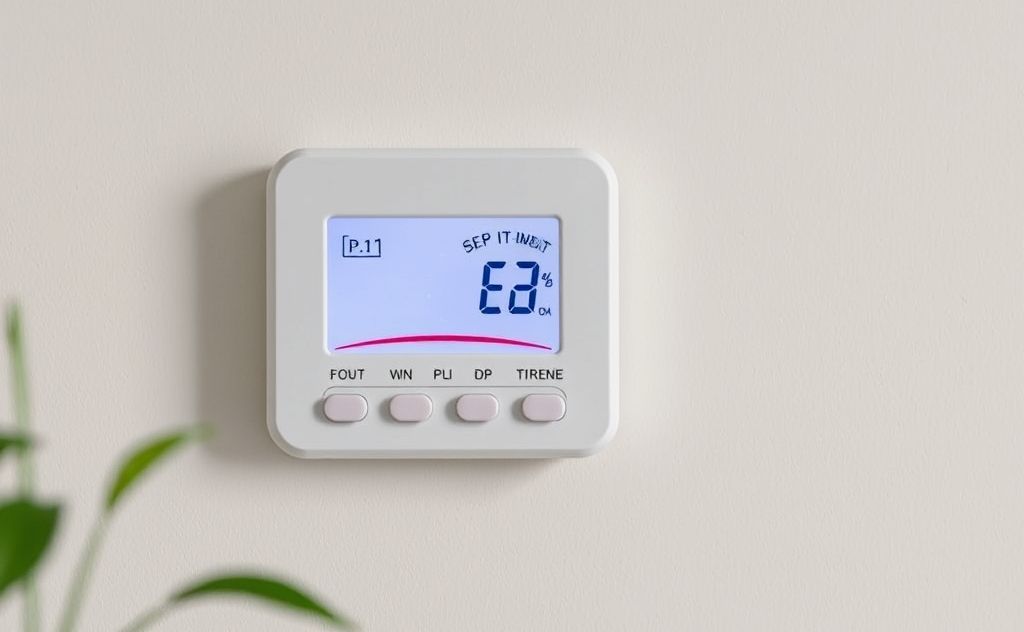
Why Temperature Regulation Matters
Extreme temperatures can cause serious health issues:
- Heat exhaustion and heat stroke above 82°F (28°C)
- Increased respiratory problems in cold temperatures
- Worsened arthritis symptoms in cold environments
- Sleep disruption outside the 60-67°F (15-19°C) range
Health Risks of High Temperatures
California’s new indoor heat protection standard requires workplace cooling measures when temperatures exceed 82°F. Similar precautions should be taken at home:
| Temperature | Health Risk Level |
|---|---|
| Below 68°F (20°C) | Low risk (may cause discomfort) |
| 68-76°F (20-24°C) | Optimal comfort range |
| 77-81°F (25-27°C) | Moderate risk (fatigue possible) |
| 82°F+ (28°C+) | High risk (heat illness possible) |
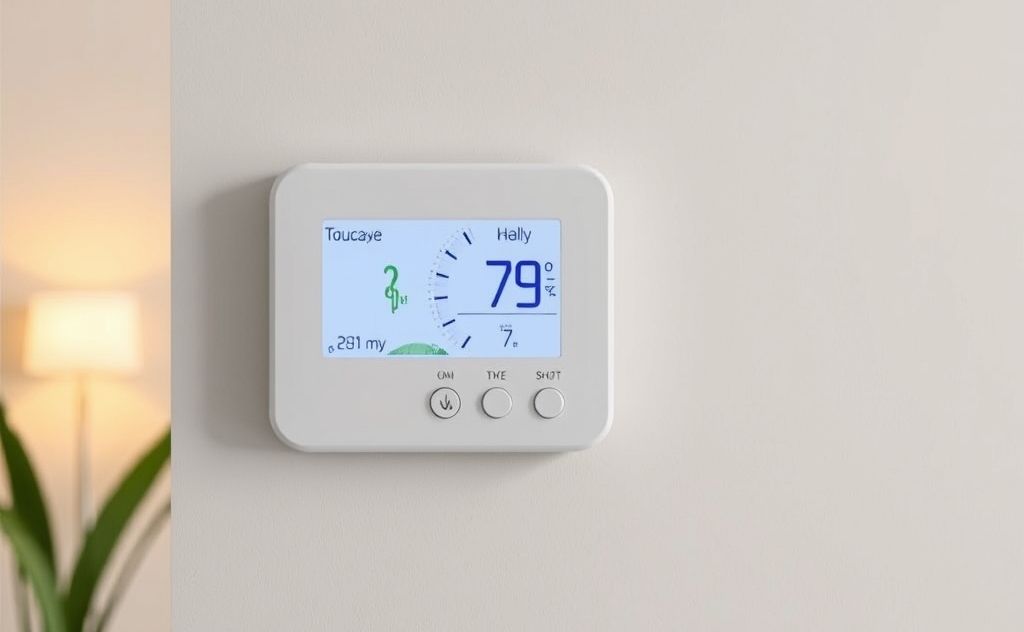
Smart Temperature Control Solutions
Efficient Heating Options
For maintaining comfortable temperatures in winter:
- Electric heaters with wood stove aesthetics provide warmth and style
- Programmable thermostats maintain ideal temperatures automatically
- Zoned heating systems allow different temperatures in each room
Cooling Strategies
For hot summer months:
- Ceiling fans can make rooms feel 4°F cooler
- Blackout curtains block heat from sunlight
- Whole-house fans cool effectively at night
Special Considerations
For Vulnerable Populations
Infants, elderly, and those with chronic illnesses need special attention:
- Keep nurseries at 68-72°F (20-22°C)
- Elderly may prefer slightly warmer temperatures (72-75°F)
- Asthma sufferers benefit from stable humidity (30-50%)
Sleep Temperature
The National Sleep Foundation recommends:
- 60-67°F (15-19°C) for optimal sleep
- Use breathable bedding materials
- Consider low-wattage heaters for bedroom use
Energy Efficiency Tips
Balance comfort with energy savings:
- Lower thermostat 7-10°F for 8 hours daily saves 10% on bills
- Smart thermostats learn your schedule for automatic adjustments
- Proper insulation maintains temperatures with less energy use
According to OSHA guidelines, maintaining proper indoor temperatures isn’t just about comfort – it’s an important health consideration that affects productivity, sleep quality, and overall wellbeing.
Related pick: Check today's price on Amazon

I am a mechanical engineer and love doing research on different home and outdoor heating options. When I am not working, I love spending time with my family and friends. I also enjoy blogging about my findings and helping others to find the best heating options for their needs.
Related guides

Smart Home Temperature Regulation for Every Season
Home temperature regulation varies by season, requiring efficient heating in winter and cooling in summer to maintain comfort…
How To Improve Home Temperature Sensors for Better Comfort
To improve home temperature sensors, regularly calibrate them, ensure proper placement away from heat sources, and consider upgrading…
Smart Ways to Maintain Perfect Home Temperature Year-Round
To set a consistent home temperature, use a programmable thermostat to schedule heating and cooling, ensuring comfort while…
