How to Choose and Install an Expansion Tank for Your Hot Water Heater
On this page 6 sections
- Expansion Tank for Hot Water Heater: What It Is and How It Works
- How to Choose the Right Size Expansion Tank for Your Water Heater
- Where and How to Install an Expansion Tank on Your Water Heater
- How Expansion Tanks Work with Safety Devices and Plumbing Components
- Maintaining and Troubleshooting Expansion Tanks and Relief Valves
- More Questions, Answered
Say your 50-gallon water heater heats water from 50°F to 120°F. The water expands by about half a gallon, raising pressure in your plumbing if nowhere to go. Without an expansion tank, this pressure can stress pipes and cause leaks. Adding the right-sized expansion tank prevents this pressure spike, protecting your system and extending its life.
Expansion Tank for Hot Water Heater: What It Is and How It Works
An expansion tank for a hot water heater is a small, pressurized tank that absorbs the extra water volume created when the heater warms water. This tank prevents pressure buildup that can damage your water heater and plumbing.
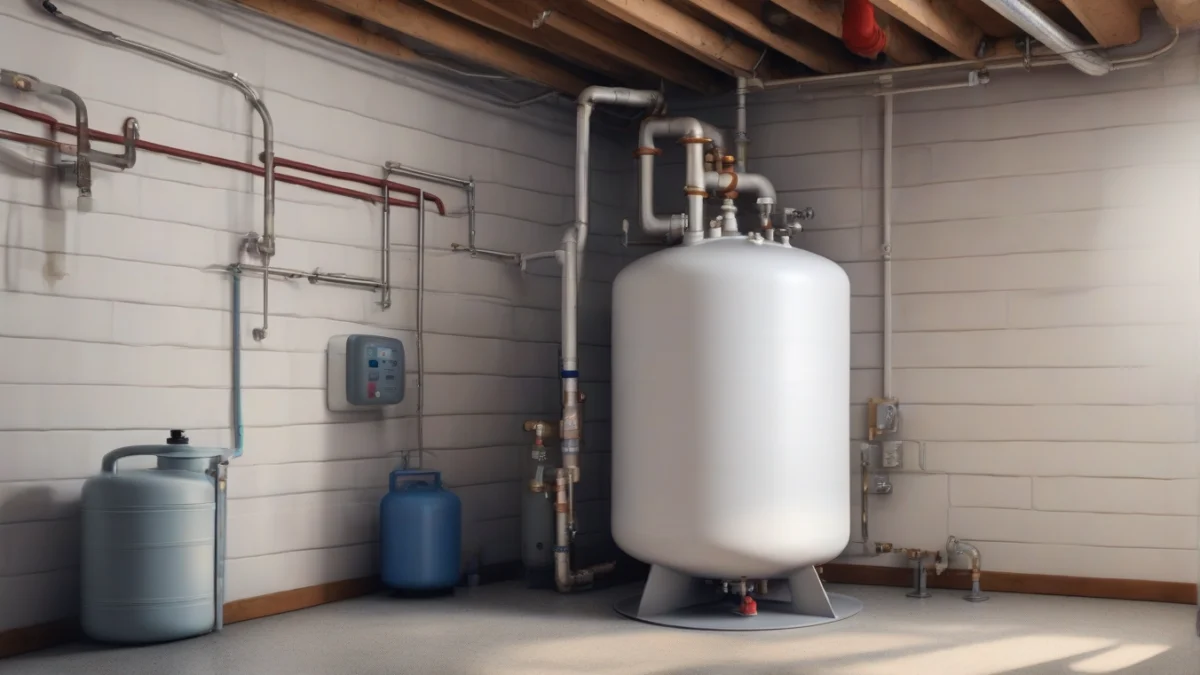
Water expands when heated—about half a gallon from 70°F rise in a typical 40-gallon tank. In a closed plumbing system, that expansion has nowhere to go, raising pressure sharply.
Your hot water heater is equipped with a pressure relief valve set around 150 PSI to prevent tank rupture. But relief valves can stick or fail, risking leaks or bursts.
A thermal water heater expansion tank installation adds a cushion of air separated by a diaphragm inside the tank. When water expands, the excess volume pushes into this tank, compressing the air and keeping pressure stable.
This protects your water heater, pipes, fittings, and valves by preventing repeated pressure spikes that cause stress and leaks over time. Without an expansion tank, the relief valve may cycle more often, shortening its life and risking water damage.
Expansion tanks attach near the water heater’s cold water inlet, before any check valves or backflow preventers that create a closed system. That placement ensures expanded water has a safe space to go inside your home plumbing.
How to Choose the Right Size Expansion Tank for Your Water Heater

To choose the correct size for a thermal expansion tank, start by calculating how much your water expands when heated. The expansion volume depends on your water heater’s capacity and the temperature increase.
Sizing an expansion tank depends on your water heater’s capacity, the temperature increase, and the system pressure. For example, a 40-gallon tank heated from 50°F to 120°F expands water volume by about half a gallon. You match that expansion volume to the tank’s air chamber to prevent pressure spikes. The tank’s specifications usually include recommended water heater sizes or expansion volumes. If your system has a check valve or pressure-reducing valve, an expansion tank is essential to absorb the increased pressure from thermal expansion.
Match the expansion tank’s rated volume to the calculated expansion. Tanks come sized by their internal water capacity and pre-charged air pressure, typically set to match household water pressure.
The pre-charge pressure inside the expansion tank should match your home’s water pressure (usually 40 to 60 PSI) for proper operation. You can check or adjust this with a standard air pressure gauge and pump before installation.
| Water Heater Size (gallons) | Recommended Expansion Tank Size (gallons) |
|---|---|
| 20–30 | 2 |
| 40–50 | 2.5–3 |
| 50–80 | 3–5 |
| 80+ | 5+ |
Smaller heaters need smaller expansion tanks since less water expands. For example, a 30-gallon heater only needs about a 2-gallon expansion tank, while an 80-gallon heater requires 5 gallons or more.
If your water heater temperature is set above 125°F, thermal expansion increases, so you might size up the tank to handle the extra volume safely.
Correct sizing ensures the expansion tank absorbs pressure spikes efficiently without cycling too often or wearing out prematurely. Oversized tanks work but cost more and take more space; undersized tanks risk pressure buildup and relief valve trips.
After sizing, confirm the tank’s pre-charge pressure matches your system, then install it near the cold water inlet, before any check valves that trap pressure inside the home plumbing.
Choosing the right size and pre-charge pressure ensures your water heater expansion tank sizing protects your system effectively.


Where and How to Install an Expansion Tank on Your Water Heater
Install the expansion tank on the cold water line feeding the water heater, as close to the inlet as possible. This placement ensures it absorbs pressure changes before water enters the tank. Mount it with the tank’s air bladder oriented vertically to maintain proper operation. Use a tee fitting to connect the tank without restricting flow. If your plumbing uses flexible connectors or CPVC, ensure you follow manufacturer instructions for secure and code-compliant installation. Avoid placing the tank downstream of a check valve or pressure-reducing valve, as this can trap pressure and cause damage.

Avoid placing the expansion tank downstream of check valves or backflow preventers, including those in the meter pit. These devices trap expanded water between them and your water heater, causing pressure to rise inside the closed loop. The expansion tank must be on the inlet side of these valves to relieve pressure effectively.
Mount the tank horizontally or vertically, depending on your space, but secure it firmly to a wall or ceiling joist with a suitable bracket or strap. The tank weighs several pounds full of water, so it needs solid support to prevent strain on the piping. Position the tank so you can reach the air valve for pressure checks and maintenance.
Use flexible piping or a short length of flexible hose between the expansion tank and the cold water line to reduce vibration and noise, especially with heat pump water heaters. Flexible connections ease installation in tight spots and prevent stress on the tank’s threaded connection.
- Turn off the water supply and drain some water from the cold water line to reduce pressure.
- Install a tee fitting on the cold water inlet pipe near the water heater.
- Screw the expansion tank onto the tee’s side outlet using pipe thread sealant or Teflon tape to ensure a watertight seal.
- Support the tank bracket securely to a nearby wall stud or framing member.
- Turn the water back on and check for leaks.
- Check the expansion tank’s air pressure with a tire gauge; adjust if necessary to match your home’s water pressure, usually around 40 PSI.
 Water Heater Owner's ToolkitFix the common faults yourself, keep it running for years, and know when a repair is money wasted.No-hot-water flowcharts, gas and electricFlush, anode, relief valve and descaling stepsRepair-or-replace calculator (Excel)
How Expansion Tanks Work with Safety Devices and Plumbing Components
Pressure relief valves on hot water tanks are set to open at about 150 PSI to prevent tank rupture by releasing water if pressure gets dangerously high. However, they don’t stop pressure from building up; they only act as a last resort safety device.
Check valves and backflow preventers, like those in the meter pit, create a closed system by stopping water from flowing back to the main supply. This containment causes thermal expansion pressure to rise inside your plumbing, making an expansion tank necessary to absorb that extra volume.
Pressure relief valves are set to open at around 150 PSI to prevent dangerous pressure buildup. However, they can fail or become clogged over time. An expansion tank provides a buffer for thermal expansion, reducing how often the relief valve activates and extending its service life. Check valves in the service line or meter pit prevent backflow but can trap expanded water, making the expansion tank necessary to protect plumbing and fixtures.
Local plumbing codes often require thermal expansion tanks when a backflow prevention device or check valve is installed on the water supply line. These codes ensure your system safely manages pressure and protects plumbing components. Check your jurisdiction’s rules, as requirements vary widely.
Installing the expansion tank in the correct water heater expansion tank location—on the cold water line before any check valves—complements your pressure relief valve by controlling pressure rise during normal heating cycles, reducing frequent relief valve discharge and extending its lifespan.
Without an expansion tank, pressure relief valves can become the only defense, increasing wear and the chance of leaks or failure. Expansion tanks manage pressure quietly and efficiently, preserving your water heater and plumbing integrity over time.
Consult local codes for thermal expansion tank requirements to ensure your installation complies and your system operates safely and effectively.
Maintaining and Troubleshooting Expansion Tanks and Relief Valves
Maintenance keeps your thermal expansion tank and pressure relief valve working reliably, preventing costly or dangerous failures.
Check the air charge in your expansion tank with a tire pressure gauge at least once a year. The air side should match your home’s water pressure, usually 40 to 60 PSI. If air pressure is low, use a hand pump to add air with the tank drained or isolated. A tank without proper air charge cannot absorb expansion, causing pressure spikes.
Signs of waterlogging or diaphragm failure include a tank that feels heavy and cold all over or a pressure relief valve that frequently leaks or discharges water. Waterlogged tanks have lost their air cushion, making them ineffective. If your tank has these symptoms, it needs replacement.
Inspect the pressure relief valve regularly for leaks or corrosion. A small drip can indicate valve failure or excessive system pressure. Test the valve by lifting its test lever briefly to release water and ensure it reseats properly. Never cap or plug a leaking or faulty pressure relief valve—replace it promptly.
Thermal expansion tanks typically last 5 to 10 years depending on water quality and usage. Replace tanks showing rust, leaks, or irreparable diaphragm damage. Pressure relief valves have similar lifespans but may require earlier replacement if they leak or fail testing.
Leaks from the pressure relief valve are common early warning signs of excessive pressure buildup or valve wear. Frequent discharge might signal a missing or failed expansion tank or a check valve blocking backflow. Confirm your system setup and fix any underlying problems before replacing the valve alone.
If your expansion tank or relief valve shows persistent problems, call a licensed plumber. Proper maintenance protects your water heater and plumbing system from pressure damage and extends their service life.


