

Yes, solar heaters require regular maintenance, including cleaning the panels and checking for leaks or system performance to ensure optimal efficiency.
Solar water heating systems provide an eco-friendly way to generate hot water using free solar energy. While they require less maintenance than conventional water heaters, some periodic care is essential for optimal performance and longevity.

SolarPoolSupply
Industrial Grade Solar Pool Heater DIY Kit…
- TECHNOLOGICALLY ADVANCED DESIGN - SwimJoy's technologically advanced design makes it one of the most durable, efficient, & longest…
- MAXIMUM EFFICIENCY – SwimJoy’s unique, specialized square header, along with its open flow design, maximize flow, increase efficie…
- SUPERIOR DURABILITY - SwimJoy solar pool heater panels are constructed from a patented process whereby the headers and risers beco…
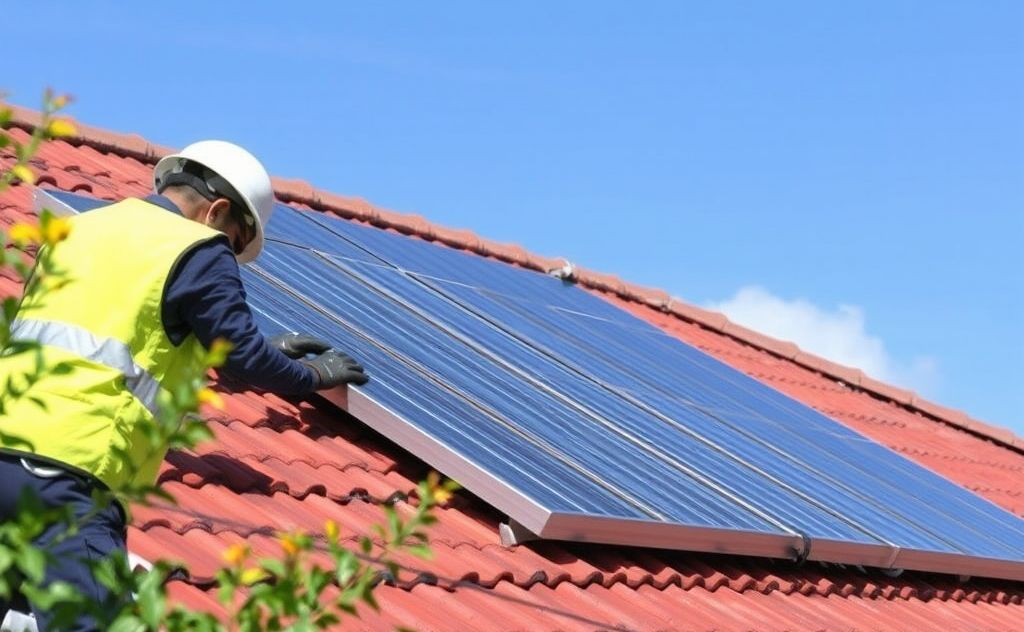
How Often Do Solar Heaters Need Maintenance?
Most solar water heating systems need basic maintenance checks 1-2 times per year. The exact frequency depends on:
- System type (active vs. passive)
- Local climate conditions
- Water quality
- Manufacturer recommendations
Active systems with pumps and controls typically require more frequent checks than passive systems. For example, XtremepowerUS solar pool heaters with circulation pumps need annual servicing.
Basic Maintenance Tasks
Visual Inspections
Conduct these checks quarterly:
- Look for collector shading from vegetation or new construction
- Check for cracks in glazing or degraded seals
- Inspect roof penetrations for leaks
- Verify mounting hardware is tight
Annual Maintenance
More thorough annual maintenance should include:
| Component | Check |
|---|---|
| Collectors | Clean surface, check for damage |
| Piping | Inspect insulation, look for leaks |
| Storage Tank | Flush sediment, check anode rod |
| Controls | Test sensors and pump operation |
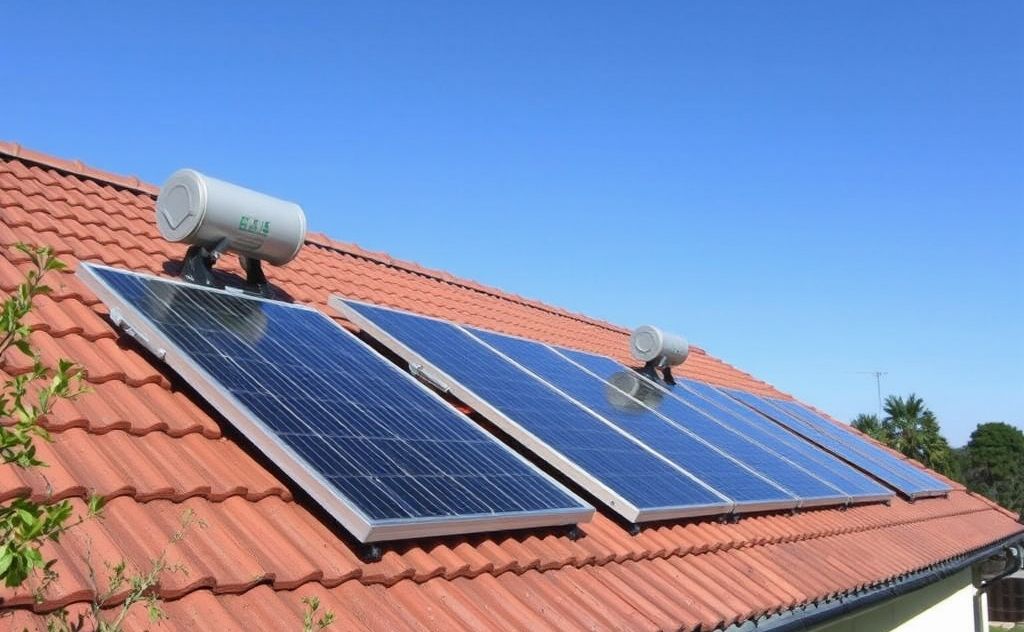
Critical Maintenance for Different System Types
Active Systems
Active solar water heaters with circulation pumps require:
- Pump performance checks
- Controller testing
- Heat transfer fluid replacement every 3-5 years
According to U.S. Department of Energy, glycol solutions in closed-loop systems should be tested annually for proper pH and freeze protection.
Passive Systems
Passive systems like thermosyphon designs need:
- More frequent tank inspections
- Regular checks for mineral buildup
- Valve operation verification
Preventing Common Problems
Scaling and Corrosion
Hard water areas require special attention:
- Descale heat exchangers every 3-5 years
- Use water softeners if needed
- Check sacrificial anode rods annually
Freeze Protection
In cold climates:
- Ensure proper antifreeze concentration
- Check freeze protection valves
- Consider upgraded thermostat controls for better freeze protection
When to Call a Professional
While homeowners can handle basic maintenance, these tasks require a qualified technician:
- Roof work on collectors
- Electrical repairs
- Refilling glycol systems
- Major component replacements
For complex systems like those described by the DOE, professional maintenance ensures safety and proper operation.
Related pick: Check today's price on Amazon

I am a mechanical engineer and love doing research on different home and outdoor heating options. When I am not working, I love spending time with my family and friends. I also enjoy blogging about my findings and helping others to find the best heating options for their needs.
Related guides
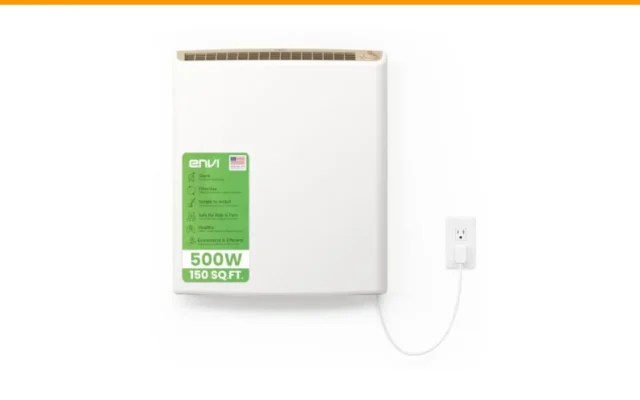
3 Best Electric Heaters for Solar Panel Systems (2026)
You've done the math on solar panels, crunched the payback period, and maybe even watched your meter spin…
How Solar Water Heaters Work & Save You Money
Harnessing the sun's energy for hot water isn't new technology. It's a beautifully simple application of solar thermal…
Can Solar Heaters Provide Year-Round Heating? The Truth
Yes, solar heaters can provide year-round heating, especially in sunny climates, by utilizing solar energy to heat water…
