

Get this wrong, and you’re either wasting money on unnecessary upgrades or breathing the same stale air all winter. Most homes have HVAC systems that only recirculate indoor air, not fresh air from outside. If you want better ventilation, you’ll need to check your setup and possibly add a dedicated intake or ventilator.
How HVAC Systems Handle Outside Air
Most HVAC systems do not take in outside air for indoor ventilation. Instead, they recirculate the air already inside your home. The outdoor condenser unit pulls air from outside, but only to cool the refrigerant; this air does not enter your living space. Fresh air is brought in only if your system has a dedicated intake or ventilation feature separate from the main HVAC airflow.
A typical split system draws room air through the return duct, passes it across the indoor evaporator coil or heat exchanger, filters it, and sends it back through the supply ducts. The compressor and outdoor condenser reject that captured heat outdoors. Outside air is doing a job at the condenser, while your living room air makes the loop again. HVAC terminology can be surprisingly committed to making two separate air paths sound like one.
| Part of the system | Air it handles | Job |
|---|---|---|
| Return vents and indoor unit | Indoor air | Filter, cool or heat the air, then send it back inside |
| Supply ducts | Conditioned indoor air | Deliver air to rooms |
| Outdoor condenser | Outside air | Remove heat from the refrigerant |
| Fresh air intake, if installed | Outside air | Bring ventilation air into the ductwork |
The outdoor condenser unit is designed to pull air from outside to cool the refrigerant by releasing heat. This air passes over the condenser coils but does not enter your home’s ductwork or living spaces. Blocking this intake reduces airflow, forcing the system to work harder and lowering efficiency.
Recirculation is common because conditioning outdoor air takes extra energy. In winter, a furnace must warm cold incoming air; in summer, an air conditioner must cool and dehumidify hot, humid air. Keeping already-conditioned air in the loop usually costs less and holds a steadier indoor temperature, provided the home has another way to replace stale air.
Conditions That Cause HVAC Systems To Bring In Outside Air
An HVAC system brings in outside air when a separate intake, ventilation unit or built-in ventilation setting is designed to do so. Standard residential central air usually recirculates indoor air, while ERVs, HRVs, commercial air handlers and some upgraded homes exchange indoor and outdoor air. The thermostat’s fan setting alone doesn’t prove that fresh air is entering.

| System type | Outside air behavior | What to expect |
|---|---|---|
| Standard residential split system | Usually no indoor intake | Return vents recirculate room air; the condenser uses outdoor air separately |
| Fresh-air intake on ductwork | Yes | A dedicated duct brings measured outdoor air into the return or supply side |
| ERV or HRV | Yes | Ventilation ducts exchange stale indoor air and outdoor air while transferring some heat |
| Commercial HVAC | Often yes | Outdoor-air dampers and exhaust systems are commonly part of the design |
| Window air conditioner | Model-dependent | A vent or fresh-air control may admit outdoor air; recirculation may be the default |
Central air conditioners and heat pumps mainly use indoor air drawn through return vents to cool or heat your home. They do not mix outside air into the supply air unless a separate fresh air intake or ventilation system is installed. Heat pumps can sometimes use geothermal or cooler air sources, but this is distinct from pulling outside air directly into the living spaces.
Window units are a small exception. Some have a vent setting that admits outdoor air, while others only recirculate the room air; check the control panel and manual rather than assuming the unit ventilates. Older homes may also use wall vents, window vents or manually operated openings that supply outdoor air independently of the central HVAC system.
A furnace can use outside air for combustion without bringing that air into your living space. A sealed-combustion or direct-vent furnace may draw combustion air through a dedicated pipe, then send exhaust outdoors; the heated room air can still be fully recirculated. Ventilation supply and exhaust fans are a separate arrangement: a balanced system can bring outdoor air in while exhausting an equal stream of stale indoor air.
How Fresh Air Intakes and ERVs Work in HVAC
Fresh air intakes are separate openings or ducts designed to bring outside air into the HVAC system for ventilation. They often include filters and dampers to control airflow and maintain indoor air quality. Energy Recovery Ventilators (ERVs) exchange stale indoor air for fresh outdoor air while recovering heat or humidity, improving efficiency and comfort.
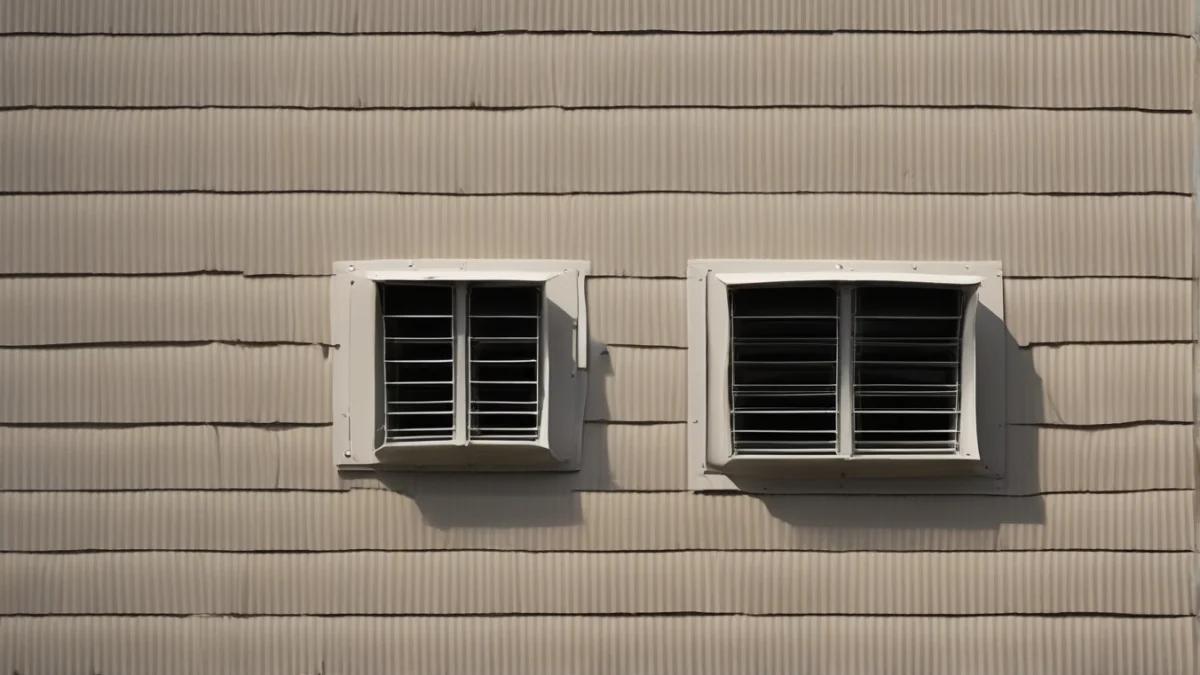
An ERV, or Energy Recovery Ventilator, uses two fans and a heat-exchange core: stale indoor air leaves through ventilation ductwork while filtered outdoor air enters, and the outgoing air tempers the incoming stream without mixing the two airstreams. An HRV transfers heat but little moisture; an ERV also transfers some moisture, which can help in climates with very dry winters or humid summers. Both can connect to dedicated room vents or to the central HVAC ductwork.
Blending outside air gives you dilution of odors, cooking byproducts and indoor pollutants, but the air still needs filtration and sensible control. Hot, cold, humid, smoky or polluted outdoor air can worsen comfort and indoor air quality if the intake runs during the wrong conditions. Use the ventilation control’s recirculate, off or low setting during poor outdoor air quality if your system provides one; don’t close a damper that the manual says must remain open.
| System | What enters the house | Main trade-off |
|---|---|---|
| Fresh-air intake | Outdoor air mixed with return air | Adds ventilation load for the furnace or heat pump |
| ERV | Outdoor air tempered while moisture is partly exchanged | Needs filters, fans and a clean core |
| HRV | Outdoor air tempered mainly by heat exchange | Can dry indoor air in cold weather |
How to Check or Upgrade Your HVAC for Fresh Air Intake
To find out if your HVAC brings in outside air, look for a dedicated duct, screened wall hood or labeled damper connected to the indoor air handler—not merely the outdoor condenser. The condenser’s grille is for rejecting heat, and its air doesn’t enter your rooms.
If you want to upgrade your system for fresh air intake, consider installing an ERV or a dedicated ventilation system. These devices connect to your existing ductwork and bring in filtered outside air while recovering heat to reduce energy costs. Professional assessment is recommended to size and configure these systems properly.
Systems designed for better fresh-air ventilation include air handlers paired with ERVs or HRVs and equipment with a manufacturer-approved outdoor-air port. Check the model installation manual or have a contractor verify compatibility before buying, because a standard split system may cool and heat well while offering no dedicated ventilation path.
What To Do Next: Steps for Your Situation
If your house doesn’t have an outside-air supply, that’s usually okay: most central HVAC systems recirculate indoor air, while the outdoor condenser uses outside air only to release heat. A central AC doesn’t normally bring outdoor air inside.
Blocking the outdoor condenser unit’s air intake reduces airflow, causing the compressor to work harder and lowering system efficiency. Keep the area around the unit clear of debris, snow, or plants to ensure proper ventilation and prevent premature wear.
Frequently Asked Questions
How can I tell if my HVAC system brings in outside air?
Does my central air conditioner recycle air or bring in fresh air?
Can I add a fresh air intake to my existing HVAC system?
Will bringing in outside air increase my heating or cooling bills?
What is the difference between an ERV and a standard fresh air intake?
Is it safe to run my HVAC with outside air during poor air quality days?

I am a mechanical engineer and love doing research on different home and outdoor heating options. When I am not working, I love spending time with my family and friends. I also enjoy blogging about my findings and helping others to find the best heating options for their needs.
Related guides
Advanced HVAC Temperature Control: Smart Systems & Sensors
Advanced temperature control in HVAC systems utilizes smart thermostats and sensors to optimize energy efficiency and maintain consistent…
Mastering HVAC Temperature Control in Large Spaces
Effective HVAC temperature control for large spaces involves zoned systems, programmable thermostats, and proper insulation to ensure consistent…
HVAC Cost for 1200 Sq Ft House: 2026 Pricing Guide
The average HVAC cost for a 1200 sq ft house ranges from $3,500 to $7,500, depending on the…
