

No, you cannot vent a gas stove with a microwave, as they serve different purposes and require separate ventilation systems for safety and efficiency.
Many homeowners wonder if they can use a microwave’s built-in venting system for their gas stove. While microwave hood combos exist, they often fall short of proper ventilation requirements for gas ranges. This guide explains why dedicated range hoods are superior and what codes require for safe gas stove ventilation.

GE
GE 30" Over-the-Range Microwave, 1.6 Cu. Ft.,…
- 1.6 cu ft capacity - 1000 Watts. Convenience cooking controls, operating made quick and easy
- Charcoal filter replacement for microwaves with behind the door grille - easily install your new charcoal odor filter
- Auto and time defrost - defrosting times and power levels are programmed automatically or manually for optimal results
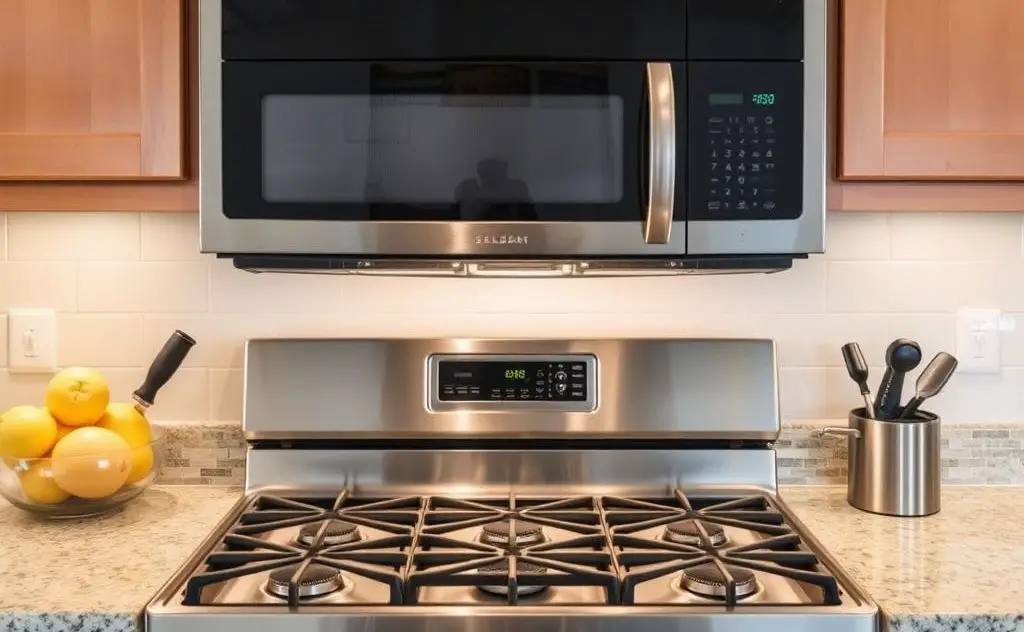
Why Microwaves Make Poor Ventilation for Gas Stoves
Microwave hood combinations attempt to serve two purposes but excel at neither. Here’s why they’re inadequate for gas stoves:
1. Insufficient Airflow Capacity
Most microwave vents provide 150-400 CFM (cubic feet per minute), while gas stoves often need 600+ CFM for proper ventilation. High-BTU gas burners produce more combustion byproducts and grease that require powerful extraction.
2. Improper Positioning
Building codes typically require 24-30 inches between gas burners and overhead cabinets. Microwaves installed at standard heights (18 inches) sit too low, creating fire hazards and poor capture of rising smoke/grease.
3. Limited Coverage Area
Microwave vents are narrow and often fail to cover outer burners. A proper range hood extends 3 inches beyond cooktop edges for complete coverage.
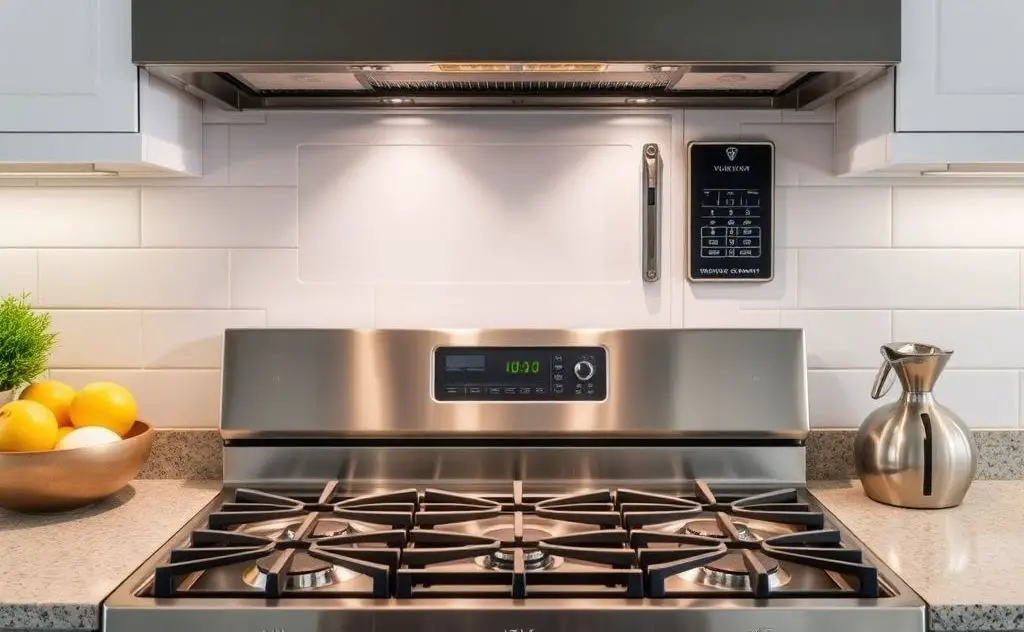
Gas Stove Ventilation Requirements
Safety standards strictly govern gas stove installations:
| Feature | Minimum Requirement |
|---|---|
| Clearance to combustibles | 30 inches (unless using heat shield) |
| Hood width | Equal to or wider than cooktop |
| Venting capacity | 100 CFM per 10,000 BTUs of burner capacity |
Code Exceptions
Some jurisdictions allow reduced clearances (24 inches) when using heat shields or certified low-clearance appliances. Always check local building codes.
Superior Alternatives to Microwave Venting
1. Wall-Mounted Range Hoods
These provide the strongest ventilation with 600-1200 CFM models available. Professional-style hoods offer best performance for frequent cooking.
2. Under-Cabinet Hoods
Space-saving options that mount beneath cabinets. Look for models with at least 400 CFM for gas ranges.
3. Downdraft Systems
Ideal for island installations, these retractable vents pull air downward through the counter.
Microwave Placement Solutions
If you must keep your microwave near the stove:
- Install a proper range hood first
- Place microwave at least 30 inches above burners
- Consider a built-in microwave in lower cabinets
- Use a microwave drawer in the island
According to KitchenAid’s appliance experts, “Standard hoods tend to offer higher CFM ratings than microwave hood combinations, which means they can often suck up more air per minute.”
Maintenance Considerations
Proper ventilation requires regular maintenance:
- Clean grease filters monthly
- Replace charcoal filters every 6-12 months (recirculating models)
- Inspect ductwork annually for blockages
- Wipe exterior surfaces weekly to prevent grease buildup
As noted in home improvement forums, “OTR microwaves are a past trend – don’t waste your money on one. Get a nice hood.” The small cost difference pays off in safety and performance.
Related pick: Check today's price on Amazon

I am a mechanical engineer and love doing research on different home and outdoor heating options. When I am not working, I love spending time with my family and friends. I also enjoy blogging about my findings and helping others to find the best heating options for their needs.
Related guides

Do Gas Water Heaters Use Electricity? Key Facts
No, gas water heaters primarily use natural gas or propane for heating water, but some models may require…
Top Picks for Bromic Platinum Gas Heaters That Will Transform Your Space
Are chilly evenings ruining your outdoor gatherings? The Bromic Platinum gas heaters offer a cozy solution, ensuring warmth…
Transform Your Swim Experience with These Gas Pool Heaters
Cheap gas pool heaters underperform—but Hayward W3H150FDN delivers efficiency. When it comes to heating your inground pool, choosing…
