Yes, extreme temperatures can affect eye health by causing dryness, irritation, and increased risk of conditions like conjunctivitis or corneal damage.
Your eyes are sensitive to environmental changes, especially temperature fluctuations. Both extreme heat and cold can cause discomfort, dryness, and even long-term damage if left unchecked. Understanding these effects helps you take proactive steps to protect your vision.

Icon Books
The Chilling Stars: A New Theory of…
- 'Before you make up your mind about climate change you are advised to read this controversial, compelling book' Nexus.
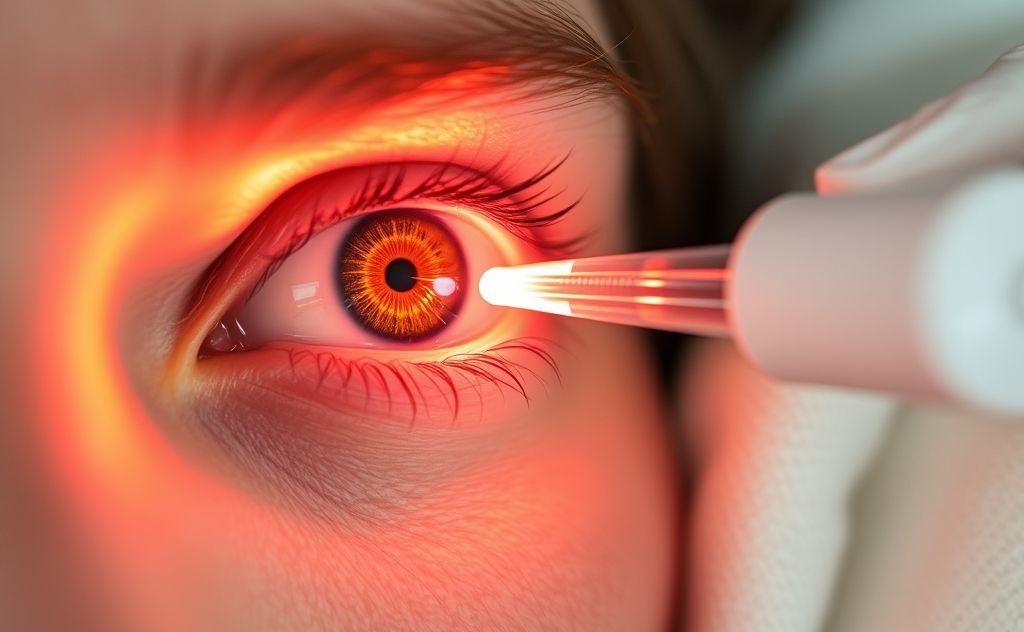
How Heat Affects Your Eyes
High temperatures accelerate tear evaporation, leaving eyes vulnerable to irritation. This is especially true in dry climates where humidity levels drop below 45%.
Key Heat-Related Eye Risks
- Increased tear evaporation leading to dry eye syndrome
- Higher UV exposure risks in summer months
- Windborne dust and debris causing corneal abrasions
A 2020 climate study found Mediterranean climates caused less dry eye than arid regions. The American Southwest showed the highest dry eye rates due to combined heat and low humidity.

Cold Weather Eye Challenges
Winter brings unique threats to eye health. Indoor heating systems can drop humidity levels to 5%, creating desert-like conditions inside your home.
Cold Temperature Effects
| Effect | Consequence |
|---|---|
| Lower humidity | Increased tear evaporation |
| Wind chill | Reflex tearing and blurred vision |
| Indoor heating | Dry eye symptoms in previously healthy individuals |
For those using indoor propane heaters, the dry air effect intensifies. These units often lack humidity controls found in central heating systems.
Seasonal Protection Strategies
Summer Eye Care
- Wear UV-blocking sunglasses
- Use preservative-free artificial tears
- Stay hydrated – aim for 8+ glasses of water daily
Winter Eye Care
- Run a humidifier near workspaces
- Position away from direct heat vents
- Consider moisture chamber glasses outdoors
For homes with precise temperature control systems, maintaining 68-72°F with 40-50% humidity creates optimal eye comfort.
When Heat Helps Eye Health
Controlled heat applications can actually improve certain conditions. Warm compresses at 104-113°F help unblock meibomian glands in dry eye patients.
Modern treatments like Lipiflow thermal pulsation use precise heat to restore natural oil production. These therapies show how properly applied heat benefits eye function.
Long-Term Climate Considerations
People in extreme climates should prioritize annual eye exams. Dry eye left untreated can lead to:
- Corneal scarring
- Increased infection risk
- Contact lens intolerance
Those using built-in gas heating systems should monitor indoor humidity levels closely, as these can dry air significantly.
Related pick: Check today's price on Amazon

I am a mechanical engineer and love doing research on different home and outdoor heating options. When I am not working, I love spending time with my family and friends. I also enjoy blogging about my findings and helping others to find the best heating options for their needs.
Related guides

How Temperature Changes Impact Joint Health and Pain
Temperature affects joint health by influencing pain sensitivity, inflammation levels, and mobility, with cold often worsening symptoms and…

How Temperature Changes Impact Hormonal Health: The Full Endocrine Picture
You step out of an air-conditioned office into 95°F heat, and within minutes your face flushes, your heart…
How Room Temperature Affects Your Health & Sleep
Think about the last time you couldn't sleep because you were too hot, or found it hard to…