Naturally Efficient: Best Window Heat Pump I’ve Ever Used!
On this page 8 sections
- Natural Gas Heaters Comparison
- Best Naturally Efficient Natural Gas Heaters for Home Use
- Choose a Natural Gas Heater That Matches Your Room Size
- Understand Efficiency Ratings and What They Mean for Your Bills
- Check Safety Features and Certifications Before You Buy
- How Resource Efficiency Influences Heater Choice
- Installation, Maintenance, and Running Costs Matter
- Questions People Ask
Choosing the right natural gas heater can save you money, improve comfort, and reduce environmental impact. Natural efficiency means using resources wisely to get maximum heat with minimum waste.
Getting this wrong can lead to high energy bills, uneven warmth, or safety risks. This guide helps you pick the right heater that balances performance, efficiency, and safety for your home.
Natural Gas Heaters Comparison
| Model | Best for | Heat output (BTU) | Energy source | Safety features | Room size suitability | Price |
|---|---|---|---|---|---|---|
| Cooper & Hunter 15,000 BTU PTAC Heater | Top Pick | 15,000 | Natural gas with electric heat pump | Digital controls, quiet operation | Residential and commercial rooms | Why it is here |
| EZ-HEAT 1,500 W Portable Space Heater | Energy Saver | — | Electric | Tip-over switch, overheat sensor | Small indoor spaces, personal heating | Why it is here |
| Ballu Mica Infrared Large Room Heater | Smart Control | — | Electric | Remote, digital panel, WiFi control | Large rooms, offices, living rooms | Why it is here |
| PELONIS 1500W Oil-Filled Radiator Heater | Quiet Comfort | — | Electric | Tip-over switch, overheat protection | Bedrooms, offices, small to medium rooms | Why it is here |
| DREO 1500W Bathroom-Safe Space Heater | Bathroom Safe | — | Electric | ALCI plug, tip-over, overheat protection | Bathrooms and small indoor spaces | Why it is here |
Best Naturally Efficient Natural Gas Heaters for Home Use

Cooper & Hunter 15,000 BTU PTAC Heater
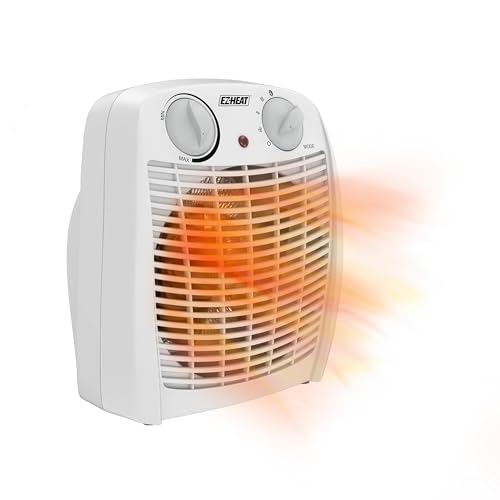
EZ-HEAT 1,500 W Portable Space Heater

Ballu Mica Infrared Large Room Heater

PELONIS 1500W Oil-Filled Radiator Heater
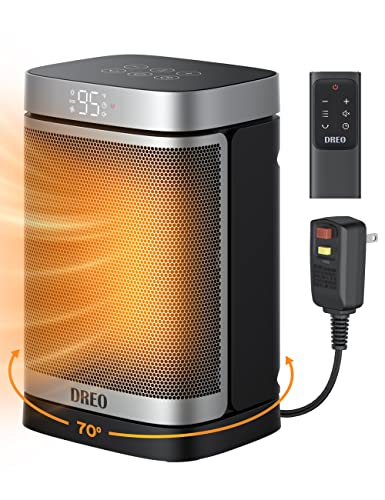
DREO 1500W Bathroom-Safe Space Heater
Choose a Natural Gas Heater That Matches Your Room Size
A natural gas heater’s BTU rating must fit your room size to heat efficiently without wasting fuel or leaving cold spots.

BTU stands for British Thermal Unit — one BTU is the heat needed to raise one pound of water by 1°F. Home heaters are rated in thousands of BTUs per hour, indicating how much heat they produce.
Oversizing a heater means it burns more gas than necessary, cycling off too soon and wasting fuel. Undersizing leaves some areas chilly because the heater can’t keep up. Either way, your running costs go up.
Heater output directly impacts your fuel bill. A 15,000 BTU heater uses roughly twice the gas of an 8,000 BTU model for the same time running. If your heater is too powerful for the room, short run cycles waste gas and wear parts faster.
The Cooper & Hunter 15,000 BTU PTAC with Heating is the best-rated naturally efficient natural gas wall heater for most homes. It balances enough power for typical rooms without being oversized, plus it includes energy-smart controls.
Among natural gas heaters, those designed for modulation and precise output adjustment rank as the most efficient. Avoid one-size-fits-all models that run full blast or off, which burn fuel less economically.
 Heating System Upgrade PlannerChoose between a heat pump, a furnace, a boiler or a hybrid with your own numbers, and hire the right installer.Every system compared side by side25 questions for contractors, red flagsRunning-cost, payback and quote calculator (Excel)
Understand Efficiency Ratings and What They Mean for Your Bills
Natural gas heating efficiency measures how well your heater converts fuel energy into usable heat for your home.
Thermal efficiency is the percentage of fuel energy turned into heat delivered inside. Combustion efficiency refers to how completely the gas burns, minimizing wasted fuel and emissions.
Modern natural gas heaters often reach thermal efficiencies above 90%, thanks to sealed combustion chambers that draw air from outside and precise fuel-air mixing. Older models might run around 70 to 80% efficient.
Compared to oil heaters, natural gas heaters generally have higher thermal efficiency and lower emissions. Oil burns hotter but produces more pollutants and requires more maintenance, raising overall costs.
Let’s calculate fuel use for a typical 15,000 BTU natural gas heater running 6 hours a day at 85% efficiency. The heater’s hourly gas input is 15,000 BTU ÷ 0.85 ≈ 17,650 BTU. Over 6 hours, that’s about 106,000 BTU daily. A therm uses roughly 100,000 BTU, so daily use is about 1.06 therms. At $1.50 per therm, that’s about $1.59 a day.
Higher efficiency models cut fuel use by reducing heat lost up the flue and by modulating flame size to match demand. Modulation prevents short cycling, which wastes fuel by turning the burner on and off repeatedly.
Look for heaters with ENERGY STAR ratings or sealed combustion and modulation features to get the best natural gas heating efficiency. They save fuel, reduce emissions, and keep your bills lower through the cold season.
Check Safety Features and Certifications Before You Buy
Carbon monoxide is the silent risk with indoor natural gas heaters, making safety features non-negotiable. The most efficient vent-free natural gas heaters still require an oxygen depletion sensor (ODS) to shut down the unit if oxygen levels drop dangerously low.
Common safety features include a tip-over switch that cuts power if the heater falls, and a flame failure device that stops gas flow if the flame extinguishes unexpectedly. These systems reduce fire and gas leak hazards.
Look for heaters certified by recognized organizations like CSA or UL, which test for safety compliance. Your local building codes might restrict vent-free models or require certain sensors, so check regulations before you buy.
Never use outdoor-rated or vent-free heaters indoors without proper ventilation. Without fresh air, combustion gases can accumulate, posing a serious carbon monoxide and fire risk.
Natural gas heating efficiency varies by model but generally ranges from 78% to over 90%. Vented heaters tend to be safer but slightly less efficient than vent-free types. The key is balancing efficiency with certified safety features and code compliance.
How Resource Efficiency Influences Heater Choice
Natural resource efficiency measures how effectively resources like fuel and materials produce useful heat. It covers more than energy efficiency alone by considering all inputs and their impact.
Choosing a natural gas heater with high natural resource efficiency supports sustainable economic growth by reducing waste and extending resource availability. This approach considers long-term impacts, not just immediate savings.
Modern systems can integrate renewable resources like biogas or solar-thermal preheating. For example, a solar water heater can cut the gas load by warming water before it enters the gas heater, improving overall resource use.
Your heating choice affects the environment beyond energy use—impacting air quality, water, and soil. Choosing models with cleaner combustion lowers indoor pollutants and outdoor emissions, benefiting your community and local ecosystems.
Knowing natural resource efficiency guides you to heating options that balance comfort, cost, and environmental impact, offering a fuller picture than fuel economy alone.
For a practical next step, consider heaters with ENERGY STAR ratings or those compatible with renewable inputs, and check local incentives that encourage sustainable heating upgrades.
Installation, Maintenance, and Running Costs Matter
Measuring your room accurately is the first step to matching a natural gas heater’s BTU rating to your space, preventing wasted fuel or underheating. Multiply the room’s length, width, and ceiling height to find cubic feet, then use a BTU calculator or chart to pick a heater sized correctly for that volume and insulation level.
Professional installation isn’t optional. A licensed technician ensures gas lines, ventilation, and safety sensors meet code, which protects your home and maximizes heater efficiency. Regular maintenance—cleaning burners, checking for leaks, and testing safety devices—keeps the system running smoothly and safely year-round.
Running costs depend on your heater’s efficiency and your local natural gas price. Say your heater delivers 15,000 BTU per hour at 80% efficiency. One therm of natural gas equals 100,000 BTU and costs around $1.50. Your heater uses about 18,750 BTU input hourly (15,000 ÷ 0.80). That’s 0.1875 therms per hour, costing roughly 28 cents. Running 8 hours daily for 30 days totals 4.5 therms or $6.75.
You can measure natural efficiency at home using a gas meter and comparing fuel consumption with temperature rise and runtime. Smart thermostats or HVAC monitors can help track this data over time to spot issues early.
Many states and utilities offer tax credits or rebates for installing high-efficiency natural gas heaters or upgrading your home’s insulation. Check with your local energy office or utility provider to see if you qualify, as these incentives can offset installation costs and speed your savings.
Choosing a heater that balances size, installation quality, and maintenance with your usage habits keeps fuel waste low and comfort high. Planning with these factors in mind aligns with natural resource efficiency principles, cutting costs while reducing your environmental footprint.
For more on controlling heat precisely, consider a thermostat designed for natural gas systems like those covered in Naturally efficient: Best thermostat for heat only!.