Best Way to Heat Up Cooked Lobster (2026)
On this page 5 sections
The best way to heat up cooked lobster is by steaming it for 5-10 minutes, ensuring it stays moist and flavorful without overcooking.
Nothing’s worse than ruining expensive lobster by reheating it into a rubbery mess. You want that succulent, buttery texture—but microwaving turns it tough, and oven methods take forever. How do you revive leftovers without sacrificing quality?
The right reheating method can preserve your lobster’s tenderness and flavor. In this guide, we’ll cover chef-approved techniques, timing tips, and common mistakes. For a quick fix, try our garlic-butter stovetop method—it’s foolproof.
Key Takeaways
- Gentle heat is critical—avoid high temperatures to prevent toughness
- Steaming or butter-poaching retains moisture better than microwaving
- Shell-on lobster needs 2–3x longer to reheat than meat alone
- Always check internal temperature (target: 145°F/63°C)
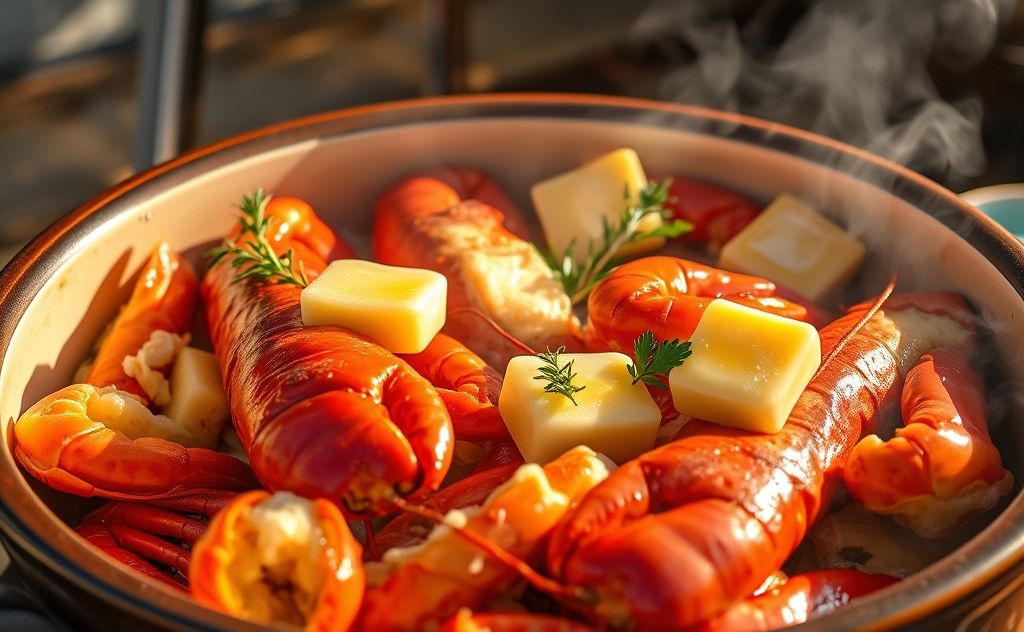
1. Steaming: Best for Whole Lobster
Reheat gently in butter or steam for 2-3 mins to avoid toughness. Steaming mimics the lobster’s original cooking environment, preventing dryness. Follow these steps:
- Fill a pot with 2 inches of water; add a steamer basket
- Place shell-on lobster in basket, cover, and steam over medium heat
- Time: 5–8 minutes for whole lobster, 3–5 minutes for meat only
Pro Tip: Add lemon slices or seaweed to the water for extra flavor (sustainable sourcing matters).
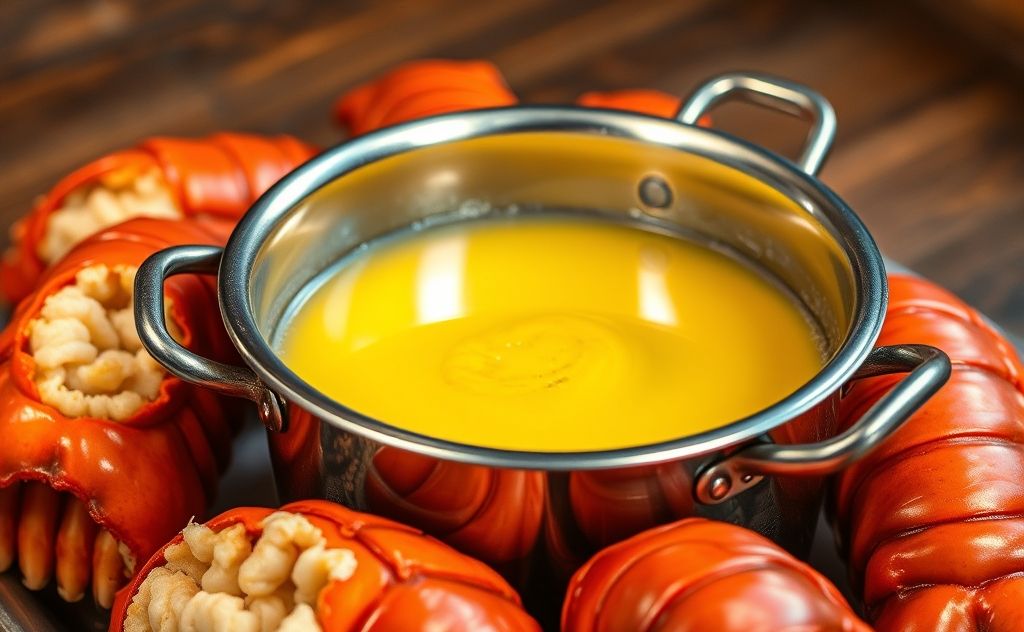
2. Butter-Poaching: Luxury Upgrade
Ideal for shelled lobster meat, this method infuses richness. Use clarified butter or ghee for higher smoke points:
- Melt ½ cup butter per lobster tail in a skillet
- Simmer meat on low heat (160–180°F/71–82°C) for 3–4 minutes
- Baste constantly for even heating
Comparison: Butter-poaching vs. Steaming
| Method | Time | Best For | Texture |
|---|---|---|---|
| Steaming | 5–8 mins | Whole lobster | Natural, clean |
| Butter-Poaching | 3–4 mins | Meat only | Richer, silkier |
3. Oven Method: Best for Large Batches
When reheating multiple lobsters, the oven ensures even warmth:
- Preheat to 275°F/135°C (low and slow!)
- Place meat in a dish with broth or butter; cover with foil
- Heat for 10–15 minutes, checking every 5 minutes
Warning: Higher temperatures will shrink proteins, causing chewiness.
4. Grill Revival: Smoky Flavor Boost
For a charred twist, use indirect heat:
- Brush meat with olive oil; place shell-side down
- Grill over medium-low for 2–3 minutes per side
- Finish with herb butter (FDA-safe handling applies)
5. Microwave (Last Resort)
Only use if time is critical:
- Wrap meat in a damp paper towel
- Heat at 50% power in 30-second bursts
- Stop at 2 minutes max to avoid rubberiness
Summary: Reheating Methods Compared
| Method | Speed | Texture | Skill Level |
|---|---|---|---|
| Steaming | Medium | Best | Beginner |
| Butter-Poaching | Fast | Luxury | Intermediate |
| Oven | Slow | Good | Beginner |
| Grill | Fast | Smoky | Advanced |
| Microwave | Fastest | Risky | Novice |
Reheating lobster doesn’t have to be stressful. Stick to low temperatures, prioritize moisture (butter or steam), and always monitor timing. For perfect results, try our garlic-herb butter variation—it’s a game-changer for leftovers. Now go enjoy that lobster like it’s fresh from the pot!
Related pick: Check price on Amazon