
Turning your garage into a gym is a fantastic move. You gain convenience and privacy. But when winter hits, that uninsulated space can feel more like a walk-in freezer than a workout haven. Finding the best way to heat a garage gym isn’t just about comfort; it’s about protecting your equipment and making your fitness routine sustainable year-round.
The right solution balances upfront cost, running expenses, safety, and how you use the space. You’re not just heating a garage; you’re creating a conditioned environment for physical activity. This means considering air quality, humidity, and consistent warmth. For many DIY enthusiasts, a popular and effective starting point is a portable infrared unit like the Dr Infrared Heater. It provides direct, quiet warmth perfect for a single workout station without needing to heat the entire air volume.
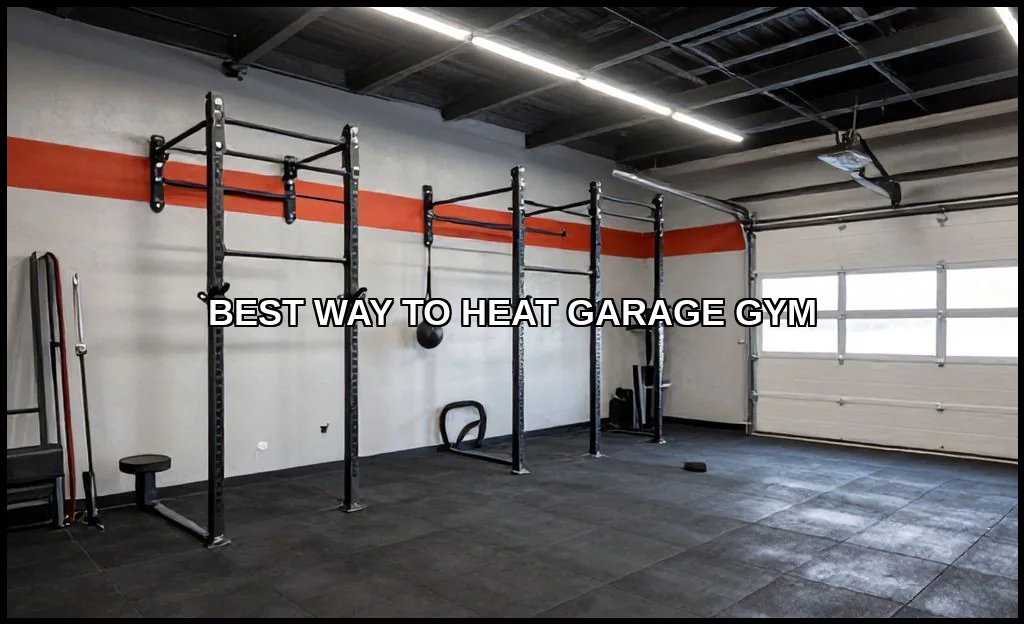
Understanding Your Garage Gym Heating Needs
Before you buy any heater, diagnose your space. A detached garage with thin walls has vastly different needs than an attached, partially insulated one. Your primary goal is to achieve a safe and consistent garage gym temperature, usually between 55-65F for comfort during exercise.
Ask yourself these questions:
- Size & Insulation: What are the dimensions? Is the garage insulated? Properly insulating your garage is the single most effective way to reduce heating costs and improve efficiency.
- Usage Patterns: Do you need heat only during your 60-minute workout, or do you want to maintain temperature to prevent equipment corrosion?
- Power Source: What’s available? 120V standard outlets, 240V circuits, or natural gas/propane lines? This often dictates your best heater type.
- Budget: Consider both the initial purchase/installation and the long-term operational cost. Energy efficient heating pays off over time.
Top 5 Garage Heater Types Compared
Each heater technology has pros and cons. Your choice depends on those initial questions about your space and habits.
1. Mini-Split Heat Pump (Ductless)
The gold standard for dedicated spaces. A Mini-Split Heat Pump provides both heating and cooling, is incredibly energy efficient, and dehumidifies the air. It’s a permanent solution ideal for well-insulated spaces. The installation cost is higher, but the operational cost is low. Perfect if you use the gym frequently.
2. Radiant Infrared Heater
These heaters, like the Dr Infrared model, warm objects and people directlynot the air. Think of it like sunshine. They provide instant, focused warmth, work well in spaces with high ceilings, and are silent. Great as a portable heater for gym sessions or as ceiling-mounted units. They don’t heat the air, so the room may still feel cool when you first walk in.
3. Forced Air Garage Heater
These units (electric or gas) heat air and blow it into the space. They heat up a room quickly. Electric forced air heaters are simpler to install, while natural gas or propane heater models have lower fuel costs. The main downside? They can be noisy and stir up dusta consideration for a clean workout environment.
4. Electric Garage Heater (Ceiling-Mounted)
A permanent electric garage heater mounted out of the way is a clean install. These are often fan-forced or infrared. They free up floor space, a major plus in a gym. You’ll need a dedicated 240V circuit installed by an electrician. They’re excellent for maintaining temperature in an insulated space.
5. Portable Space Heaters
The plug-and-play option. Includes oil-filled radiators, ceramic fan heaters, and infrared models. They are low-cost and flexible. Best for supplemental heat or warming a small, well-insulated area during your workout. For safety, ensure you use a heater rated for garage/workshop use and never leave it unattended. You can find some of the best space heaters at major retailers if a portable solution fits your initial plan.
Step-by-Step Installation & Safety Guide
Safety is non-negotiable. A garage gym has flammable materials, dust, and high oxygen use. Follow this guide for a secure setup.
Preparation & Planning
- Clear the Area: Move all flammables (paint, gasoline, rags) out of the heating zone.
- Check Electrical: For 240V heaters, hire a licensed electrician. Do not overload existing circuits.
- Calculate Your BTU Needs: Use a simple BTU Calculation: (Square Footage x Insulation Factor x Desired Temperature Rise). For a 2-car garage (approx. 500 sq ft) with poor insulation, you might need 30,000+ BTUs.
- Ventilation: Any combustion heater (propane, natural gas) MUST be properly vented to the outside to prevent carbon monoxide poisoning.
Installation & Operation
- Mounting: Follow manufacturer instructions precisely for ceiling or wall-mounted units. Ensure secure placement away from equipment movement.
- Clearance: Maintain all recommended clearances from walls, ceilings, and your gym equipment.
- Circuit Protection: Use a dedicated circuit with the correct breaker. This is the safest way to heat a garage with electrical equipment.
- Smoke & CO Detectors: Install them. Test them monthly. This is your critical backup system.
Maximizing Efficiency: Insulation & Pro Tips
The heater is only half the battle. Without proper preparation, you’re literally burning money. The first step is always to insulate garage walls, the ceiling (attic space), and the garage door. Use batt insulation, foam board, or a reflective barrier kit for the door.
Seal air leaks around windows, doors, and the foundation with caulk or spray foam. A thermal barrier door curtain can also help. These steps dramatically reduce the workload on your heater, making even a smaller unit effective and slashing your bill. It’s the cornerstone of how to heat a garage gym in winter cheaply.
Other efficiency hacks:
- Zone Heating: Only heat the area you’re using. A radiant infrared heater pointed at your workout rack is more efficient than trying to heat the whole space with forced air. The Department of Energy has a great authority guide on this concept.
- Use a programmable thermostat to warm the space before your workout, then lower it afterwards.
- Place a mat under heavy equipment. It insulates your feet from the cold concrete slab.
Cost Breakdown & Final Recommendations
Let’s talk numbers. Costs vary wildly based on your choice and existing setup.
| Heater Type | Approx. Unit Cost | Installation Complexity | Operational Cost | Best For |
|---|---|---|---|---|
| Portable Electric (Infrared/Ceramic) | $100 – $300 | DIY (Plug-in) | Medium-High | Occasional use, small zones |
| Permanent Electric Garage Heater | $300 – $800 | Moderate-High (Requires 240V) | Medium | Frequent use, insulated spaces |
| Propane Forced Air | $200 – $600 | Moderate (Venting Required) | Low-Medium (fuel cost) | Quick heat, detached garages |
| Mini-Split Heat Pump | $1,500 – $3,500+ | High (Professional) | Very Low (Most Efficient) | Year-round comfort, long-term solution |
The cost to install a mini split in a garage gym is a significant investment, but for a primary, daily-use home gym, it’s often worth it for the comfort, efficiency, and added cooling. For the weekend warrior, a high-quality electric garage heater paired with serious insulation is a fantastic middle ground.
If you’re testing the waters, start with insulation and a robust portable heater. The Dr Infrared Heater style units are a crowd favorite for good reason. They’re a low-commitment way to achieve solid workout comfort. For other portable options, exploring the best battery operated models can offer cord-free flexibility for short sessions.
Your garage gym should empower you, not challenge you with the cold. Start with insulationit’s the force multiplier for any system. Then, match the heater to your budget, usage, and existing infrastructure. Whether it’s a targeted infrared spot for your bench press or a full mini-split system for year-round perfection, consistent warmth will transform your fitness discipline. Now go enjoy that workout, no matter what the thermometer outside says.
