Best Way to Heat Cooked Crab Legs: Step-by-Step Guide
On this page 5 sections
Reheating cooked crab legs correctly keeps their tender texture and rich flavor intact. You can do this easily at home with minimal tools and in under 20 minutes.
This guide walks you through the safest and most effective methods, what tools you’ll need, common mistakes to avoid, and when to call in a professional.
Best Way to Heat Cooked Crab Legs
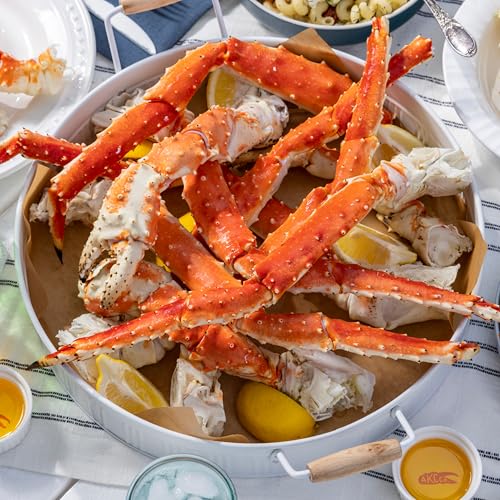
The most reliable method to warm cooked crab legs is by steaming them for 5 to 7 minutes. This approach gently reheats the crab while preserving moisture and texture better than dry heat methods.
Steaming is the safest and most effective method because it surrounds the crab legs with moist heat, which prevents the meat from toughening. To steam, bring a pot with a couple of inches of water to a boil, place the crab legs in a steamer basket above the water, cover tightly, and heat for 5 to 7 minutes if thawed, or about 10 to 12 minutes if frozen.
Oven reheating works well if you don’t have a steamer. Wrap the crab legs tightly in aluminum foil to trap moisture, then place them on a baking sheet in a preheated oven at 350°F. Warm for 10 to 15 minutes if thawed, or 20 minutes if frozen. The foil keeps the crab from drying out and allows the heat to penetrate evenly.
Steaming crab legs traps moisture and heat, which prevents the meat from drying out. This moist heat method keeps the crab tender and flavorful, unlike baking or microwaving, which can cause toughness or uneven heating.
Heating frozen crab legs takes longer because the heat must first thaw the meat before warming it. Avoid thawing at room temperature; instead, steam or bake from frozen but add extra time. For steaming, add 3 to 5 minutes on top of thawed times; in the oven, add about 5 minutes.
How Moist Heat Preserves Flavor and Texture

Moist heat keeps crab legs tender and flavorful by gently warming the meat without drying it out. Steam and foil wrapping lock in moisture, preventing the delicate muscle fibers from tightening and toughening.
Crab meat is 70 to 80 percent water. When you heat it with dry air, that water escapes, leaving the meat dry and rubbery. Steaming or wrapping crab legs in foil traps the steam released as the legs warm, effectively bathing the meat in a humid environment.
Steam transfers heat efficiently around the crab legs at about 212°F (100°C), which is enough to warm the meat through without cooking it further. The foil wrap acts like a mini greenhouse, capturing both steam and heat so the legs warm evenly and retain their natural juices.
Because moisture carries heat energy directly to the crab meat, you don’t have to heat it as long, reducing the risk of overcooking. Even just 5 to 7 minutes of steaming or 10 to 15 minutes in a 350°F oven wrapped in foil does the trick.
Common Mistakes That Damage Crab Legs
Reheating crab legs the right way means avoiding common pitfalls that dry out or ruin the texture of the meat. Overcooking is the biggest culprit, as crab meat quickly goes from tender to rubbery once it hits about 140°F internally.
Microwaving crab legs without adding moisture or covering them traps steam poorly, causing uneven heating and dried-out spots. Always add a splash of water and cover the crab before microwaving to keep the moisture in.
Boiling crab legs too long or in unsalted water leaches flavor and washes away juices. If you boil for reheating, keep it under 5 minutes and add salt to the water to preserve taste.
Reheating crab legs multiple times damages the meat’s structure and increases dryness. Plan to heat only once, ideally right before serving.
Thawing frozen crab legs improperly — by leaving them out at room temperature or microwaving frozen legs — can partially cook or dry out the meat prematurely. Thaw crab legs slowly in the refrigerator overnight or under cold running water for a quicker method.
The best way to heat crab legs remains gentle moist heat: steaming for 5 to 7 minutes or foil-wrapped warming in a 350°F oven for 10 to 15 minutes. These methods keep moisture locked in and the meat tender.
For more detailed timing and moisture-control tips, look at the full guide on the best ways to heat up crab legs.
When to Use a Licensed Pro or Get Permits
Heating cooked crab legs doesn’t usually require anything complex, but some kitchen heating methods need extra care or professional help.
If you want to heat crab legs without electricity, infrared heat lamps or charcoal grills are options. Infrared heat warms food by radiation and doesn’t rely on air circulation, which can be handy in power outages. Charcoal or propane grills work too, but they need proper ventilation to avoid carbon monoxide buildup.
Any built-in heating appliance that uses gas or requires new electrical wiring must follow local codes. Installing a gas stove, range, or built-in steamer often needs a permit and inspection. Venting is critical; gas appliances produce carbon monoxide, so a licensed pro must ensure the vent system works and the space has enough fresh air.
Electric countertop heaters or steamers typically don’t need permits, but if you’re adding new circuits or outlets to power them, an electrician must do the work to meet code.
Call a heating technician if you notice any of these when heating with gas or electric equipment: unusual odors, pilot light won’t stay lit, breaker trips, or the device runs but doesn’t get hot. Those signs mean something’s wrong and could be dangerous.