Best Way to Heat a Garage in 2026: About 12 Cents an Hour to Run
Joye
Updated October 1, 2026 15 min read
Bottom line
The best way to heat a garage in 2026 depends on insulation, size, and use, but a ductless mini-split heat pump offers top efficiency and year-round comfort for insulated garages. For drafty or uninsulated spaces, radiant tube heaters or forced-air units work better.
Heating a garage effectively starts with sealing and insulating it. Without that, even the most powerful heater wastes energy and money.
This article breaks down the pros and cons of each popular heating method in 2026, including running costs and who should skip which option.
The essentials
A ductless mini-split heat pump is the most efficient and versatile choice for insulated garages, providing heating and cooling year-round.
Radiant tube heaters excel in drafty or high-ceiling garages by warming objects directly and avoiding heat loss through air leaks.
Forced-air electric or gas heaters warm large spaces quickly but can stir up dust and noise.
Insulation and air sealing are the most cost-effective steps before buying a heater; skipping this wastes fuel and comfort.
Portable electric heaters are only suitable for occasional use in small, insulated spaces and not a permanent solution.
What Is the Best Way to Heat a Garage in 2026?
The best way to heat an insulated garage in 2026 is a ductless mini-split heat pump, especially if you want efficient heating and cooling in one system. For a drafty or uninsulated garage, a properly vented radiant tube heater or forced-air heater is usually more practical than asking a small electric heater to fight constant heat loss.
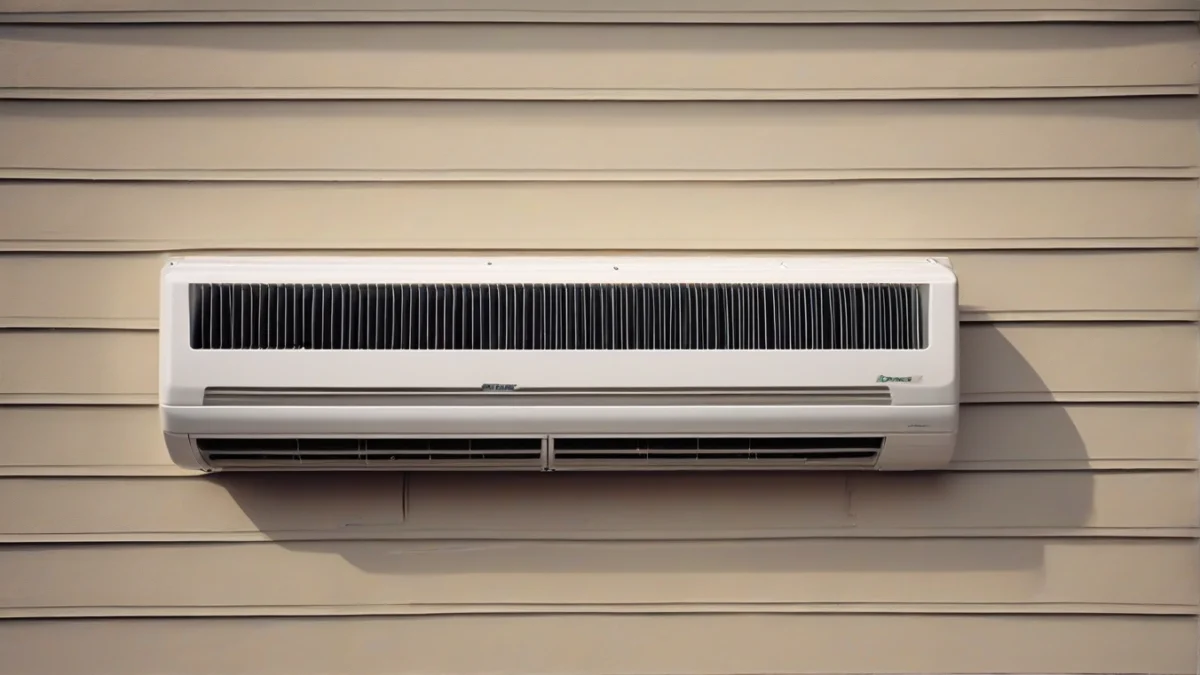
This mini-split heat pump is ideal for efficient heating.
A mini-split heat pump moves heat instead of making all of it with an electric heating element, so it can use less electricity for the same indoor temperature. Its higher purchase and installation cost makes more sense in a garage you use often; a plug-in heater costs less to install, but a 1,500 W model draws about 12.5 amps and may struggle in a large, leaky space.
Best fit
Ductless mini-split: efficient heating, useful cooling, and no combustion inside the garage
Radiant tube heater: warms people and work surfaces well in a drafty garage
Forced-air heater: heats the air quickly and suits larger work areas
Trade-off
Mini-splits cost more to install and need an outdoor unit
Radiant and forced-air fuel heaters need correct venting, clearances, and regular inspection
Plug-in electric heaters are simple, but a single 1,500 W unit has limited output for a large garage
Heater
Watts
Per hour
Per day (8 h)
Per month (30 days)
1,500 W electric heater
1,500 W
26¢
$2.04
$61.20
Calculated at 17¢ per kWh. Assumes eight hours per day, 30 days, and electricity at $0.17 per kWh. The heater may cycle off, so actual use can be lower; an uninsulated garage can also run continuously in cold weather.
Installation changes the decision. A mini-split usually needs a qualified installer and an outdoor electrical connection, while a plug-in heater needs no installation beyond a suitable wall outlet. Gas radiant and forced-air systems can require a gas line, flue or vent, combustion clearances, and licensed work, so their running cost may be attractive while the upfront project is larger.
Choose by garage condition
Insulated garage used for several hours most days: choose a ductless mini-split heat pump.
Drafty garage used for projects: consider a vented radiant tube heater that warms people and objects directly.
Large or frequently opened garage door: consider a properly vented forced-air heater for faster recovery.
Small, occasional workspace: a listed electric heater may be adequate if it plugs directly into a wall outlet.
Any fuel-burning heater: use an indoor-rated model, follow the ventilation instructions, and install a working carbon monoxide alarm. Never use a patio, torpedo, or construction heater indoors.
Insulation and air sealing come before the heater because every unsealed gap makes the system run longer. A useful comparison of best garage heating solutions for year-round comfort can help once you know how much heat your garage will actually retain.
Electrical and combustion safety
Keep electric heaters at least 3 feet from combustibles and skip extension cords and power strips. Fuel-burning equipment must vent combustion gases as the manual requires; carbon monoxide is odorless, and an open garage door isn’t a substitute for a listed vent system.
Why Insulation and Air Sealing Matter Before Buying a Heater
Heating a garage without insulation is expensive because warm air and radiant heat escape through the overhead door, thin walls, roof, and every gap around the frame. The best way to heat an uninsulated garage is to air-seal and insulate first; if that work must wait, use a heater suited to fast heat loss rather than expecting a small plug-in unit to hold the room at temperature.
Proper insulation is crucial for effective heating.
Start with the largest leaks. Replace worn weatherstripping around the garage door, adjust the door so the bottom seal contacts the slab, seal gaps around windows and service doors, and use compatible caulk or foam around wiring and pipe penetrations. Don’t block required vents or seal around a heater’s flue, combustion-air opening, or other clearance.
Area
Useful target
What to check
Exterior walls
About R-13 to R-21
Insulation fills the cavity without gaps or compression.
Ceiling or roof plane
About R-30 to R-49
Insulation is continuous above the heated garage area.
Overhead garage door
About R-9 or higher
Panels are insulated and the perimeter seals close firmly.
These are planning targets, not a replacement for your local code or the insulation manufacturer’s instructions.
Air sealing a noticeably leaky garage can reduce heating energy by roughly 10% to 20%, although the result depends on wind, door use, insulation, and climate. Say a heater would otherwise use 10 kWh on a cold day: a 15% reduction saves about 1.5 kWh that day, before any change in thermostat setting.
Find the leaks first
On a windy day, close the garage door and look for daylight at the sides and bottom. Hold a thin strip of tissue near the frame and wall penetrations; movement points to an air leak worth sealing.
Before sizing the heater
Seal the overhead door perimeter and bottom gasket.
Insulate the door panels or replace a badly damaged door.
Seal service-door, window, sill-plate, and utility penetrations.
Insulate the walls and ceiling to the level allowed by local code and the building assembly.
Keep required combustion-air openings and heater clearances open.
Don’t trap combustion gases
Air sealing lowers unwanted drafts, but a fuel-burning heater still needs the combustion air and venting specified by its listing and manual. A tighter garage without a working carbon monoxide alarm is not a safer garage.
Heating Options to Consider
Popular garage heating products and types in 2026
Best for larger garages
COMFORT ZONE 7,500W Ceiling Heater
Product 1 puts 7,500 watts of fan-forced heat overhead, so you keep the floor clear for vehicles, tools and projects. Its digital thermostat, remote, adjustable louvers and overheat protection make it the more flexible pick when a garage needs frequent temperature changes.
Product 2 is a straightforward ceiling-mounted fan-forced heater for spaces that need directed heat without a floor unit in the way. Its adjustable louvers, mounting angle and dual-knob thermostat keep the controls simple while the steel body suits temperature-changing garage conditions.
The best garage heater depends on how quickly you need heat, how well the space holds it, and whether you can add a circuit, gas line, or vent. Propane and diesel heaters need the most caution: use only an indoor-rated propane model with the required ventilation, oxygen depletion sensor, and a working carbon monoxide alarm, while a diesel heater must exhaust outside the garage. Outdoor, patio, torpedo, and construction heaters don’t belong in an enclosed garage.
Ductless Mini-Split Heat Pumps
A ductless mini-split is the strongest all-around choice for an insulated garage because it provides heating, cooling, and thermostat control without burning fuel inside the room. The outdoor unit moves heat rather than making all of it from electricity, so it can use less electricity than resistance heat for the same indoor temperature.
Good for
Insulated garages used as workshops, offices, or recreation rooms
Heating and cooling from one system
Quiet, steady heat with no combustion gases indoors
Not for
Higher installation cost than a portable heater
Needs a suitable outdoor location and professional electrical work
Performance and capacity depend on the model and outdoor temperature
Radiant Infrared Tube Heaters
Radiant infrared tube heaters suit drafty garages because they warm people, vehicles, floors, and work surfaces directly instead of trying to heat every cubic foot of moving air. Gas-fired versions need correct venting, clearances, and combustion air; an unvented fuel heater can turn a heating problem into a carbon monoxide problem.
Good for
Large or poorly insulated garages with air movement
Work areas where you want warmth directed below the heater
Spaces where warm air from a fan would quickly escape
Not for
Heats objects and occupants more directly than the whole room
Requires careful mounting clearance and fuel or electrical planning
Gas models need venting and regular inspection
Forced-Air Electric And Gas Heaters
Forced-air heaters warm a garage quickly by pushing heated air across the room, making them useful when you arrive at a cold workshop and want fast recovery. Electric models avoid combustion gases, while gas models need an indoor-rated design, proper venting, required clearances, and a carbon monoxide alarm.
Electric heaters for garages are a practical choice when the garage already has enough electrical capacity, but a 1,500-watt plug-in heater draws about 12.5 amps at 120 volts. Plug it straight into a wall outlet, never an extension cord or power strip, and keep at least 3 feet of clearance. A larger 240-volt ceiling unit needs a dedicated circuit and hard-wired installation by a qualified electrician.
Useful for fixed electric heat
Comfort Zone Hard-Wired Ceiling Mount Garage Space Heater with Remote
Product 1 fits a workshop that needs floor space preserved: it’s a hard-wired 7,500-watt, 240-volt fan-forced ceiling heater with adjustable louvers, a digital thermostat, remote, timer, and overheat shutoff; have an electrician confirm the circuit and installation.
Ceiling mounting keeps equipment and cords away from the floor
Not for
Fans can stir dust and feel noisy
Resistance electric heat can draw substantial electrical power
Gas units bring venting and carbon monoxide requirements
Radiant Floor Heating
Radiant floor heating is comfortable and quiet because the slab or floor surface releases heat steadily, but it works best as a planned installation rather than a quick winter fix. Electric mats or hydronic tubing need access beneath or within the floor, and a concrete slab can take a long time to warm.
Good for
Even floor-level comfort
No fan noise or air movement
Useful when the garage is being built or remodeled
Not for
Slow response in a thick concrete slab
Difficult and expensive to retrofit
A damaged embedded system is hard to repair
Portable Space Heaters
Portable electric space heaters are the simplest way to warm one occupied work area, but they make a poor whole-garage system. Choose a listed model with tip-over and overheat protection, plug it directly into a wall outlet, keep 3 feet of clearance, and don’t run it while sleeping or away unless the manufacturer specifically permits that use.
Good for
Low commitment for a small work zone
Easy to move and store
No fuel storage or combustion exhaust
Not for
Limited output from a standard 120-volt outlet
One unit won’t heat a large, leaky garage evenly
Cords, sawdust, paint, and clutter increase fire risk
Fuel heater check
Propane heaters for garages and diesel heaters for garages aren’t interchangeable with electric units. Use only the fuel listed by the manufacturer; diesel combustion heaters must send exhaust outdoors, propane models need the specified ventilation and oxygen depletion protection, and every fuel-burning setup needs a working carbon monoxide alarm.
Running Costs and Lifespan: What to Expect
Garage space heaters work by turning electricity or fuel into heat, then moving that heat with radiation, a fan, or both; the cheapest option to run is usually a heat pump, while resistance heaters are simplest and combustion heaters depend on fuel price and venting.
A resistance heater converts nearly 100% of its electricity into heat at the heater, but electricity still costs more per unit of heat than a heat pump in many areas. A heat pump can deliver roughly two to four units of heat for each unit of electricity under suitable conditions, though output and efficiency fall in very cold weather. Natural-gas garage heaters can cost less to run where gas is inexpensive, but a vented unit needs the right flue, gas connection and installation.
Heater
Watts
Per hour
Per day (8 h)
Per month (30 days)
1,500 W portable electric heater
1,500 W
26¢
$2.04
$61.20
5,000 W ceiling heater
5,000 W
85¢
$6.80
$204.00
7,500 W ceiling heater
7,500 W
$1.28
$10.20
$306.00
Calculated at 17¢ per kWh. Assumes 8 hours per day, 30 days and electricity at 17 cents per kWh. A thermostat may cycle a heater off, so actual use can be lower.
Fuel costs need the heater’s nameplate burn rate. As a check, one gallon of propane contains about 91,500 BTU and one gallon of kerosene about 135,000 BTU; multiply the listed gallons per hour by your fuel price and operating hours. A diesel heater must send exhaust outside the garage, and using multiple units is acceptable only when each model is approved for that location, has its own correctly installed exhaust, and the electrical supply supports all of them.
Heating type
Typical service pattern
Ductless mini-split
Clean the filters regularly; keep the outdoor coil clear; have the system serviced when performance drops. A well-maintained system can last 10 to 15 years or longer.
Electric resistance heater
Keep the intake and outlet free of dust; inspect wiring and mounting. A fixed unit can last many years because it has few moving parts, while fans and thermostats are common failure points.
Natural gas or propane heater
Inspect the burner, vent and heat exchanger; have gas connections and combustion service handled by a qualified professional. Life varies widely with installation and service.
Kerosene or diesel heater
Use only the specified fuel, clean the burner and filter as directed, and inspect the exhaust path. Soot, odor or hard starting means service is due.
Manufacturer schedules and local code take priority over these general service intervals.
Combustion safety
Indoor combustion heaters need the ventilation stated in the manual and a working carbon-monoxide alarm. Outdoor, patio, torpedo and construction heaters don’t become garage-safe because the door is cracked open; use only a model listed for indoor use. Vent-free gas heaters are restricted or banned in some states and cities, so check local code before buying.
Who Should Skip Each Garage Heating Option
Skip a garage heater when its installation, output or safety requirements don’t match the space; the right answer for an insulated workshop can be a poor answer for a leaky storage garage.
Choose a different option if
Skip a mini-split if the garage is uninsulated and you won’t air-seal it first; much of the heat will escape, and the purchase and installation cost may not fit a short-term budget.
Skip a natural-gas, propane, kerosene or diesel heater if you can’t provide the required venting, fuel storage and carbon-monoxide protection. Never use an outdoor or construction heater indoors.
Skip a portable electric heater as a permanent whole-garage solution if you need to heat a large or drafty space. A standard 120 V, 15 A circuit limits a plug-in heater to about 1,500 W, or 12.5 A, and an extension cord or power strip is un
Skip an oil-filled heater for winter garage heating if the garage is damp, unattended or poorly insulated. It can heat a small, dry area while supervised, but its slow 1,500 W output won’t overcome major air leakage.
Skip any heater if the garage has flammable vapors, sawdust buildup near the heater or stored materials inside the required clearance area.
For the best 120 V heater for a garage, choose a listed portable model with tip-over and overheat protection only when you need temporary heat in a small, dry work area; plug it directly into the wall and keep three feet of clearance. Portable space heaters for garages are useful for a person at a workbench, not for turning an uninsulated two-car garage into a heated room.
A hard-wired ceiling heater makes more sense when you need fixed electric heat and have an electrician install the circuit and mounting. Product 2 suits that job with a 5,000-watt fan-forced design, ceiling mounting, adjustable louvers and an overheat shutoff, but skip it if your panel cannot support the added load or you need cooling in summer.
Fixed electric heat
COMFORT ZONE 5000-Watt Fan-Forced Ceiling Mount Garage Heater
Choose product 2 for a permanently mounted heater in a garage with suitable electrical capacity; its ceiling position keeps the floor clear while the louvers direct warm air toward the work area.
For most insulated garages, a ductless mini-split heat pump uses less electricity than resistance heaters because it moves heat instead of making all of it from electrical resistance. Its efficiency falls in very cold weather, so check the model’s low-temperature heating rating before choosing it for winter use.
Can I use a propane heater safely in my garage?
A propane heater can be used only if the model is rated for indoor use and the manual allows garage use. Follow its ventilation requirements, keep a working carbon monoxide alarm nearby, maintain clearances, and never use an outdoor, patio, torpedo or construction heater indoors.
How long does a 20 lb propane tank last when heating a garage?
A 20 lb propane tank holds roughly 4.7 gallons, or about 430,000 BTU of fuel. At a 30,000-BTU-per-hour input, that works out to about 14 hours of continuous operation; a thermostat, lower setting and cold-tank conditions can change the actual time.
Are electric heaters good for uninsulated garages?
They can provide spot heat, but electric resistance heaters are usually expensive for an uninsulated garage because heat escapes as fast as you add it. A plug-in heater is also limited to about 1,500 watts, so it may suit one work area rather than a whole garage; plug it directly into the wall, never an extension cord or power strip.
What size heater do I need for a 24×24 foot garage?
A 24 by 24 foot garage has 576 square feet, but that measurement alone can’t determine heater size. Ceiling height, insulation, air leakage, outdoor design temperature, door openings and the heater type all change the load, so use a heat-loss calculation rather than picking a BTU number from floor area alone.
Can radiant tube heaters heat a garage evenly?
Radiant tube heaters can heat a garage well when the tube layout, mounting height and clearances match the manufacturer’s instructions. They warm people, floors and tools directly, so areas outside the radiation pattern can feel cooler than the air near the heater.
Is it worth insulating my garage before buying a heater?
Insulating and air-sealing the garage is usually worth doing before installing a permanent heater, especially around the overhead door, ceiling and wall-to-floor gaps. A tighter shell lets the heater run less often, but local code still controls insulation materials, clearances and any work around attached living spaces.
Share
Written byJoye
HeaterGuides covers home heating, water heating and HVAC: how the equipment works, what it costs to run, and how to use it safely.