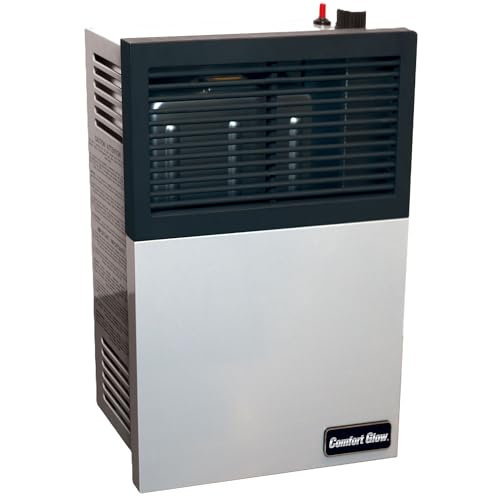
For most readers asking what naturally warms my space, Product 1 is the best starting point: its 11,000 BTU direct-vent design heats up to 350 square feet, uses a thermostat, and keeps working during a power outage without electricity.
What to remember
Choose Product 1 for a typical room up to 350 square feet and power-outage backup.
Choose Product 3 for a large zone where modulating heat and programmable controls matter.
Product 4 is the small-room pick when you want a 60–80°F electronic thermostat and child lock.
A direct-vent propane heater still needs correct vent termination, propane service, and installation that follows the manual and local code.
Rugs, wool, curtains, and warm drinks improve comfort, but only the heater raises the room temperature.
Choosing too little heat leaves you cold and running the burner hard; choosing too much wastes propane and can make a small room uncomfortably hot. A direct-vent heater also needs the right wall location, vent path, fuel supply, and local-code approval.
The five options below are the closest practical matches for naturally warming an indoor space. They are vented propane wall heaters and furnaces, not decorative electric radiators or outdoor construction heaters.
The Best Vented Propane Heaters for Natural Warmth
#1Best Overall
Comfort Glow 11,000 BTU Direct Vent Heater
Best for Bedrooms and living spaces up to 350 square feet
Product 1 is the best starting point for most readers because its thermostat adjusts the heat without constant manual changes. The sealed burn system, electronic ignition and safety pilot add useful protection, while direct venting and no-electricity operation keep it working during a power outage.
Heat output 11,000 BTURated room size Up to 350 sq. ft.Dimensions 20 H × 17 W × 7 DIgnition Electronic IgnitionBurner 430 stainless steel
Why it made the cut
Thermostatic heat control
Sealed burn system with safety pilot
Direct vent design needs no chimney
Approved for bedrooms and bathrooms
Good to know
Limited to 350 square feet
Requires a wall vent opening
Skip it if Skip it if you need to heat more than 350 square feet from one wall heater.
Best for Living areas up to 750 square feet during power outages
Product 2 brings 25,000 BTU and thermostatic control to larger rooms, with coverage listed up to 750 square feet. Its sealed burn system, safety pilot and direct vent design provide the same basic operating approach as Product 1 at a higher output.
Heat output 25,000 BTURated room size Up to 750 sq. ft.Dimensions 26.5 H × 32.25 W × 8.75 DIgnition Electronic IgnitionBurner 430 stainless steel
Why it made the cut
Heats up to 750 square feet
Thermostatic heat control
No electricity required
Approved for bedrooms and bathrooms
Good to know
Larger wall footprint than the smaller Comfort Glow
Requires a wall vent opening
Skip it if Skip it if your room is small or you want a narrower wall-mounted heater.
Best for Large rooms needing modulating heat and programmable control
Product 3 is the high-capacity choice for readers who want the heater to match its output to the room instead of running at one fixed level. Advanced modulating technology, a programmable thermostat and Wi-Fi integration suit larger homes where steady temperature control matters.
Best for Small rooms where low output and precise settings matter
Product 4 uses a seven-stage modulating gas valve that can respond to changing heat demand, making it a sensible fit for smaller spaces that can swing between chilly and overheated. Its electronic thermostat, timer settings, child lock and self-diagnostics add control beyond a basic manual heater.
Best for Small rooms needing manual, electricity-free propane heat
Product 5 keeps the setup straightforward with manual heat control, matchless piezo ignition and a safety pilot with built-in pressure regulator. Its direct vent design and no-electricity operation make it useful as a basic backup heater for spaces up to 250 square feet.
Heat output 8,000 BTURated room size Up to 250 sq. ft.Dimensions 29.5 H × 16.75 W × 9.8 DIgnition Matchless Piezo IgnitionControl Manual heat control
Why it made the cut
Manual heat control is simple to operate
Matchless piezo ignition
Direct vent design needs no electricity
Professional vent kit included
Good to know
Manual control lacks a thermostat
Rated for up to 250 square feet
Deeper than the smaller Comfort Glow model
Skip it if Skip it if you want automatic temperature adjustment or a thermostat.
Convection Radiators Operate On A Simple Principle
Convection radiators operate on a simple principle: cool air enters low, combustion heat warms it, and the warmer air rises to circulate through the room. A direct-vent propane heater sends combustion gases outdoors through its vent, so the heat stays inside while the exhaust does not.
The five products here are direct-vent propane wall heaters or furnaces, not oil-filled radiators. Natural convection can be quiet; thermostatic control, and on some models modulating control, helps the heater adjust instead of running flat-out all the time.
Air plus surfaces
What the heater actually warms
The heater raises room-air and nearby surface temperatures. Wool textiles, rugs, curtains, reclaimed wood, rattan, cork details, terracotta pots, and warm lighting mostly change how warm the room feels.
Myth
A rug or throw warms the room like a heater.
Fact
A throw or rug won’t replace heat. It can block a floor draft and make the seating, bed, or desk area feel warmer without filling the room with extra equipment.
Approach
Temperature effect
Effort
Direct-vent heater
Raises air and surface temperature
Installation required
Wool rug or throw
Little room-temperature change; reduces contact with cold surfaces
Low
Curtains and warm lighting
Little room-temperature change; reduces the chilly visual feel
Low
Use the heater for room heat and natural materials for comfort around the person.
Choose The Heat Your Room Can Use
Choose a vented propane heater by its direct-vent design, BTU output, rated room area, thermostat or modulation, ignition, safety shutoff, and installation requirements—not by a popularity claim. For the Consumer Reports-style search “consumer reports vented propane heaters,” compare those listed specifications and the installation details; no independent test result is supplied here, and marketing language isn’t a certification or performance test.
For “4-inch vented propane heaters home,” match the exact vent diameter and termination rules in the manual. None of the product facts here establishes a 4-inch vent, so don’t substitute pipe or enlarge an opening to make a heater fit.
Product
Output
Rated area
Control or fit
Comfort Glow 11,000 BTU Direct Vent
11,000 BTU
350 sq. ft.
Thermostat; works without electricity
Comfort Glow 25,000 BTU Direct Vent
25,000 BTU
750 sq. ft.
Bedroom approval stated
Rinnai EX38DTWP
36,500 BTU
Larger zone
Modulating control
Rinnai EX08DTP
8,000 BTU
Use within its stated rating
Bedroom approval stated
Comfort Glow 8,000 BTU Direct Vent
8,000 BTU
Use within its stated rating
Bedroom approval stated
Use the product card and manual for the exact room rating, vent route, and controls.
Room match
Small bedroom or office: Product 5 or Product 4, within the rated area shown for that model
Typical 350-square-foot room: Product 1
750-square-foot zone: Product 2
Larger zone needing modulation: Product 3
Confirm propane supply, wall location, vent route, ignition, and safety shutoff before ordering
Use the right category
These five picks are indoor vented propane options for homes, not patio, torpedo, construction, tent, or vehicle-cabin heaters. Bedroom approval is stated for Products 1, 2, 4, and 5 only; check the exact listing and local installation rules before putting any heater in a sleeping room.
Size The Heater And Count The Propane
Combine natural décor with your existing heating habits by warming the room to a reasonable setting, then using linen curtains, a jute rug, wool textiles, and an electric blanket for the person who still feels cold. Décor changes comfort and drafts; the heater changes air temperature.
Treat BTU input as the rate at which the heater burns fuel, not a promise that every room reaches its advertised area. Outdoor temperature, insulation, ceiling height, windows, and open doors can make the same heater feel adequate in one room and undersized in another.
Heater
Published starting point
Comfort Glow 8,000 BTU models
Up to 250 sq. ft.
Comfort Glow 11,000 BTU
Up to 350 sq. ft.
Comfort Glow 25,000 BTU
Up to 750 sq. ft.
Rinnai EX38DTWP
36,500 BTU; use its manual-rated area
Rinnai EX08DTP
8,000 BTU; small-room option
Use these ratings as starting points, then account for the room’s heat loss.
Worked Example
An 11,000 BTU heater running for 8 hours uses 88,000 BTU of input. Propane contains about 91,500 BTU per gallon, so 88,000 ÷ 91,500 is roughly 0.96 gallon at full fire. A thermostat cycles the burner off after reaching the set temperature, so real use can be lower.
Runtime8 hours
Fuel input88,000 BTU
Full-fire estimate0.96 gallon
91,500 BTU
Approximate heat in one gallon of propane
Multiply gallons used by your delivered propane price to estimate the fuel cost. Electronic ignition or modulation may improve operation, but don’t promise savings without a measured burn rate.
Lower the Heat Loss
Close obvious drafts around doors and windows.
Use linen curtains after dark.
Put a jute rug where bare feet get cold.
Add wool textiles to seating or the bed.
Use an electric blanket for one person instead of overheating the whole room.
An electric blanket can warm the person using it, so the thermostat doesn’t have to carry the entire comfort load.
Vent The Combustion Outside
Yes, a properly installed direct-vent propane heater can be safe for a home, because its sealed combustion system draws air from outdoors and sends exhaust back outside through the wall. The safety depends on the installation, clearances, vent termination, and a working carbon monoxide alarm.
Carbon Monoxide And Outdoor Heaters
Never use a patio, outdoor, torpedo, or construction heater indoors, in a tent, or in a vehicle cabin. Stop using a vented heater for soot, an unusual odor, damaged venting, repeated ignition failure, or a CO alarm; leave the area and follow your alarm and emergency instructions.
1
Read the manual
Confirm required clearances, ventilation, wall-penetration details, fuel type, and vent-termination rules before installation.
2
Hire the right installer
Use a licensed gas professional where required, especially for the propane connection, regulator, fuel line, wall penetration, or work in a mobile or modular home.
3
Install the alarm
Put a working carbon monoxide alarm where the manufacturer and local rules require it, and test it before the first firing.
4
Inspect the vent
Check that the termination stays clear of snow, leaves, and obstructions, and meets local code.
5
Watch the first burn
Follow the startup instructions and stop if the flame, exhaust, odor, or ignition behavior seems abnormal.
The safety pilot shuts off gas flow if the pilot goes out, while the pressure regulator keeps gas delivery within the appliance’s design range. Electronic or piezo ignition, self-diagnostics, child locks, and a cool-touch cabinet are useful features, but they don’t replace cleaning, inspection, or the manual’s maintenance schedule.
Fuel And Local Rules
Use propane only as specified for the heater; don’t casually convert it to another fuel. Vented appliances and bedroom installations can face local restrictions, so check your city, state, and building rules before buying.
Warm The Person Without Filling The Room
Décor and textiles can make you feel warmer without raising the room temperature; the heater does the actual air-warming. Wool, jute, linen, cork, rattan, reclaimed wood, and terracotta add visible or tactile warmth, but they don’t materially heat the air. Wool blankets and throws, linen curtains, and a jute rug usually make the biggest visible difference.
Addition
Room-temperature effect
Effort
Clutter
Rug
Small; reduces cold underfoot
Low
Low if sized to the seating area
Curtains
Small; limits the cold window feel
Low
Low
Wool textile
None; holds warmth against you
Low
Low
Hot infusion
None; temporary body comfort
Low
None
Vented propane heater
Raises room temperature
Higher; requires installation
Low when wall-mounted
Use décor for comfort and the heater for room temperature.
1
Seal the obvious gaps
Block drafts and add a rug where your feet contact the floor first.
2
Soften the cold surfaces
Use curtains at windows, then add one wool blanket or cotton throw at the bed, sofa, or desk.
3
Adjust the thermostat
Once the room feels less harsh, set the heater thermostat to the temperature you actually need.
For a bedroom, use a rug beside the bed, linen or heavier curtains, one wool layer, and a correctly sized heater. A living room needs a seating-area rug, a wool throw, and clear airflow around the heater. In an office, put a foot rug under the desk, add a cotton throw, and keep paper, curtains, and furniture outside the heater’s required clearance.
Keep Décor Clear
Rattan baskets, reclaimed wood, terracotta pots, rugs, and textiles are combustible décor. Keep them outside the heater’s listed clearance; a pretty basket in front of the air path is still a fire risk.
A hot ginger or other warming herbal infusion can provide temporary comfort, but the evidence here doesn’t establish that herbs treat poor circulation or a medical condition. Refrigerate leftover infusion for up to three days and reheat one cup at a time.
Persistent cold sensations can relate to stress, body fat, muscle mass, diet, anemia, or thyroid hormone levels. Discuss them with a doctor, especially if fatigue, bowel changes, or skin and hair changes accompany the cold feeling.
Make The Next Move In Order
Choose by heated area first, then confirm the vent, propane supply, and installer before you place the order.
1
Measure the room
For a space up to 250 square feet, compare Product 4 and Product 5. Pick Product 4 for electronic controls and a child lock; choose Product 5 for manual simplicity and its included professional vent kit.
2
Match capacity
For up to 350 square feet, start with Product 1. If the heated zone approaches 750 square feet, compare Product 2 with Product 3; Product 3 earns the extra installation work when modulation, programmable control, and large capacity matter.
3
Confirm fuel and location
Before ordering, verify propane availability, room approval, wall and vent location, required clearances, local code, and installer availability.
4
Arrange installation
Have the direct-vent heater installed according to its manual and local requirements. Don’t improvise the vent route or clearance.
5
Test safely
After installation, place a working carbon monoxide alarm as directed, then test the thermostat and safety controls according to the manual.
6
Add targeted comfort
Use one draft-blocking rug or curtain after the heater is working. Keep décor from crowding the heater or its vent.
Questions People Ask
Will a vented propane heater raise the room temperature or only make it feel cozier?
A properly sized vented propane heater raises the room temperature; wool, rugs, curtains, and warm-colored wood mainly make the room feel warmer. A heated blanket warms your body directly, so you may feel comfortable without heating every cubic foot of air.
Which natural materials make the biggest visible difference in a cold room?
Wool throws, rugs, and cushions usually make the quickest visible change because their texture signals warmth and adds insulation where you sit. Linen curtains, jute rugs, reclaimed wood, cork details, and rattan furniture can build that look without filling the room with decorations.
What should I use in a bedroom, living room, or home office?
Use quiet layers in a bedroom, such as wool bedding and linen curtains, while keeping any fuel-burning heater installed and operated exactly as its manual allows. A living room benefits from a rug and one substantial throw; a home office usually needs a foot-level rug, a warm layer, and direct personal heat rather than a hotter whole room.
Can a warming herbal infusion make me warmer?
A hot infusion can provide temporary comfort and warmth in your mouth, throat, and stomach, but it doesn’t reliably raise your core body temperature. Ginger is commonly used in warming drinks, yet treat that effect as comfort rather than medical treatment; rest, warm clothing, and adequate food still matter.
When should I discuss always feeling cold with a doctor?
Discuss persistent or unexplained cold sensations with a doctor, especially if they come with fatigue, bowel changes, or changes to your skin or hair. Thyroid hormone levels, anemia, body fat, muscle mass, diet, stress, and other health factors can affect temperature perception.