


Choosing a space heater is about more than just warmth—it’s about safety and reliability. UL certification ensures a heater has passed rigorous safety tests, but not all UL certified models are equal in features or performance.
Many people believe any UL certified heater is completely safe to leave unattended. The truth is, certification means the heater meets safety standards, but careful use and features like tip-over shutoff and overheat protection remain essential.
Comparison of UL Certified Space Heaters
| Model | Best for | Heat Output (W) | Safety Features | Room Size Coverage | Noise Level (dB) | Price |
|---|---|---|---|---|---|---|
| DREO Space Heater Portable Electric Heater | Best Overall | 1500 | Tilt-detection sensor, overheat protection, V0 flame retardant materials | — | 34 | See it on Amazon |
| WEWARM Electric 1500W Infrared Heater | Infrared Choice | 1500 | TUV certified, overheat auto shut-off, cool-touch housing | Up to 350 sq ft | — | See it on Amazon |
| OLIXIS 23″ Indoor Space Heater with Oscillation | Multi-Mode Oscillation | 1500 | Tip-over protection, overheat shut-off, child lock | Up to medium-sized rooms | — | See it on Amazon |
| BLACK+DECKER BHDC201 Personal Ceramic Heater | Compact Office Heater | 1500 | Tip-over shutoff, overheat shutoff, power-on indicator | — | — | See it on Amazon |
| DREO 25″ Electric Heater for Large Rooms | Best for Large Rooms | 1500 | V0 flame retardant, tip-over, overheat, child lock | 100-270 sq ft | 25 | See it on Amazon |
Top UL Certified Space Heaters for Safe Home Use
DREO Space Heater Portable Electric Heater
WEWARM Electric 1500W Infrared Heater
OLIXIS 23″ Indoor Space Heater with Oscillation
BLACK+DECKER BHDC201 Personal Ceramic Heater
DREO 25″ Electric Heater for Large Rooms
How to Choose the Safest UL Certified Space Heater
UL certification confirms a space heater meets key safety standards like tip-over and overheat shutoff. These features shut the heater off quickly if it tips or overheats, reducing fire risk. Always check for a UL mark on the heater or packaging before buying.
Look for critical safety features like a tip-over switch that cuts power if the heater falls, and overheat protection that triggers shutdown if internal temperatures rise dangerously. A cool-touch exterior prevents burns, which is vital for homes with children or seniors. Some models include a child lock to block unintended changes to settings.
Safe electric space heaters for elderly users often combine these protections with simple controls and stable bases to reduce fall risk. The safest electric space heater for home use balances these features with trusted certification. Avoid models without at least UL or ETL certification.
Common misconceptions include thinking UL certification guarantees a heater can be left unattended all night. Experts recommend supervised use because even certified heaters pose risks if blocked or used improperly. Proper electrical setup matters: plug heaters directly into a wall outlet, never extension cords, and keep at least 3 feet clearance from combustibles.
Safest Heater Types and How to Choose for Your Room
Safety depends more on features than heater type alone. Ceramic, oil-filled radiator, infrared, micathermic, and fan-forced heaters each offer safe options when UL certified and equipped with tip-over and overheat shutoffs.
Oil space heaters, often oil-filled radiators, maintain heat longer after switching off, reducing cycling and risk of overheating. Their cool-touch surfaces and sealed oil reservoirs make them safe choices, especially for bedrooms. But they take longer to heat a room compared to fan-based types.
Radiator heaters warm by circulating hot oil in metal fins, offering steady heat without exposed elements. They usually have tip-over and overheat protection, but safety depends on those features, not the heater type alone. Ceramic and infrared heaters also include these protections and can be equally safe if UL certified.
Infrared heaters radiate heat directly to objects and people without heating the air first, making them energy efficient and quiet. Their open heating elements require good clearance to prevent burns or fires. Micathermic heaters combine convection and radiant heat, running cool to the touch and offering silent operation.
Consider noise levels and room use: quiet oil-filled or micathermic heaters suit bedrooms, while ceramic or fan-forced heaters work well in active spaces. Energy efficiency varies less by type and more by model and thermostat control, so focus on features rather than just heater style.
For a safe electric space heater for bedroom use, pick one with stable footing, tip-over and overheat protections, a cool-touch case, and low noise. That way, you get effective warmth without safety compromises.
If you want to explore heating styles and safety features more deeply, check our guide to transform your comfort with top UL 1278 heaters.
How to Size and Estimate Running Costs for Space Heaters
Electric space heaters are limited to about 1,500 watts on standard 120 V household circuits to avoid tripping breakers or overloading wiring.
Say your room is 12 by 14 feet with an 8-foot ceiling. That’s 1,344 cubic feet. A rough rule is 10 watts per square foot for comfort, so about 1,680 watts needed. A 1,500-watt heater provides close to that, running on a standard 120 V outlet drawing about 12.5 amps. Expect to pay roughly 17 cents per kWh for electricity.
Running costs depend on wattage, hours used, and your electricity rate. For example, a 1,500 W heater running 8 hours at 17 cents per kWh uses 12 kWh, costing about $2.04 per night.
Space heaters that are too small for the room will run constantly, wasting energy and risking cold spots. Oversized heaters cycle on and off frequently, which can wear out components faster and waste power.
Natural gas space heaters can be cheaper to run if you have safe, vented models, but they require proper installation and ventilation to avoid carbon monoxide risks. Electric heaters are safer for most homes and easier to operate without fuel storage.
Space heater safety depends on features, not just type or fuel. UL certification ensures basic protections are met, but efficient use also means matching the heater size to your room and managing run times carefully to avoid hazards.
Safety Features Beyond UL Certification to Look For
Beyond UL certification, look for a heater with a tip-over switch that cuts power within seconds if knocked over. Overheat shutoff should activate before surfaces reach unsafe temperatures. Some models add a cool-touch exterior and child lock to prevent burns or accidental changes. These features add layers of protection, especially around children or pets.
Tip-over and overheat sensors wear out with time, so models with replaceable sensors or long warranties tend to be more dependable.
Child lock functions prevent accidental setting changes, especially useful in homes with kids, while cool-touch exteriors reduce burn risks if you brush against the heater.
The drape test requires the heater to shut off within two minutes if cloth touches its surface, ensuring flame retardant materials and design to prevent fires.
Regular maintenance includes dusting vents, checking sensor responses, and testing shutoff switches to keep safety features working. Neglect can lead to sensor failure or overheating.
Models like the DREO Solaris 718 combine multiple advanced safety features: tip-over protection, overheat shutoff, child lock, and cool-touch surfaces, showing how layered safety adds up.
Space heaters with tip-over protection and reliable overheat shutoff are the safest choice, but checking these features periodically is just as important as buying a certified model.
Why Some Quiet Space Heaters Are Safer for Bedrooms and Seniors
Quieter space heaters often use oil-filled radiators or micathermic panels, which produce gentle, radiant heat without a fan. These models have fewer moving parts and lower surface temperatures, reducing noise and burn risk. That makes them better suited for bedrooms or seniors who need safety and comfort without distraction.
Oil-filled radiators and certain ceramic heaters stand out for quietness. Radiators rely on convection and retain heat in their metal fins, so their fans don’t run or aren’t needed, creating a whisper-quiet environment. Ceramic heaters without oscillating fans also keep noise levels low while delivering steady warmth.
For seniors and households with children, look for models that combine UL certification with a child lock and cool-touch exterior. These features reduce burn risk and prevent accidental setting changes, which is crucial for sensitive users who may not notice or react quickly to hot surfaces or overheating controls.
Quiet doesn’t mean less heat. These heaters still deliver the full 1,500 watts allowed on a standard 120-volt circuit, heating rooms effectively without the distraction of fan noise or mechanical sounds.
If you want a safe electric space heater for a bedroom, pick one with a programmable thermostat and timer so you can set it to turn off after you fall asleep. The quiet operation paired with safety features like tip-over protection makes them ideal for overnight use under supervision.
The quietest space heaters avoid oscillation and fans, which are the primary noise sources. Models like the DREO 25 Inch Electric Space Heater provide warmth silently, which helps seniors and light sleepers stay comfortable and safe through the night.
More Questions, Answered
Are UL certified space heaters safe to leave on overnight?
What is the difference between UL and ETL certifications?
Are oil-filled radiator heaters safer than ceramic heaters?
Can I use a space heater with an extension cord safely?
Do space heaters with air purifiers need special maintenance?
What safety features should I look for in a heater for a child’s room?
How do I know if my space heater’s tip-over protection is working?

I am a mechanical engineer and love doing research on different home and outdoor heating options. When I am not working, I love spending time with my family and friends. I also enjoy blogging about my findings and helping others to find the best heating options for their needs.
Related guides
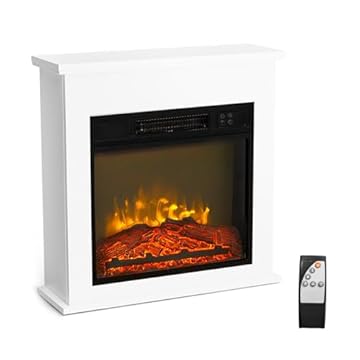
5 Surprising Electric Fireplaces with Mantels You Didn’t Know You Needed
Enhance your space with a stylish, cheap electric fireplace with mantel. Enjoy warmth and charm without breaking the…

Can You Safely Leave a Space Heater On 24/7?
No, it is not safe to leave a space heater on 24/7 due to the risk of fire,…
Best Electric Fireplace High Heat Output Model Under Budget Review
Looking for the best electric fireplace with high heat output that won’t break the bank? Find budget-friendly models…
