Best Tankless Water Heater Brands of 2026: Plumber-Tested Comparison
On this page 9 sections
- Tankless Water Heater Brand Comparison
- Best Tankless Water Heater Brands for 2026
- Best Tankless Water Heater Brands for 2026
- How to Choose a Tankless Water Heater Brand That Fits Your Home
- Sizing a Tankless Water Heater: Get the GPM Right or Pay for It Later
- Running Costs: Real Numbers for Gas and Electric Tankless Water Heaters
- Safety, Codes, and the One Mistake Most Installers Still Make
- Hard Water, Recirculation, and Service Longevity in Tankless Heaters
- Questions People Ask
Tankless Water Heater Brand Comparison
| Rank | Model | Best for | Type | Max Flow (GPM) | Fuel | Price |
|---|---|---|---|---|---|---|
| 1 | Rinnai RU199iN Gas Tankless HeaterWhole-Home Gas Pick | Whole-home hot water with natural gas and higher simultaneous demand | Condensing tankless | 11 | Natural gas | Check price on Amazon |
| 2 | xwdzswgs 3000W Electric HeaterWarranty Point-Use Pick | A kitchen or bathroom sink needing compact 110V point-of-use hot water | Under-sink tankless | 0.5 | Electric | Check price on Amazon |
| 3 | xwdzswgs 3000W ETL HeaterCompact ETL Pick | Small kitchen or bathroom installations where wall space is tight | Tankless electric | 0.5 | Electric | Check price on Amazon |
| 4 | Jflapil 3000W Electric HeaterUnder-Sink Space Saver | A compact under-sink heater for one kitchen or bathroom fixture | Under-sink tankless | 0.5 | Electric | Check price on Amazon |
| 5 | Baococo 18L Propane HeaterOutdoor RV Shower Pick | Outdoor camping, RV use, fishing trips, or washing pets | Portable tankless | 4.76 | Propane | Check price on Amazon |
Getting the wrong tankless water heater wastes money, leaves you with cold showers, or costs you in repairs when winter hits. The right pick delivers endless hot water, lower bills, and a decade or more without headaches.

A tankless water heater is a serious investment—get it right, and you won’t think about hot water again until 2040. Here’s how the top brands compare, what to check before you buy, and the real numbers behind sizing and running costs.
Best Tankless Water Heater Brands for 2026
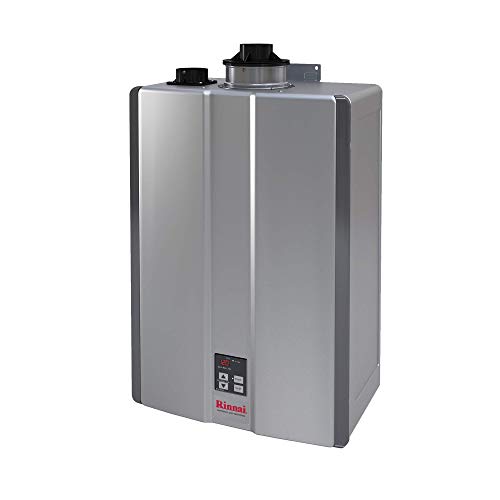
Rinnai RU199iN Gas Tankless Heater

xwdzswgs 3000W Electric Heater

xwdzswgs 3000W ETL Heater

Jflapil 3000W Electric Heater

Baococo 18L Propane Heater
Best Tankless Water Heater Brands for 2026
Rinnai is the best tankless water heater brand for most homes because its RU199iN combines high output, efficient condensing operation, broad installer familiarity, and a strong warranty; the right choice still depends on fuel, demand, and available service.
That puts Rinnai at the top of this tankless water heater brands list for a typical whole-house installation. It’s also the safest answer to searches for the most reliable tankless water heater, top tankless water heater brands, and the best tankless water heater brands when you want a supported permanent installation rather than the lowest purchase cost.
| Pick | Best fit | What stands out | Support check |
|---|---|---|---|
| Rinnai RU199iN | Most homes and larger households | Gas-fired condensing design, high hot-water output, established installer support | Read the current warranty terms and confirm a qualified local service provider |
| 110V Tankless Water Heater Electric | Electric-only homes or smaller point-of-use jobs | Uses a 110V supply and avoids gas venting | Confirm circuit requirements, flow at your incoming water temperature, and warranty coverage |
| 18L Tankless Water Heater Propane with Digital Display | Portable or propane-fed hot-water needs | Propane fuel and a digital display make operation easier to monitor | Use only where the manual permits; confirm indoor or outdoor rating and service support |
| Tankless Water Heater Electric | Small-space electric installations | Compact electric format for places without a gas line | Check the required circuit, listing, maximum flow, and replacement parts availability |
The electric models suit an electric-only property only if their flow matches the job and the home’s wiring can supply them. A 110V label doesn’t make a unit a whole-house replacement for a high-demand gas heater. The propane model can fit a portable setup, but skip it for indoor use unless its listing and manual specifically approve indoor installation, ventilation, and the required safety controls.
If you want to compare more options before choosing a tankless water heaters company, start with this tankless water heater brand buying guide. It helps separate a recognizable name from a model that actually fits the installation.
 Water Heater Owner's ToolkitFix the common faults yourself, keep it running for years, and know when a repair is money wasted.No-hot-water flowcharts, gas and electricFlush, anode, relief valve and descaling stepsRepair-or-replace calculator (Excel)
How to Choose a Tankless Water Heater Brand That Fits Your Home
To choose the best brand for a tankless water heater, match three things first: fuel type, maximum flow in gallons per minute, and installation requirements. Those checks matter more than a glossy brand claim when you’re choosing the best residential tankless water heater or best tankless hot water heater.
Warranty and service network affect the cost of ownership after installation. A longer warranty is little comfort if the nearest qualified technician is far away or the required control board takes weeks to source; read what the warranty covers, who performs the labor, and which maintenance conditions apply.
For an electric-only home, compare electric tankless models by usable flow and circuit requirements rather than brand name alone. This electric tankless water heater brand guide is the useful next stop if your search has narrowed to electric units.
Sizing a Tankless Water Heater: Get the GPM Right or Pay for It Later
Tankless water heater sizing starts with your peak simultaneous flow, then checks the temperature rise your climate demands. The best tankless water heater for your home is the unit that can deliver that GPM at your winter inlet temperature; the most efficient tankless water heater or best budget tankless water heater is still a poor choice if it runs out of capacity.
For an affordable tankless water heater, size a single-bathroom or low-flow home around its real peak use instead of paying for unused capacity. The 18L Tankless Water Heater Propane with Digital Display may suit a modest propane setup only if its flow chart covers your winter temperature rise; a whole-home choice such as the Rinnai RU199iN needs the gas supply, venting and demand to justify its larger capacity.
Running Costs: Real Numbers for Gas and Electric Tankless Water Heaters
Are tankless water heaters worth it? Often, yes, when you use enough hot water to benefit from on-demand heating and the installation fits your home; monthly cost depends more on gallons heated, temperature rise, UEF and local fuel prices than on the tankless label. The most efficient hot water heater is the suitable model with the highest certified UEF, not automatically the gas or electric type.
| Heater | Watts | Per hour | Per day (0.5 h) | Per month (30 days) |
|---|---|---|---|---|
| Electric tankless example | 12,000 W | $2.04 | $1.02 | $30.60 |
The electric estimate follows watts ÷ 1,000 × hours × days × price per kWh. A 12 kW heater running 0.5 hour daily uses 6 kWh per day, or 180 kWh in 30 days; at 17 cents per kWh, that is $30.60 for the heating energy. Actual use changes with shower length, flow and incoming water temperature.
For gas, use the unit’s input rating and actual burner hours: BTU per hour ÷ 100,000 × hours × days × price per therm. For example, a 150,000 BTU/h heater running 30 minutes per day uses 0.75 therm per day, or 22.5 therms in 30 days; at $1.50 per therm, the gas portion is $33.75. Add electric power for controls and venting equipment where applicable.
Cold climates raise costs because the heater must add more degrees to the incoming water. A recirculation pump can also add electricity use and keep hot water moving through pipes, where heat escapes; tankless units avoid a storage tank’s standby loss, but recirculation doesn’t make pipe loss disappear.
Safety, Codes, and the One Mistake Most Installers Still Make
Installing a condensing tankless water heater is safe when the gas line, vent, condensate drain, combustion air, and electrical supply all match the manufacturer’s instructions and local code. An easy-install tankless water heater is usually a small point-of-use electric model; a whole-house gas unit is a plumbing, gas, venting, and electrical job.
Among tankless water heater gas brands, look for documented flame-failure shutdown, overheat protection, freeze protection where needed, a flow sensor, and a listed venting system. Check the rating plate and installation manual for the certification mark required in your area; electric units commonly carry a UL, ETL, or CSA listing. A listing doesn’t make a poor installation safe.
| Check | Why it matters |
|---|---|
| Gas line sizing | A tankless burner can need more gas flow than the old tank heater. |
| Venting | A condensing unit needs approved vent material, correct slope, terminations, and combustion-air provisions. |
| Condensate | The acidic drain must run where code permits, often through a neutralizer. |
| Electrical circuit | Ignition, controls, freeze protection, and a recirculation pump need the supply specified by the manual. |
Call a licensed plumber for gas piping, water connections, venting, and condensate work, and call a licensed electrician for a new circuit or other fixed wiring where local rules require it. A plug-in control connection is one thing; opening the electrical panel is another.
Hard Water, Recirculation, and Service Longevity in Tankless Heaters
The most reliable tankless water heater isn’t the one with the highest efficiency rating—it’s the one that still works in year seven when your water has 12 grains of hardness and the control board throws a code at 9 p.m. on a Sunday. Brands differ less in burner design than in three things buyers ignore until they matter: parts availability in your region, how the unit handles mineral buildup, and whether the installer can actually service what they sold you.
Hard Water Will Find the Weak Point
Hard water above 7 grains per gallon deposits calcium and magnesium scale inside the heat exchanger. Scale narrows the flow path, raises outlet temperature beyond the setpoint, and forces the burner to fire longer. Left alone, it cuts efficiency by 20 to 30 percent and can crack the exchanger when hotspots form.
Flush interval depends on hardness and daily use. Water at 10 grains running two showers a day typically needs descaling every 12 to 18 months; 15 grains cuts that to 9 months. The flush uses a submersible pump, two hoses, and white vinegar or the manufacturer’s approved descaler circulated through isolation valves for 45 minutes. If the installer didn’t add isolation valves, you’ll pay a plumber to drain and disconnect the unit each time.
Rinnai, Noritz and Navien all publish flush procedures and sell descaling kits; the difference is whether your area has technicians trained on that brand’s codes and valve layout. A tankless water heater manufacturer with no local service presence becomes your problem when a flush doesn’t clear the error or a sensor fails mid-winter.
Recirculation Cuts Wait Time but Adds Complexity
A recirculation pump keeps hot water moving through the supply lines so the tap runs hot in seconds instead of a minute. Some units integrate the pump and controls; others need an external pump, a timer, and either a dedicated return line back to the heater or a crossover valve under the farthest fixture that mixes hot supply into the cold line.
The tradeoff: recirculation uses energy every time the pump runs, and it cycles water through the heat exchanger more often, which accelerates mineral exposure in hard-water areas. A timer that runs the pump only during morning and evening peaks uses less energy than continuous recirculation but still adds 50 to 100 kWh a year for the pump and standby heat loss.
Service Network Beats Brand Reputation
A tankless water heater has more parts that can fail than a tank: flow sensors, flame rods, ignition modules, gas valves, control boards, and in condensing models, a condensate neutralizer and drain trap. Any one of those can stop hot water even when the heat exchanger is sound.
Before you choose among tankless water heater manufacturers, search for an authorized service technician within 30 miles, check that the brand’s parts ship to your area without a three-week backorder, and download the installation manual to see whether error codes are explained or cryptic. A premium brand with no local support costs more in lost hot water and emergency service calls than a mid-tier unit your plumber already knows.
Rinnai and Noritz have wider North American service networks than most; Navien parts are common but not universal. Asking your installer which brand they service most often tells you more than any review site will.