
Extending your swimming season without a shocking energy bill is a common goal for pool owners. A solar powered inground pool heater offers a compelling solution, harnessing free energy from the sun to warm your water. It’s a smart investment that blends modern efficiency with long-term savings, turning your pool into a more usable and sustainable asset.
The technology is more accessible than ever. Whether you’re looking at a full solar pool heating system or a simpler solar thermal solution, understanding the components and costs is key. For smaller pools or as a supplementary boost, products like the Intex 28685E 47 solar mat provide a surprisingly effective and affordable entry point. It’s a great example of how solar principles can be applied practically.
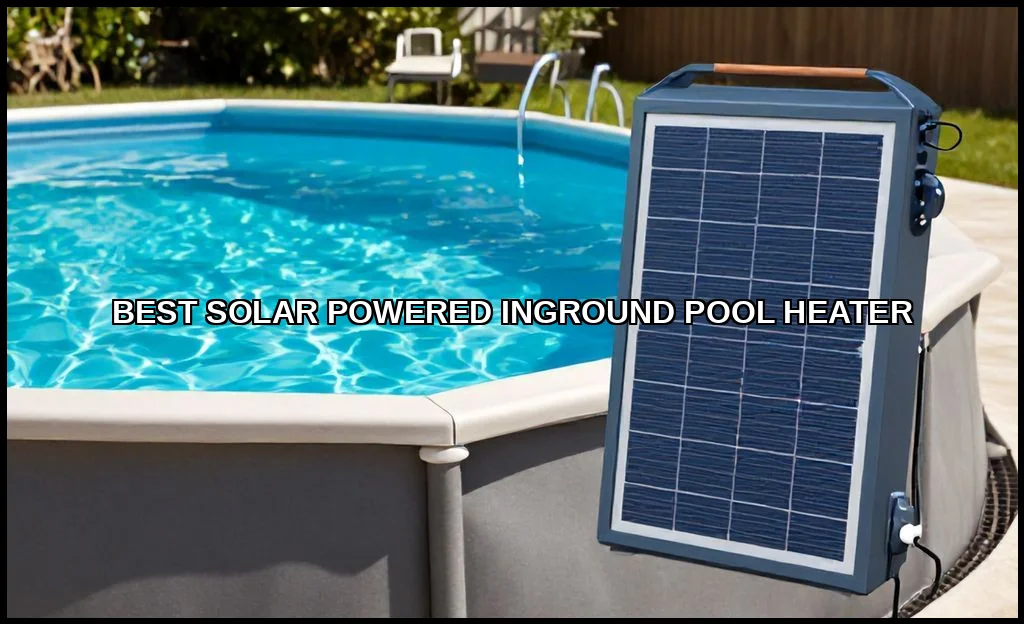
How Solar Pool Heaters Work: Types and Components
At its core, a solar heater is a simple concept. It uses solar thermal collectorspanels or matsto capture the sun’s heat. Pool water is pumped through these collectors, warms up, and returns to the pool. A solar controller automates this process, diverting water only when the collectors are hotter than the pool.
The Main Types of Solar Collectors
You’ll typically encounter two main designs, each with pros and cons.
- Unglazed Collectors: Made from durable, UV-resistant rubber or plastic. They’re cost-effective, lightweight, and perfect for seasonal use in moderate climates. Their efficiency drops significantly in cold or windy conditions.
- Glazed vs unglazed panels is a key distinction. Glazed Collectors: Feature a glass or polycarbonate covering and insulated backing. They trap heat more effectively, making them suitable for cooler climates or year-round heating. They are, however, more expensive and heavier.
Your choice impacts everything from solar heating efficiency to installation logistics. For a typical residential inground pool, unglazed panels are often the best solar heater for pool applications where cost and seasonal use are priorities.
Top-Rated Solar Pool Heater Models & Brands
Choosing a system isn’t just about specs; reliability and support matter. Leading brands have built reputations on durability and performance.
- Heliocol: Known for high-quality, glazed panels with strong warranties. Often cited in solar pool heater reviews for superior performance in varied climates.
- Fafco: A pioneer with the SunSaver series, offering robust unglazed panels. They’re a go-to for many installers due to proven longevity.
- Aquatherm & Solar Industries: Provide excellent value and a wide range of systems, from simple DIY kits to professional-grade installations.
When evaluating inground pool solar panels, look beyond the upfront price. Consider the warranty, the company’s track record, and the BTU output relative to your pool’s surface area. A quality system is a 15-20 year investment.
Cost Analysis: Solar vs. Gas vs. Electric Heaters
Let’s talk numbers. The initial sticker shock of a solar system can be real, but the operational cost story is completely different.
| Heater Type | Avg. Installation Cost | Annual Operating Cost | Key Consideration |
|---|---|---|---|
| Solar Pool Heater | $3,000 – $8,000+ | $0 – $150 (pump electricity) | High upfront, near-zero fuel cost |
| Gas Heater (Propane/Natural) | $1,500 – $5,000 | $500 – $2,500+ | Fast heat, very high ongoing fuel cost |
| Electric Pool Heat Pump | $2,500 – $6,000 | $300 – $1,000 | Efficient but needs warm ambient air |
Costs vary wildly by climate, pool size, and usage. This is a simplified comparison.
The payback period for solar is its strongest argument. While a gas heater might be cheaper to install, its annual fuel costs can eclipse the entire price of a solar system in just a few years. A solar vs heat pump pool heater debate often centers on climate; heat pumps need warm air to work, while solar needs sunny skies. For a detailed breakdown of heating efficiencies, the Department of Energy has an excellent authority guide on solar thermal principles.
This logic applies to other home heating choices too. Just as you’d research the best battery operated heater for portable needs, selecting a pool heater requires weighing initial investment against long-term operational expense.
Installation Guide: Sizing, Placement, and DIY Potential
Proper installation is 80% of a solar heater’s performance. Getting it wrong means lukewarm results at best.
Sizing Your System
The rule of thumb: your solar collector area should be 50-100% of your pool’s surface area. A 400 sq. ft. pool needs 200-400 sq. ft. of collectors. In cooler or cloudier regions, aim for the higher endor even more. This directly answers “how long does a solar pool heater last?” A properly sized system won’t have to work as hard, extending its lifespan.
Roof vs. Ground Mount
- Roof Mount: Most common. Uses existing space but requires a strong, south-facing roof. Penetrations must be perfectly sealed.
- Ground Mount: More flexible for placement and angle optimization. Uses up yard space and requires a sturdy racking system.
Placement is non-negotiable. Collectors must face true south (in the Northern Hemisphere) with a tilt angle roughly equal to your latitude. Shading for more than a few hours a day kills efficiency.
The DIY Question
For the savvy homeowner, a DIY solar pool heater is possible, especially with modular mat systems. It involves plumbing, basic electrical for the controller, and secure mounting. If you’re comfortable with those tasks, you can save on labor. For complex roof mounts or large glazed panel systems, professional installation is strongly recommended. It’s similar to finding the right tool for the jobyou want the best space heater for a room, but you also need to plug it in correctly.
Maintenance, Longevity, and Climate Considerations
Solar pool heaters are famously low-maintenance, but they aren’t “install and forget” devices.
Routine Care
- Periodically check for leaks, especially at connections.
- Ensure the solar controller is functioning and sensors are clean.
- Inspect panels for debris like leaves or pine needles.
- In freezing climates, the system must be properly winterized by blowing out water lines.
Pairing your system with a solar pool cover is a game-changer. It reduces evaporation (the primary source of heat loss) at night, easily boosting your overall pool temperature by 5-10 degrees. It’s the cheapest efficiency upgrade you can make.
Climate Suitability and Winter Performance
This addresses the big question: do solar pool heaters work in winter? The answer is nuanced. In sunny but cold climates, they can extend your season by several weeks on either end. But they cannot typically maintain a swimmable pool temperature through a freezing winter without a massive, oversized system. For true cold-weather heating, they are often combined with a heat pump or gas heater as a backup. Finding the best solar heater for inground pool in cold climate means prioritizing glazed panels and maximizing collector area.
With proper care, a quality system lasts 15-25 years. That longevity, combined with minimal operating costs, makes the total pool heating cost over two decades dramatically lower than any fossil-fuel alternative.
Choosing a solar powered inground pool heater is a decision that pays off in comfort, sustainability, and long-term savings. It requires an upfront investment and careful planning regarding size and placement. Yet, the reward is decades of extended swim seasons powered by free, clean energy. Start by assessing your site, calculating your needed collector area, and getting quotes for a system sized for your goals. Your future self, enjoying a warm pool without the guilt of a high energy bill, will thank you.
