
Keeping your greenhouse warm is a delicate dance. It’s not just about fighting the cold; it’s about creating a stable, nurturing environment where your plants can thrive, not just survive. A reliable small greenhouse heater is the linchpin of this effort, protecting your investment in seedlings, exotic plants, and year-round harvests from a sudden frost.
Choosing the right one, however, can feel overwhelming. You’re balancing heat output, safety, cost, and the specific needs of your structure. This guide cuts through the noise. We’ll walk you through the critical factors, review top products, and share installation secrets to ensure your greenhouse heating is effective, efficient, and safe.
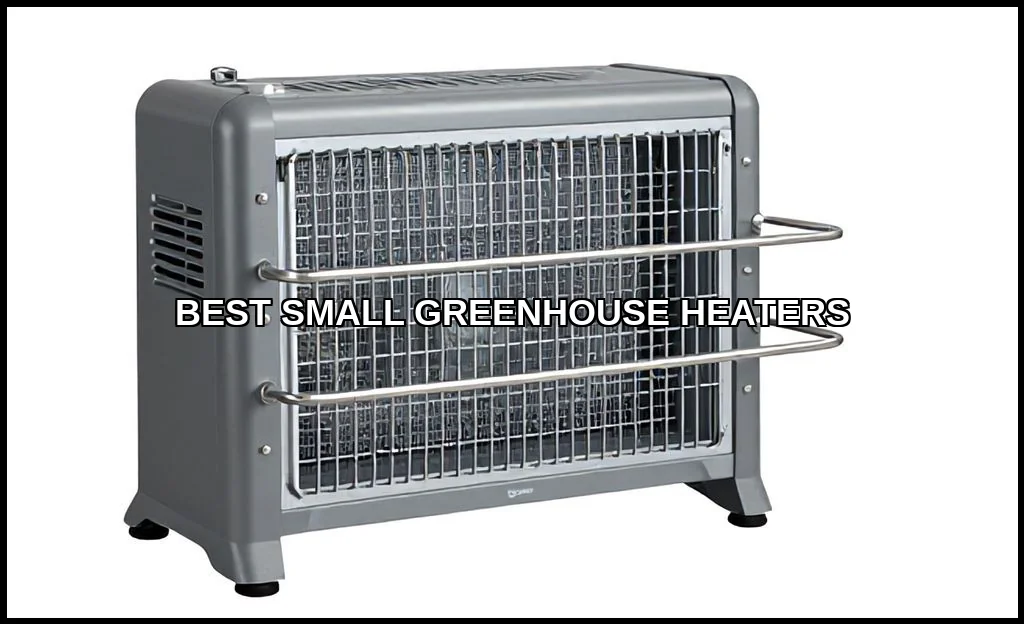
Critical Factors for Choosing a Small Greenhouse Heater
Before you buy a single watt or propane tank, you need to assess your unique setup. Skipping this step is the fastest way to waste money on a heater that’s either dangerously underpowered or unnecessarily expensive to run.
Heater Types & Technologies
Your first major decision is the power source. Each has distinct pros and cons for greenhouse heating.
- Electric Greenhouse Heaters: These are the most common for small spaces. They’re clean, quiet, and often equipped with fans for even heat distribution. The key is finding one with precise Thermostat Control. For maximum efficiency, pair any electric heater with a dedicated Greenhouse Heater Thermostat. This separates the sensor from the heater’s internal electronics, giving you true ambient temperature control.
- Propane Greenhouse Heaters: Ideal for unpowered greenhouses or areas with expensive electricity. They generate a lot of heat quickly. The critical caveat? They produce moisture and combustion gases, so ventilation is non-negotiable. Never use a standard propane heater indoors without proper venting.
- Seedling Heat Mats: Don’t overlook these for targeted frost protection. They provide bottom heat directly to root zones, perfect for germination and young plants, and are incredibly energy-efficient for that specific task.
Sizing & BTU Requirements
Getting the size right is everything. Too small, and your plants freeze. Too large, and you’re cycling on/off inefficiently, creating temperature swings and wasting fuel. Heat output is measured in BTU (British Thermal Unit).
A basic formula for a well-insulated greenhouse: Multiply the cubic feet (Length x Width x Height) by 0.133. For a typical 6×8 greenhouse with an 8-foot peak, that’s roughly 384 cubic feet x 0.133 = ~51,000 BTU. But that’s a starting point.
Ask yourself: what size heater for a 6×8 greenhouse in my climate? If you’re in Minnesota, you’ll need a higher BTU rating than in North Carolina. Drafty plastic greenhouses lose heat faster than polycarbonate or glass. This authority guide from university extensions offers more detailed calculations.
Energy Efficiency & Cost
The purchase price is just the entry fee. The real cost is in operation. Energy efficient greenhouse heating starts with a good seal on your greenhousefix those gaps first! Then, focus on features:
- A programmable or digital thermostat prevents overheating.
- Fan-forced models distribute heat more evenly than radiant ones.
- For electric models, ceramic elements are often more efficient than simple metal coils.
- Many gardeners find a combination approach, like a primary heater for nighttime lows and seedling heat mats for specific trays, is the cheapest way to heat a small greenhouse in winter.
Review of Top 5 Best Small Greenhouse Heaters
Based on safety features, reliability, and user feedback, here are five standout options for different needs and budgets.
1. Optimus H-5210 Portable Electric Greenhouse Heater
A fan-forced ceramic heater that’s a workhorse for small to medium spaces. Its standout feature is excellent Tip-Over Protection and overheat protection, making it a contender for the best safe heater for a plastic greenhouse. The adjustable thermostat isn’t pinpoint accurate, which is why pairing it with an external controller is wise.
2. Mr. Heater F232000 MH9BX Buddy Propane Heater
The go-to portable greenhouse heater for unpowered structures. It’s oxygen-depletion sensor (ODS) equipped for safety and provides up to 9,000 BTU. Remember, it requires ventilation. Perfect for emergency greenhouse frost protection or weekend greenhouse visits in cold weather.
3. Vornado MVH Vortex Heat Circulator
This isn’t a typical heater. It uses a unique vortex action to silently circulate warm air that stratifies at the ceiling back down to plant level. It’s a fantastic efficiency booster when used with your primary heat source, promoting even greenhouse temperature control and reducing hot/cold spots.
4. Dr. Infrared DR-968 Garage & Shop Heater
For a larger small greenhouse or a very cold climate, this powerful 1500W heater delivers. It uses infrared and PTC ceramic technology with a forced fan. It’s built like a tank, includes a 24-hour timer, and features both tip-over and overheat protection. It’s a serious investment for serious gardeners.
5. Hydrofarm Seedling Heat Mat
Included because targeted heating is smart heating. This seedling heat mat provides consistent, gentle bottom heat. It drastically improves germination rates and seedling vigor. For starting plants, it’s often more effective and efficient than trying to heat the entire air space of the greenhouse to a tropical level.
Installation Tips & Safety Best Practices
A great heater installed poorly is a hazard. Follow these rules to sleep soundly.
Safety & Installation
Safety isn’t a feature; it’s a system. Start with a stable, level, non-flammable surface. Concrete pavers are ideal. Always secure the heater’s cord out of walkways. The number one question we get: how to prevent greenhouse heater from tipping over? Use the built-in Tip-Over Protection switch (most modern heaters have them), and consider physically securing the unit with a strap or bracket if in a windy, drafty location.
For electric heaters, use a GFCI outlet to prevent shock hazards. For propane, check all connections with a soapy water solution for leaks before each use. Never leave a propane heater unattended for long periods. It’s also worth checking out other best ventless heaters for permanent installation ideas, though remember, “ventless” does not mean suitable for all enclosed plant spaces due to humidity.
Optimizing for Performance
Place your heater near the center of the greenhouse, under a bench if possible, to allow heat to rise and circulate naturally. Use a small fan (like the Vornado above) to prevent stratification. Insulate the north wall of your greenhouse with bubble wrap or foam boardsit’s a game-changer for heat retention. Monitor humidity; heaters dry the air, so you may need to add moisture back for your plants’ health.
FAQ: Your Small Greenhouse Heating Questions Answered
What’s the safest type of heater for a plastic greenhouse?
An electric heater with full safety features (Tip-Over Protection, overheat shut-off, and a cool-touch exterior) is generally safest for plastic structures. Keep any heater well away from the plastic walls and any flammable materials like burlap or dry leaves.
Can I use a home space heater in my greenhouse?
You can, but you shouldn’t use just any model. Greenhouse environments are damp. You need a heater rated for high-moisture or outdoor use. Standard bedroom heaters often lack the robust safety features and weather resistance needed. For reliable options, see our list of the best space heaters suitable for tougher environments.
How low should I let the temperature drop at night?
It depends entirely on what you’re growing. Seedlings and tropicals may need 65-70F. Hardy greens like spinach can handle dips into the 40s. The goal of greenhouse temperature control is consistency. A 10-degree swing is better than a 30-degree swing. Know your plants’ needs and set your Thermostat Control accordingly.
The right small greenhouse heater is a balance of science and practicality. It begins with an honest assessment of your space and climate to nail down the required BTU (British Thermal Unit). Prioritize safety features like a reliable Thermostat Control and Tip-Over Protection above all else. Remember, the most efficient system often combines a primary heater for ambient air with targeted tools like heat mats. Start with a well-sealed greenhouse, install your heater thoughtfully on a stable surface, and use a fan to circulate warmth. This approach turns heating from a constant worry into a reliable background process, letting you focus on what mattersthe growth happening right in front of you.
