
When you think of a rooftop HVAC unit, you probably picture a commercial building. But these systems are making a serious play for residential use, especially on modern homes with flat or low-slope roofs. A residential rooftop HVAC unit consolidates all heating and cooling components into a single, weatherproof Packaged Unit installed on your roof. It frees up valuable yard and basement space, reduces noise inside the home, and can be a sleek, out-of-sight solution.
Choosing the right system, however, isn’t as simple as picking the shiniest box. You’re balancing efficiency, cost, and long-term reliability. For homeowners considering this route, many professionals point to the Rooftop HVAC Solution as a comprehensive kit that addresses common installation challenges. It’s a solid starting point for understanding the components involved.
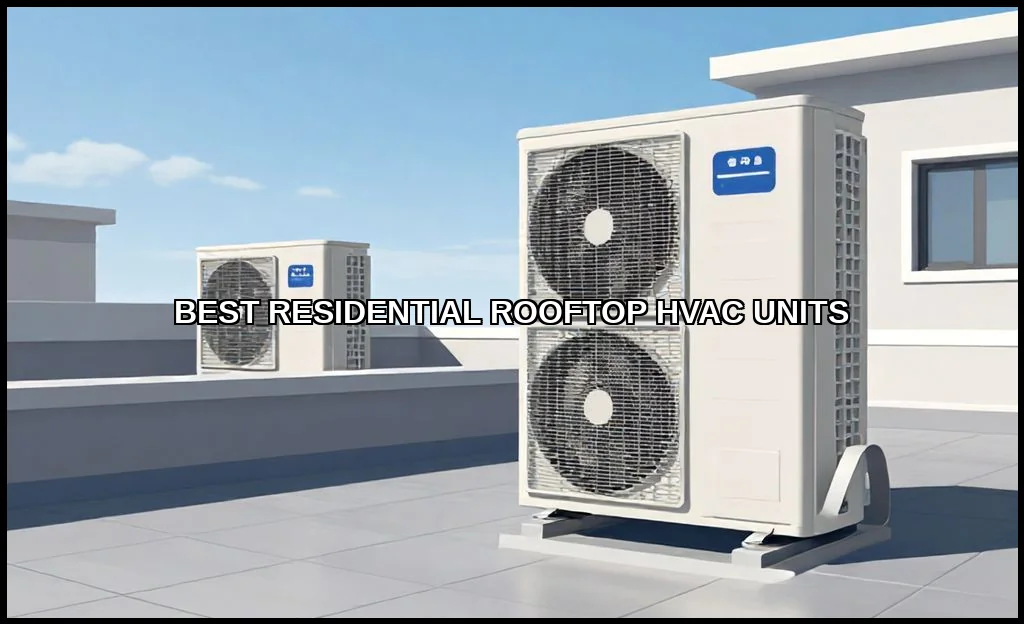
What is a Residential Rooftop HVAC Unit?
At its core, a residential rooftop unit (often called an RTU HVAC system) is a self-contained air conditioner and heater. Unlike a split system where components are separated, everythingthe compressor, coils, fan, and often the gas furnace or electric heat stripslives in one cabinet. Conditioned air is then ducted down into your living spaces. This design is a game-changer for homes without a convenient side yard for a traditional condenser.
The concept of rooftop heating and cooling is proven in commercial settings for decades. Its adaptation for homes brings those durability benefits, but with a focus on quieter operation and higher efficiency ratings suitable for residential energy bills. It’s a different approach to whole-home comfort.
Rooftop HVAC vs. Other Systems
How does it stack up against the alternatives? The classic debate is split system vs rooftop installation.
- Split Systems: The standard. An outdoor condenser pairs with an indoor air handler/furnace. Requires both exterior ground space and interior closet or basement space.
- Rooftop Packaged Unit: All-in-one. Only requires roof space and duct connections. Often easier to service from one location.
- Ground Units: Similar packaged units placed on a concrete slab at ground level. They avoid roof access issues but consume yard space.
Considering the pros and cons of rooftop HVAC vs ground unit is key. Rooftop units mitigate flood risk and pest interference. Ground units are typically easier for technicians to access for routine maintenance. Your home’s architecture and lot size will heavily influence this decision.
Top Residential Rooftop HVAC Brands & Models Compared
Not all best rooftop HVAC brands offer robust residential options. The market is led by established giants who have scaled down commercial technology. Heres a snapshot of key players.
| Brand | Residential Model Series | Notable Features | Ideal For |
|---|---|---|---|
| Carrier | WeatherMaker Packaged Units | Excellent noise reduction, Greenspeed intelligence available | Homeowners prioritizing quiet operation and smart integration |
| Trane | Voyager Residential Packaged | Durable Climatuff compressor, all-aluminum coils | Harsh climates where longevity is the top concern |
| Lennox | Merit & Elite Series Packaged | High SEER Rating options, SunSource solar-ready | Energy-conscious owners, especially in sunny regions |
| Rheem | Classic Plus & Prestige Series | Good value, EcoNet zoning compatibility | Budget-aware buyers wanting future zoning options |
This is just a starting point. A residential RTU from these brands will typically offer SEER ratings from 14 up to 18+, which is competitive with high-end split systems. Always get multiple quotes and model-specific details for your home.
Key Features & Buying Considerations
You can’t just pick a brand. You need to dissect the specs. Focus on these elements to choose the best rooftop HVAC unit for a flat roof or any other type.
Efficiency & Performance Metrics
- SEER Rating (Seasonal Energy Efficiency Ratio): For cooling. Higher is better. Aim for 16+ in most regions for cost savings.
- HSPF (Heating Seasonal Performance Factor): For heat pump heating efficiency. Look for 9+.
- Ton Capacity: This isn’t weight. It’s cooling power. A crucial sizing metric we’ll cover next.
- Sound Ratings: Measured in decibels. A quieter unit (below 75 dB) is vital for residential harmony.
Construction & Compatibility
A ducted rooftop system needs a compatible ductwork layout. Your existing ducts might need modification. Also, consider the cabinet. Galvanized steel with a baked-on paint finish resists rooftop weather far better than thin, untreated metal. For flat roofs, a special curb is usually required for proper drainage and sealinganother reason professional installation is non-negotiable.
And while we’re discussing essential gear, having reliable backup for focused heating can be wise. It’s why many keep a portable backup heater on hand for emergencies or supplemental warmth.
Installation, Sizing & Cost Guide
This is where projects succeed or fail. A perfectly good unit ruined by poor installation is a costly nightmare.
How to Size Your System Correctly
The million-dollar question: what size rooftop HVAC unit do I need for my house? The answer is never “the same as your neighbor’s.” Ton Capacity is determined by a Manual J load calculation. A pro will assess your home’s square footage, insulation, window types, sun exposure, and even local climate data. An oversized unit short-cycles, wasting energy and failing to dehumidify. An undersized unit runs constantly and never reaches the desired temperature.
Breaking Down Rooftop HVAC Cost
Let’s talk numbers. Rooftop HVAC cost is typically higher than a comparable split system. Why? The unit itself is more complex, and installation involves cranes, roof work, and potentially duct modifications.
- Unit Cost: $3,000 – $7,000+ for the hardware, depending on brand, efficiency, and capacity.
- Installation Cost: $4,000 – $10,000+. This is the major variable. Roof type, accessibility, and ductwork complexity drive this.
- Total Project Range: $7,000 – $17,000+ is a realistic bracket for a full residential install.
So, are residential rooftop HVAC units worth the cost? For the right homeyes. The value comes from space savings, noise reduction, and often a cleaner aesthetic. It’s an investment in your property’s layout and future. For budget-friendly heating solutions in other areas, checking affordable heater options can be a smart move for supplemental needs.
The Installation Process
A professional crew will handle this, but you should know the steps: roof structural assessment, curb installation, using a crane to lift the unit, securing and sealing it, connecting ductwork and electrical lines, and finally, commissioning the system. Permits are always required. Don’t skip them.
Maintenance & Long-Term Value
A rooftop unit is low-profile but not no-maintenance. Think of it as an asset on your roof that needs regular check-ups.
Essential Maintenance Tasks
- Twice-Yearly Professional Service: Before cooling and heating seasons. This includes checking refrigerant levels, electrical components, and heat exchangers.
- Monthly Visual Checks (from ground/safely): Look for debris, standing water around the unit, or visible damage.
- Filter Changes: Crucial. A clogged filter strains the entire system. Follow manufacturer intervals, often every 1-3 months.
- Keep the roof drainage clear. You don’t want water pooling around the unit’s base.
Proper maintenance protects your investment and ensures efficiency. For more on optimizing system performance, the official energy guide is an excellent resource.
Weighing the Long-Term Investment
The long-term value is clear: a well-chosen and installed rooftop AC unit can last 15-20 years. It increases home value by modernizing the HVAC approach and freeing up usable square footage. The energy savings from a high-efficiency model, especially in regions with extreme temperatures, can offset a significant portion of the initial premium over time. It’s a strategic upgrade.
Choosing a residential rooftop HVAC system is a significant decision. It moves mechanicals out of sight and mind, but demands careful planning, precise sizing, and professional installation. Focus on the correct Ton Capacity and a high SEER Rating for your climate. Vet your installer as rigorously as you vet the equipment brand. When done right, a rooftop Packaged Unit delivers seamless, quiet, and efficient comfort for years, making that rooftop real estate work harder for you and your home.
