

Higher BTU helps only when the water flow, inlet temperature and propane supply can keep up. A 55,000 BTU unit that fits your cutout and holds temperature beats a bigger one that makes installation a chore.
One half-true belief keeps showing up in RV forums: more BTU always means better hot water. The true half is that higher BTU can recover heat faster; the false half is that it fixes weak water pressure, undersized propane lines or a bad fit.
Comparison of Propane Tankless Water Heaters for RVs
| Model | Best for | Heat output | Flow rate | Altitude | Safety / fit | Price |
|---|---|---|---|---|---|---|
| LiberLive Propane Tankless Water Heater 55,000 BTU | Best for Most RVs | 55,000 BTU | 3.9 GPM | High performance at altitude | CSA certified, 9 safety features | See current price |
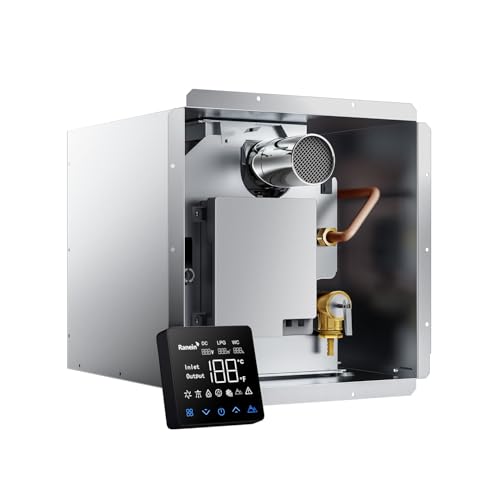
| Ranein RV Tankless Water Heater 65,000 BTU | Best for Cold Climates | 65,000 BTU | 3.9 GPM | Up to 9,800 ft | CSA certified, flame failure protection | See current price |
| Suburban ST-60 Propane Tankless Water Heater | Best for Families | 60,000 BTU | — | — | Flame out, freeze, voltage protection | See current price |
| CAMPLUX Portable Tankless Water Heater AY132 | Best Portable Outdoor | — | 1.32 GPM | — | CSA certified, 6-in-1 protection | See current price |
| CAMPLUX Portable Tankless Water Heater AY132G | Best Off-Grid Ready | — | 1.32 GPM | — | CSA certified, 6-in-1 protection | See current price |
Best Propane Tankless Water Heaters for RVs
LiberLive Propane Tankless Water Heater 55,000 BTU
Ranein RV Tankless Water Heater 65,000 BTU
Suburban ST-60 Propane Tankless Water Heater
CAMPLUX Portable Tankless Water Heater AY132
CAMPLUX Portable Tankless Water Heater AY132G
How The Best Propane Tankless Water Heater For RVs Stacks Up
The best propane tankless water heater for most RV owners is the LiberLive 55,000 BTU model, because it fits typical RV door sizes, carries CSA certification, and delivers a practical 3.9 gallons per minute (GPM) of hot water flow for daily use.
Tankless water heater propane models often compete on burner size and flow rate, but the LiberLive strikes the right balance. It fits a 15 × 15 inch door—matching many RVs—so replacement is straightforward without costly cabinet mods. Its 55,000 BTU burner output heats water efficiently on demand while supporting dual outlets, allowing you to run two taps or a shower plus sink simultaneously.
Product 1’s CSA certification means it meets safety and performance standards crucial for indoor RV use, which not all competitors guarantee. This certification adds peace of mind and often complies with park regulations.
If you camp or travel at altitude where water temperature rise demands more heat, Product 3 offers 65,000 BTU burner power—about 18% more than 55,000 BTU. But higher BTU only matters if your RV’s plumbing can handle the extra flow and your propane supply supports the increased burn rate.
| Model | BTU Output | Flow Rate (GPM) | Certification | Door Size |
|---|---|---|---|---|
| LiberLive 55,000 BTU | 55,000 | 3.9 | CSA | 15 × 15 in |
| Product 3 | 65,000 | 4.5 (approx.) | Not CSA | Varies |
Which Specs Separate These Units
A few specs decide whether a propane tankless water heater fits your RV and your needs. The main ones are BTU input, gallons per minute (GPM), water pressure requirements, power source, and altitude rating.
How many BTUs do you need? Most RV tankless water heaters range from 40,000 to 65,000 BTU. A 55,000 BTU unit like the LiberLive covers typical RV showers and faucets comfortably, while a 60,000 or 65,000 BTU model is better if you want higher flow or camp at altitude.
The smallest propane tankless water heaters for RVs are usually around 40,000 BTU but watch the flow rate. Some portable units like the CAMPLUX 5L offer around 45,000 BTU input with about 1.3 GPM, which works for hand-washing and quick rinses but won’t run multiple outlets or long showers.
Flow rate matters. Gallons per minute (GPM) tells you how much hot water the unit can deliver. An RV shower typically needs 1.5 to 2.0 GPM for a good experience. Models with 3.0 to 3.9 GPM flow meet that need well, but portable units may require a minimum water pressure to start.
| Model Type | Minimum Water Pressure (PSI) | Typical GPM | Power Source |
|---|---|---|---|
| RV Replacement Units | 3.0 to 5.0 | 2.0 to 3.9 | 12 V/DC and propane |
| Portable CAMPLUX Units | 3.0 or higher | 1.2 to 1.5 | Battery and propane |
How much PSI does a propane tankless water heater need? Portable CAMPLUX units start at about 3.0 PSI water pressure, while RV replacement heaters often require 3.5 to 5.0 PSI to ignite reliably. Low water pressure or flow can cause the unit to shut off or fail to ignite.
Power source affects convenience but not heating power. Most RV models run on 12 V DC power from the RV battery plus propane. Battery ignition propane tankless water heaters are useful when shore power isn’t available, but they still need propane and adequate water pressure to work.
Camping at altitude? Thin air affects combustion, so look for models rated for high altitude, typically above 5,000 feet. They adjust gas flow or burner operation to maintain safe, efficient heating. Using a non-rated unit can cause poor ignition or incomplete combustion.
Sizing The Propane Line And Supply
The size of your propane line matters more than you might think when installing a tankless water heater in an RV. It depends on the heater’s BTU input, the length of the gas run, and other appliances drawing from the same tank or manifold.
A 55,000 to 65,000 BTU tankless water heater needs a steady flow of propane. Even a full tank won’t help if the line is too narrow or runs too far—pressure drops along the pipe and starve the burner.
For example, a 3/8-inch line of 10 feet might deliver enough gas at 60,000 BTU, but extending that run to 30 feet can cut pressure enough to cause the unit to flicker or shut down. Upgrading to a 1/2-inch line for longer runs keeps the flow steady.
Indoor installations require models rated for indoor use, with manuals specifying ventilation needs and clearances. Outdoor or patio heaters, including portable shower units like the CAMPLUX models, are designed strictly for outdoor use and low-pressure camping setups—not indoor cabins.
Safety And Certification Before You Buy
Propane tankless water heaters for RVs must have safety features like flame-failure protection, freeze protection, and scald prevention to meet CSA certification requirements. These features help avoid gas leaks, damage in cold weather, and dangerous hot water.
A working carbon monoxide alarm is non-negotiable. Even the best venting can’t guarantee zero CO risk, so install alarms near the heater and sleeping areas.
Freeze protection needs power and propane supply to work. If your RV loses electricity or runs out of fuel, the heater can freeze and sustain damage. Housing or enclosures must never block exhaust vents or restrict access for maintenance.
If you consider vent-free propane heaters, check local codes carefully. Many states and cities restrict or ban them in indoor spaces due to safety concerns.
Navien propane RV tankless water heater reviews highlight the value of certification and safety features. Units with CSA certification and built-in protections offer peace of mind on the road.
What To Do Next
The choice of a propane tankless water heater for your RV depends heavily on your travel style and installation needs.
Most RV owners find the LiberLive 55,000 BTU model the best fit. It works well for standard RV shower use, carries CSA certification, and has dual outlets. For those who camp in cold climates or at high altitudes, a larger 65,000 BTU model with a suitable altitude rating is necessary to maintain performance.
If you only need hot water for occasional campground showers, a compact portable unit like the CAMPLUX 5L with 1.32 GPM flow can save space and installation hassle. These portable units are not replacements for fixed RV heaters but handy for light use.
Direct replacement buyers must measure the existing cutout, door size, and mounting depth carefully before ordering. This avoids fit issues with door panels and venting clearance. Also, confirm your RV’s propane line can supply the heater’s BTU rating safely.
Regarding combined systems, propane boiler-tankless combos exist but are rare in RVs. Most users benefit more from a dedicated propane tankless heater for instant hot water without the weight or complexity of a boiler.
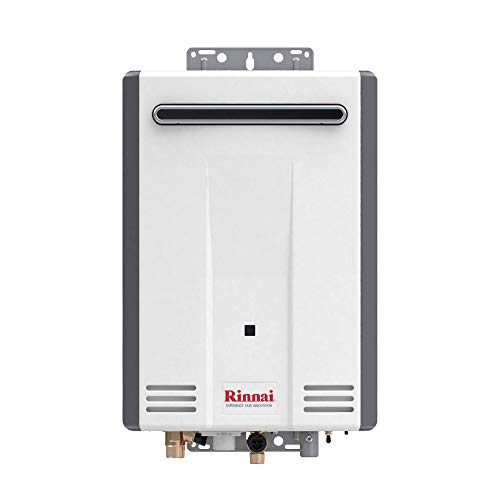
Popular brands like Suburban and Rinnai offer propane tankless water heaters, but availability and altitude ratings vary. Navien, known for residential propane units, does not commonly supply RV-specific models.
Follow this order to select the right unit: measure your current space and door, confirm your propane supply line size, check if you need a high-altitude model, verify venting options, then pick a model that fits your use case. This approach prevents surprises and ensures safety.
Questions People Ask
What is a propane tankless water heater for an RV?
How do I select the best propane tankless water heater for my RV?
What size propane line do I need for a tankless water heater?
How many BTUs do I need for a propane tankless water heater?
Are high-altitude propane tankless water heaters worth it?
Can I use a propane tankless water heater indoors?

I am a mechanical engineer and love doing research on different home and outdoor heating options. When I am not working, I love spending time with my family and friends. I also enjoy blogging about my findings and helping others to find the best heating options for their needs.
Related guides

Smart Propane Water Heaters for Two-Story Home Upgrades
Ready for endless hot water in your two-story home? Our high performance propane water heater delivers consistent temperature…
End Hot Water Inconsistency with Propane Tankless Heaters
Enjoy steady hot showers? The Westinghouse propane tankless heater maintains perfect water pressure and temperature for your home.
Habitio vs Commercial Heat Propane Heater Comparison
Compare Habitio portable heaters with Commercial Heat models for power, portability, and price. Find the best propane heater…