
Choosing a water heater is a big decision. It’s not just about hot showers; it’s about efficiency, safety, and long-term cost. If you’re looking at gas models and lack a traditional chimney, a power vent water heater is likely on your radar. These units solve a common modern problem, offering flexible installation where older atmospheric vent models simply can’t go.
This guide cuts through the noise. We’ll compare top brands, break down installation realities, and analyze true costs. You’ll get clear recommendations and know exactly what to ask your plumber. For a reliable and consistently top-rated option, many professionals point to the AO Smith GPVX-50L. It’s a 50-gallon model known for its durability and strong performance, making it a solid benchmark in the category.
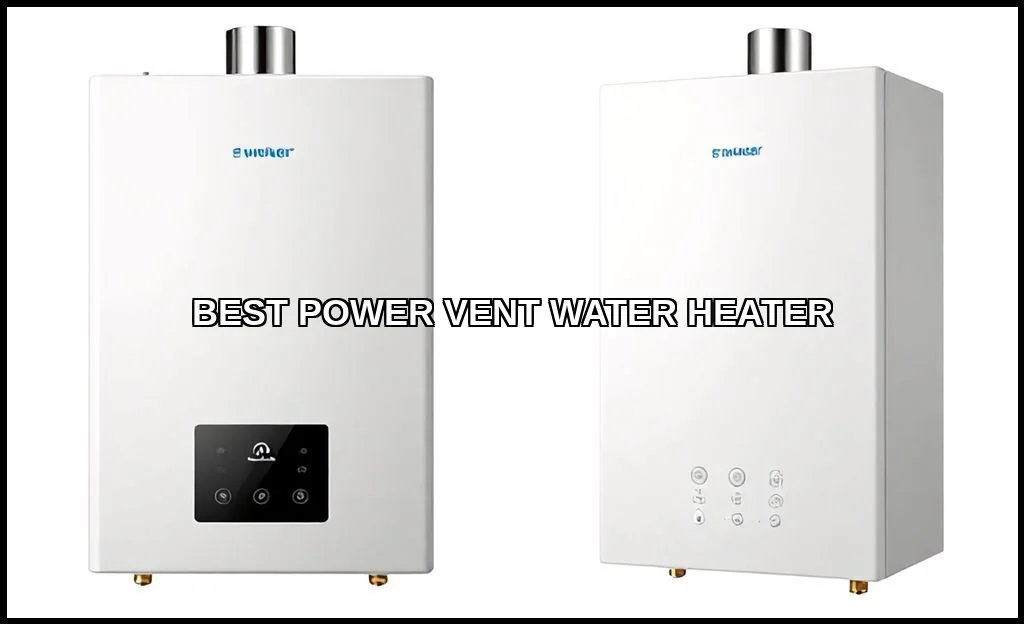
What is a Power Vent Water Heater and How It Works
At its core, a power vent water heater is a gas unit that uses a fan (the “power” part) to push exhaust gases out through a plastic or metal vent pipe. This is the key difference from an atmospheric vent system, which relies on natural buoyancy (hot air rises) and requires a vertical chimney. The fan allows for much greater flexibility.
You can vent these units horizontally through a sidewall or vertically through a roof. This makes them perfect for homes without existing chimneys, for installations in basements far from an exterior wall, or for tight utility closets. Most modern power vent models also feature sealed combustion. This means they draw air for burning directly from outside through a separate pipe, making them safer and more efficient, especially in well-insulated homes.
Power Vent vs Direct Vent: Clearing the Confusion
People often confuse these terms. Both can use a fan, but the air source differs. A power vent water heater typically uses indoor air for combustion (unless it’s a sealed combustion model) and only has one vent pipe for exhaust. A direct vent system is always sealed combustion; it uses two pipesone to bring in outside air, another to exhaust. So, are power vent water heaters more efficient than direct vent? Generally, a sealed combustion power vent model will match a direct vent in efficiency. The main advantage of power venting is simpler, often less expensive, sidewall venting.
Top Power Vent Water Heater Brands & Models Compared
Not all brands are created equal. Some focus on contractor-grade reliability, while others target the retail DIY market. Heres a look at the leaders.
Rheem and AO Smith: The Industry Pillars
These two giants dominate the professional installation market. Their units are built to last and widely available through plumbing suppliers. Rheem’s Performance Platinum and AO Smith’s Vertex series are high-efficiency standouts. We mentioned the AO Smith GPVX-50L earlier; it’s a workhorse with a strong reputation. For a deep dive on another trusted brand, our analysis of Bradford White heaters is worth a look.
Bradford White and Noritz: The Specialist Choices
Bradford White is sold exclusively through plumbers, which speaks to its professional-grade design. Noritz is renowned for its tankless models but also offers excellent power vent indoor water heater options with compact footprints. These brands often incorporate advanced diagnostics and robust components.
Key Model Comparison Table
| Brand/Series | Key Feature | Best For |
|---|---|---|
| Rheem Performance Platinum | High energy factor (EF), Self-Cleaning | Families seeking maximum efficiency |
| AO Smith GPVX Series | Durable Commercial-Grade Components | Longevity and low maintenance |
| Bradford White Defender | Exclusive to Pros, Advanced Diagnostics | Professional installations & service |
Key Buying Considerations: Efficiency, Size, and Venting
Don’t just buy the first unit you see. Your home’s specifics dictate the right choice.
Decoding Efficiency and Sizing
Look for the Energy Factor (EF) rating. The higher the number, the less gas it uses to heat your water. A high EF model costs more upfront but saves money for years. Sizing is critical. A 40-gallon tank might suffice for a couple, but what is the best power vent water heater for a large family? You’re likely looking at a 50 or 75-gallon model. Also, check the BTU rating. Higher BTUs mean faster recovery (more hot water faster), which is crucial for back-to-back showers.
Venting Requirements: The Make-or-Break Detail
This is where planning is essential. Power vent water heater installation requires specific venting materials (often PVC) and adherence to codes for pipe length, elbows, and termination clearances. The fan can only push exhaust so far. Too many bends or an excessively long run will cause problems. Always consult the manufacturer’s manual and your local code. Sidewall venting is common, but the termination must be away from windows and intake vents.
Installation Guide and Common Challenges
While a skilled DIYer can tackle this, most homeowners hire a pro. Here’s why.
The Professional Installation Process
- Assessment: The plumber evaluates location, gas line size, venting route, and drain for the temperature & pressure relief valve.
- Removal & Prep: Old unit is drained and removed. New venting and gas line connections are prepped.
- Placement & Connection: New heater is set, connected to water, gas, and venting. The electrical plug for the fan is connected.
- Start-up & Testing: The unit is filled, purged of air, fired up, and checked for proper combustion and venting.
Power Vent Water Heater Problems and Solutions
Even great units can have issues. Common ones include:
- Fan/Vent Blockage: The fan runs but exhaust is blocked. This triggers a safety shutdown. Solution: Inspect and clear the vent pipe, especially the termination cap outside.
- Condensation in Vent Pipe: Can occur with long horizontal runs. Solution: Ensure proper pitch back to the heater per code.
- Error Codes: Modern units have diagnostic LEDs. A blinking light isn’t a death sentenceit’s a clue. Refer to the manual first.
How much does it cost to install a power vent water heater? With the unit itself, you’re often looking at $1,800 to $3,000+ total, depending on complexity. Venting runs add cost quickly.
Maintenance, Lifespan, and Cost Analysis
The upfront price is just part of the story. Let’s talk long-term value.
Ongoing Care for Longevity
Annual maintenance is non-negotiable. It’s simple: drain a few gallons from the tank to flush sediment, check the anode rod every 3 years, and visually inspect the venting. This simple routine can extend the typical 8-12 year lifespan by several years. Neglect it, and efficiency plummets while failure risk soars.
The Real Power Vent Water Heater Cost
We need to analyze total cost of ownership. Compare a standard atmospheric vent model to a high-efficiency power vented unit.
- Purchase Price: Power vent models cost $200-$500 more than comparable atmospheric vent heaters.
- Installation Cost: This can be higher due to venting work, but may be lower than building a new chimney.
- Operational Cost: A higher EF rating means lower gas bills. Over 10 years, this savings can outweigh the initial premium.
- Flexibility Value: If it allows you to finish a basement or use a better space, that’s a tangible benefit.
For broader energy-saving context, the Department of Energy’s authority guide on water heating is an excellent external resource.
Power Vent Water Heater Pros and Cons
Let’s be balanced. Here’s the honest breakdown.
Pros: Flexible installation (no chimney needed). Often higher efficiency. Safer with sealed combustion designs. Can be more reliable in tightly-sealed modern homes.
Cons: Higher initial cost. Requires electricity to run the fan (no hot water during a power outage without a generator). The fan makes a low humming noise. More complex system means potentially more parts to fail.
For other efficient gas heating solutions, explore our picks for the best ventless gas heaters for supplemental space heating.
Final Recommendations
Your best choice depends on your home’s layout, your budget, and your hot water demands. For most homeowners replacing an old atmospheric vent unit in a basement, a mid-range power vent model from Rheem or AO Smith is a fantastic, future-proof upgrade. If you’re building new or have a challenging location, the investment in a sealed combustion, high-Efficiency model is wise. Always get multiple quotes from licensed plumbers who will pull a permitthis ensures the installation, especially the venting, is done correctly and safely. That peace of mind is worth every penny.

