
When the temperature drops, a portable heater becomes your best friend. It’s the quick fix for a chilly office, a drafty bedroom, or a basement that never seems to warm up. You’re not looking for a permanent installation. You want something that works now, moves easily, and doesn’t break the bank on your energy bill. The market is flooded with options, from compact personal heaters to powerful units for large spaces. Knowing what to look for makes all the difference.
For many, the ideal solution balances safety, efficiency, and quiet operation. A model like the Dreo Space Heater often comes up in conversations for hitting that sweet spot. It combines ceramic heating technology with robust safety features, making it a strong contender for year-round use. It’s the kind of thoughtful design that solves real problems without fuss.
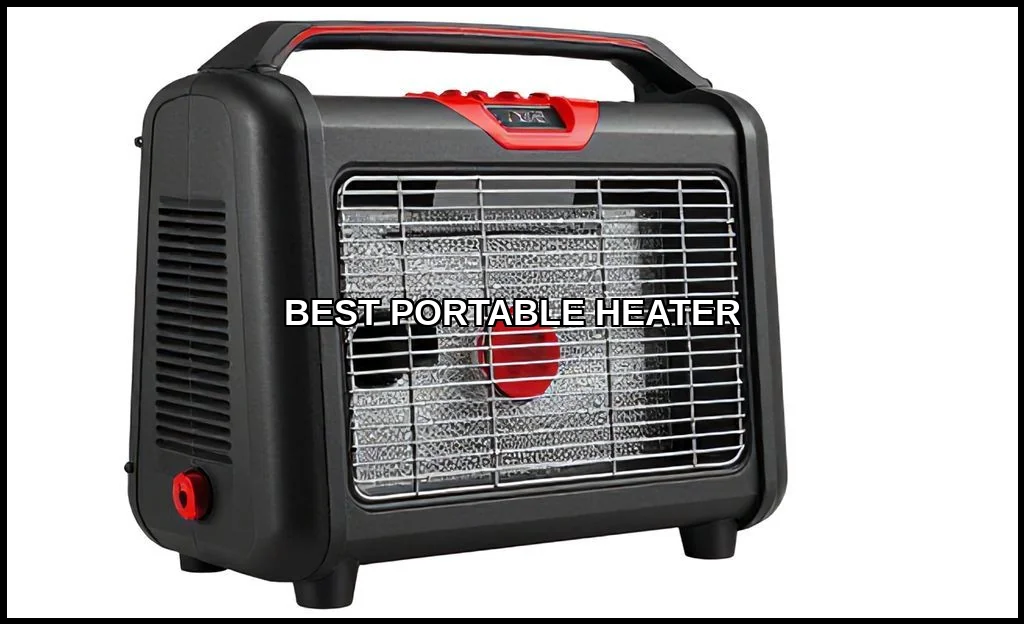
Your Guide to Portable Heater Types & Technologies
Not all portable space heaters are created equal. The core technology dictates how it heats your room, its efficiency, and its best use case. Choosing the right type is your first major decision.
Ceramic Heaters: Fast and Focused
The ceramic heater is a modern staple for good reason. It uses a ceramic plate and aluminum baffles. A fan blows air over the hot ceramic, providing almost instant, focused warmth. They’re excellent as a small room heater or personal heater for under a desk. They cool down quickly and are generally very safe, but the fan can be noisy for some.
Oil-Filled Radiators: Steady, Silent Heat
Think of an oil filled radiator as a modern, portable version of old-fashioned steam radiators. Electricity heats sealed diathermic oil, which then radiates heat into the room. The big win here is silent operationno fan. The heat is consistent and lingering, perfect for overnight use in a bedroom. The downside? They take longer to warm up initially.
Infrared Heaters: Sun-Like Warmth
An infrared heater works differently. Instead of heating the air, it emits infrared radiation that directly heats objects and people in its path. It’s like feeling the sun on your skin. This makes it incredibly efficient for spot heating in a drafty room or a garage where heating the entire air mass is impractical. The heat feels immediate, but it’s very directional.
Fan Heaters & Convection Heaters
These are the simplest and often most affordable electric heater options. Fan heaters use a coiled wire element and a fan. They’re lightweight and provide quick heat but can be less energy-efficient for sustained use. Convection heaters heat the air around an element, causing it to rise and circulate naturally, offering more even room heating.
Key Features to Compare: Safety, Efficiency & Power
Once you’ve narrowed the type, dig into the specs. This is where you separate a good heater from a great, long-lasting one.
Non-Negotiable Safety Features
Safety is paramount. Any quality portable heater must have independent certifications from testing labs like UL or ETL. Beyond that, look for these specific features:
- Tip-over protection: The unit automatically shuts off if it’s knocked over.
- Overheat protection: A thermal cutoff switch prevents the internal components from reaching dangerous temperatures.
- Cool-touch exterior: Vital if you have children or pets.
- Sturdy, stable base: Prevents tipping in the first place.
For the safest portable heater for pets, prioritize models with grills that prevent curious paws from touching elements and those that stay cool to the touch on all sides.
Matching Wattage to Room Size
Heating capacity is measured in watts. A simple rule of thumb: you need roughly 10 watts of heating power for each square foot of floor space. A 1,500-watt heater is the standard maximum for a standard household outlet and can typically handle a medium to large room (up to 150 sq. ft. comfortably). For a best portable heater for large room (over 200 sq. ft.), you may need a high-wattage unit or strategically use two heaters. Don’t forget to check out our guide to the best space heaters for accessible options across room sizes.
Energy Efficiency & Operating Costs
An energy efficient heater saves you money every time you use it. Key features to look for:
- Thermostat: A must-have. It cycles the heater on and off to maintain your set temperature, preventing constant, costly operation.
- Eco or energy-saving mode: Often found on smarter models, this automatically adjusts heat output to optimize efficiency.
- Programmable timer: Set it to turn off after you fall asleep or before you leave the house.
According to the Department of Energy’s official source on portable heating, using a heater to warm only the room you’re in and lowering your whole-house thermostat is a key strategy for reducing overall energy costs.
Top Portable Heater Recommendations by Use Case
With the basics covered, let’s match the ideal heater type to your specific need.
For the Bedroom: Quiet and Safe
A heater for bedroom needs to be quiet and safe for overnight use. Your top contenders are oil-filled radiators (silent, radiant heat) or advanced ceramic heaters with a “silent” fan mode. Look for a digital display that can be dimmed and a remote control so you don’t have to get out of bed. The quest for a quiet portable heater for bedroom often leads to oil-filled models or fans with specially designed blades.
For a Home Office or Small Room
Here, a compact heater or personal heater shines. A small ceramic heater with oscillation can effectively warm the area around your desk without consuming excess energy. Portability is keylightweight with a carry handle. It’s about focused comfort.
For Large, Drafty Spaces
Convection towers or high-wattage infrared heaters work best here. You need power and wide-area coverage. Some models combine forced fan and infrared technology for rapid, widespread warmth. For ultimate portability in areas without outlets, our review of the best battery operated models explores cord-free options.
Buyer’s Guide: How to Choose the Right Model
Let’s turn this knowledge into a step-by-step decision matrix. Ask yourself these questions.
- Where will you use it primarily? (Bedroom=quiet/safe, Office=compact, Large room=high wattage).
- What’s your budget? Simple fan heaters start under $30, while feature-rich smart heaters can exceed $150.
- What extra features matter? Remote control? Oscillation? A humidifier? Programmable weekly schedules?
- How important is aesthetics? Some modern heaters are designed to look like sleek home decor.
Remember, the most energy efficient portable heater 2024 will likely be one with a precise digital thermostat, eco-mode, and the correct wattage for your spaceavoiding the waste of an oversized unit.
| Feature | Why It Matters | Ideal For |
|---|---|---|
| Tip-over protection | Automatic shut-off prevents fire hazard if knocked over. | Households with pets, kids, or high traffic. |
| Thermostat | Maintains set temperature, cycles heater off to save energy. | Anyone wanting to control costs and avoid overheating. |
| Oscillation | Distributes warmth over a wider area evenly. | Medium to large rooms where heat needs to circulate. |
| Overheat protection | Internal safety switch prevents dangerous overheating. | Essential for all users, especially for unattended or long run-times. |
Safety Tips & Maintenance Best Practices
A great heater used poorly is still a risk. Follow these guidelines religiously.
Safe Operation Is Simple
- Always plug your electric heater directly into a wall outlet. Never use an extension cord or power strip.
- Maintain a 3-foot “kid-and-pet-free” zone around the heater. Keep it away from curtains, bedding, and furniture.
- Place it on a hard, level surface. Never on a rug, carpet, or table unless explicitly designed for it.
- Unplug the heater when not in use, especially before leaving the house or going to sleep (though models with strong safety features are designed for overnight use).
Keep It Clean for Peak Performance
Dust and lint are the enemies of efficiency and safety. Every few weeks, unplug the unit and vacuum the air intake and exhaust grilles with a brush attachment. For fan heaters and ceramic heaters, this prevents dust from burning and causing odors. Wipe the exterior with a dry cloth. Store it in its original box or a dry place during the off-season.
Choosing the best portable heater isn’t about finding the single top-rated model. It’s about matching technology, capacity, and features to your specific life and space. Start with your primary use case. Prioritize certified safety features like tip-over protection and overheat protection. Embrace smart features like a thermostat and energy-saving mode to keep costs down. Whether you need a silent guardian for your bedroom or a powerful boost for a chilly workshop, the perfect tool is out there. Do your homework, respect the safety rules, and you’ll stay comfortably warm for seasons to come.

