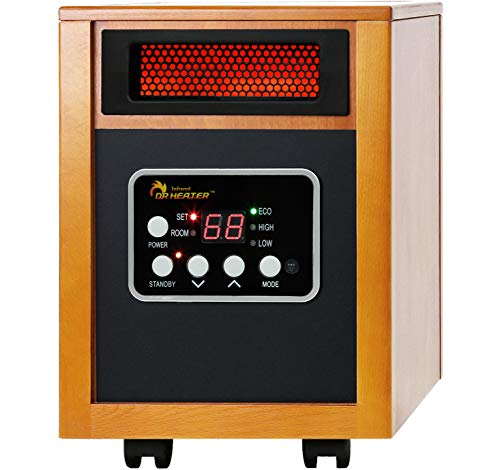
Stepping out of a warm shower into a cold bathroom is a universally unpleasant experience. It’s a shock to the system that can ruin a relaxing morning. Traditional heating solutions, like bulky forced-air units, often fall short here. They can be noisy, slow to warm up, and circulate dust. This is where infrared technology shines, offering a targeted, efficient, and quiet warmth that feels like instant sunshine.
Infrared heaters work by emitting radiant heat, warming objects and people directly rather than just the air. This means you feel the heat immediately, and it stays with you. For a bathroom, this direct warmth is ideal for drying off quickly and preventing that post-shower chill. When searching for the best bathroom heater, safety is the non-negotiable starting point, and infrared models with proper safety features are a top contender. For a popular and effective wall-mounted option, many homeowners choose the GiveBest Wall Heater. Its sleek design and safety certifications make it a frequent recommendation for modern bathroom heating solutions.
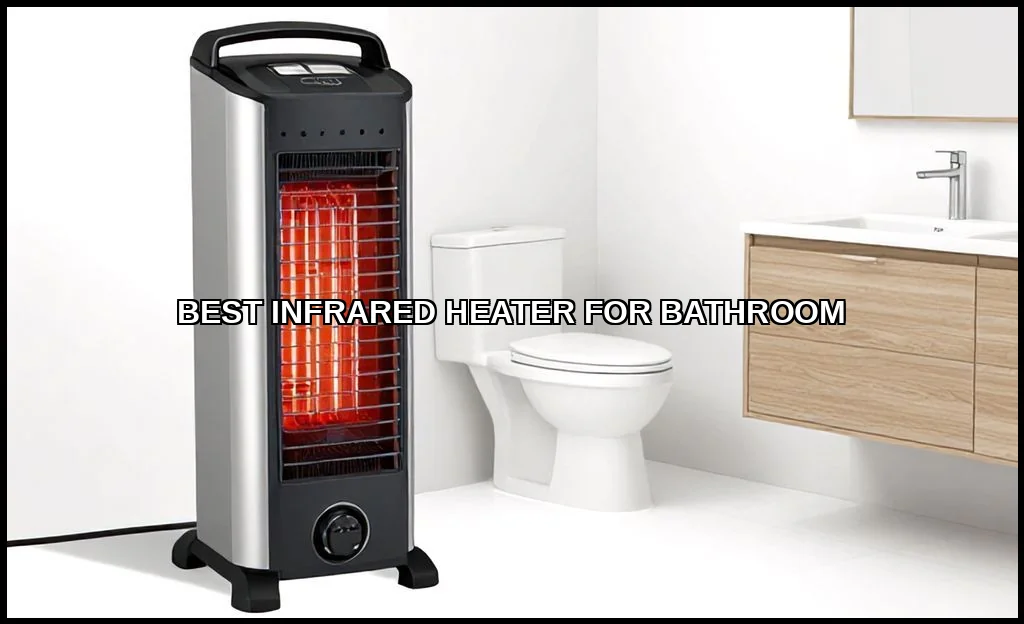
Why Infrared Heat is the Smart Choice for Your Bathroom
Think of infrared heat like the sun’s rays. It doesn’t waste energy heating the entire volume of air in the room. Instead, it warms the tiles, the vanity, and you. This leads to several key advantages for bathroom use. The heat is instantno waiting for a fan to blow warm air around a damp space. It operates silently, which is perfect for not disturbing others. Perhaps most importantly, it doesn’t aggressively stir up air, which helps minimize the movement of mold spores or dust, a common issue with fan heaters.
When comparing an infrared bathroom heater vs traditional fan heater, the difference in comfort and efficiency is noticeable. Fan heaters can create hot and cold spots and often feel drafty. Infrared provides consistent, enveloping warmth right where you need it. This makes it one of the most effective methods for achieving that coveted quick heat bathroom experience.
Critical Buying Guide: 5 Key Factors for Bathroom Heaters
Choosing a heater isn’t just about picking the most powerful one. You need a device built for the unique, moisture-heavy environment of a bathroom. Ignoring these factors can lead to safety hazards or a heater that underperforms.
1. Safety Features & IP Rating (Ingress Protection)
This is your top priority. Bathrooms have water and electricity in close proximity. You must look for a heater designed to handle this. The most critical specification is the IP Rating (Ingress Protection). For a bathroom, a rating of IPX4 or higher is essential. An IPX4 bathroom heater is protected against water splashes from any direction, making it safe near sinks and showers.
- Overheat Protection: A non-negotiable feature that automatically shuts the unit off if internal components get too hot.
- Tip-Over Switch: Crucial for portable models, cutting power if the heater is knocked over.
- Cool-Touch Exterior: Ensures the outer casing remains safe to touch, even when the heating elements are on.
Always follow safety guidelines from an official source like the NFPA when installing any heating device.
2. Heater Types & Wall-Mounted vs. Portable
Your bathroom’s layout dictates the best mounting option. A wall mounted bathroom heater is permanently installed, saving floor space and keeping the unit out of reach of water and curious hands. It’s a clean, built-in look. Portable models offer flexibility but require extreme caution. They must be placed on a stable, dry surface far from any water source. For a truly bathroom safe heater, wall-mounted is often the superior choice.
3. Size, Power & Room Coverage
You need enough power to warm your space efficiently. A common rule of thumb is 10 watts per square foot for standard insulation. So, a 50 sq ft bathroom needs about a 500-watt heater. For a small bathroom heater, a 300-500 watt unit is often perfect. Ask yourself: how to choose the right wattage infrared heater for my bathroom? Consider your climate and bathroom size. It’s better to have a slightly overpowered heater you can run on a low setting than an underpowered one struggling to warm the room.
4. Energy Efficiency & Operating Cost
Infrared heaters are generally efficient because they transfer nearly all their energy into radiant heat. However, their cost-effectiveness depends on use. They are ideal for short, targeted heating sessionslike warming up for 15 minutes before and after a shower. Using a programmable Thermostat can maximize savings by preventing the heater from running unnecessarily. For longer-term or whole-room heating, other solutions might be more efficient, but for quick comfort, infrared is hard to beat.
5. Additional Features for Comfort & Control
Look for user-friendly features that enhance the experience. A built-in Thermostat allows you to set a desired temperature, and the heater will cycle on and off to maintain it. A timer function lets you pre-warm the bathroom before your alarm goes off. Remote controls are convenient for wall-mounted units. For those tricky spaces without an outlet, finding the best battery operated space heater is a challenge, as most effective infrared models require mains power.
Top 5 Best Infrared Heaters for Bathrooms (2024 Reviews)
Based on safety, performance, and user feedback, here are standout models for different needs. Remember, the best heater for small bathroom isn’t always the cheapest, but the one that fits your space and safety requirements perfectly.
1. Best Overall Wall-Mounted Heater: [amazon link=”B0FG1GMPZ1″ link_icon=”amazon” /]
This model consistently earns top marks in bathroom infrared heater reviews. It’s a slim, 500W panel designed for safe wall mounting. It boasts an IPX4 rating, making it a true waterproof bathroom heater. The inclusion of a remote and a digital thermostat makes operation a breeze. Its low-profile design blends into modern bathrooms without being an eyesore.
2. Best for Small Powder Rooms: [amazon link=”B077JM5PB9″ link_icon=”amazon” /]
If you need a compact, powerful solution for a tiny space, this is it. At 400W, it delivers focused warmth perfect for rooms under 40 sq ft. It features overheat protection and a cool-touch grille. Its mounting bracket allows for easy installation, making it a great infrared heater for bathroom wall in a guest bath or powder room.
3. Best Portable & Safe Option: [amazon link=”B0771LZZT3″ link_icon=”amazon” /]
For those who need flexibility, the Heat Storm Phoenix is a standout portable infrared heater. It’s designed with bathroom safety in mind, featuring a sealed thermal chamber to protect the elements from moisture. While not submersible, its design offers more protection than a standard space heater. It’s a strong answer to what is the safest heater to use in a bathroom if you cannot install a wall unit.
4. Best High-Wattage for Large Bathrooms: Comfort Zone CZHVAC
Have a spacious master bathroom? This 1500W infrared quartz tower heater packs a punch. It oscillates to distribute warmth over a wider area and includes a remote, timer, and thermostat. While it’s a portable floor model, its safety features like tip-over and overheat protection make it a candidate for larger bathrooms where it can be kept a safe distance from water sources.
5. Best Budget-Friendly Panel: AirNmore Comfort Panel
This heater proves you don’t need to spend a fortune for safe, effective infrared heat. It’s a simple, 400W wall-mounted panel with an IP21 rating (protected against vertical drops of water). It’s a no-frills workhorse ideal for a best infrared heater for a small bathroom with no outlet near the shower, providing reliable, affordable warmth.
Infrared Bathroom Heater Installation & Safety Tips
Proper installation is what turns a safe product into a safe system. Always, always hire a licensed electrician for hardwired wall-mounted units. For plug-in models, ensure the outlet is a Ground Fault Circuit Interrupter (GFCI)the kind with the test and reset buttons. This is a critical layer of protection against shock in wet areas.
- Mount wall heaters at a safe height, following the manufacturer’s instructions, typically away from direct shower spray.
- Never use an extension cord with a bathroom heater. Plug it directly into the GFCI outlet.
- Keep all heaters, portable or mounted, away from curtains, towels, and other flammable materials.
- Perform a regular check of the unit and cord for any signs of damage or wear.
For more options you can find at major retailers, check out our guide on the best space heaters available.
FAQ: Your Bathroom Heating Questions Answered
Can I leave an infrared bathroom heater on all the time?
It’s not recommended. While safe when installed correctly, it’s inefficient and a potential fire risk if anything obstructs it. Use the timer or thermostat for scheduled, targeted heating.
Is infrared heat better than ceramic for a bathroom?
Both can be safe with proper IP ratings. The infrared vs ceramic bathroom heater debate often comes down to heat style. Infrared provides instant radiant warmth. Ceramic heaters use a fan to blow air over hot elements, heating the air faster but often with more noise. For silent, instant feel, infrared wins.
How do I know if my bathroom heater is truly safe?
Look for the IP rating on the product specifications or physically on the unit. Check for third-party safety certifications like ETL or UL. Read the manual thoroughly for installation clearances. A true bathroom space heater safe for use will be explicitly marketed as such.
Are there heaters for bathrooms with no electrical outlet?
This is a significant limitation. Effective heating requires substantial power. While you might find small, low-wattage personal heaters, a proper bathroom safe heater that can warm the entire room will need to be hardwired by an electrician. Battery-powered options lack the capacity for this job.
Finding the right infrared heater transforms your bathroom from a chilly necessity into a warm, welcoming retreat. The key is to prioritize safety certifications like IPX4, match the wattage to your room size, and choose a mounting style that fits your life. Whether you opt for a discreet wall panel or a carefully placed portable unit, the goal is the same: reliable, instant warmth where you need it most. Make your choice based on specs, not just looks, and you’ll enjoy cozy mornings for years to come.

I am a mechanical engineer and love doing research on different home and outdoor heating options. When I am not working, I love spending time with my family and friends. I also enjoy blogging about my findings and helping others to find the best heating options for their needs.
Related guides

Best Coolers for Scorching Weather: 5 Ice-Holding Champions
Cheap coolers fail in scorching heat—but the right gear keeps you and your tech safe. Choosing the best…
How to Choose the Best Company for Central Heating Installation
The best company to install central heating often depends on local reviews, but trusted names include British Gas,…
The Best Book For Heat Transfer I’ve Actually Used
Looking for the best book for heat transfer? Find out which resource has made a real impact on…