
Your HVAC system works hard. But its final touch, the diffuser, often gets overlooked. This small component is the maestro of your indoor climate, directing airflow with precision. It dictates comfort, efficiency, and even noise levels. Choosing the right one isn’t just about aesthetics; it’s about performance.
For a modern, high-performance option, many contractors are now specifying the 2025 Upgraded 3500 diffuser. Its design focuses on minimizing noise while maximizing even air distribution, making it a solid choice for residential upgrades. It’s a good example of how modern materials and engineering are improving basic components.
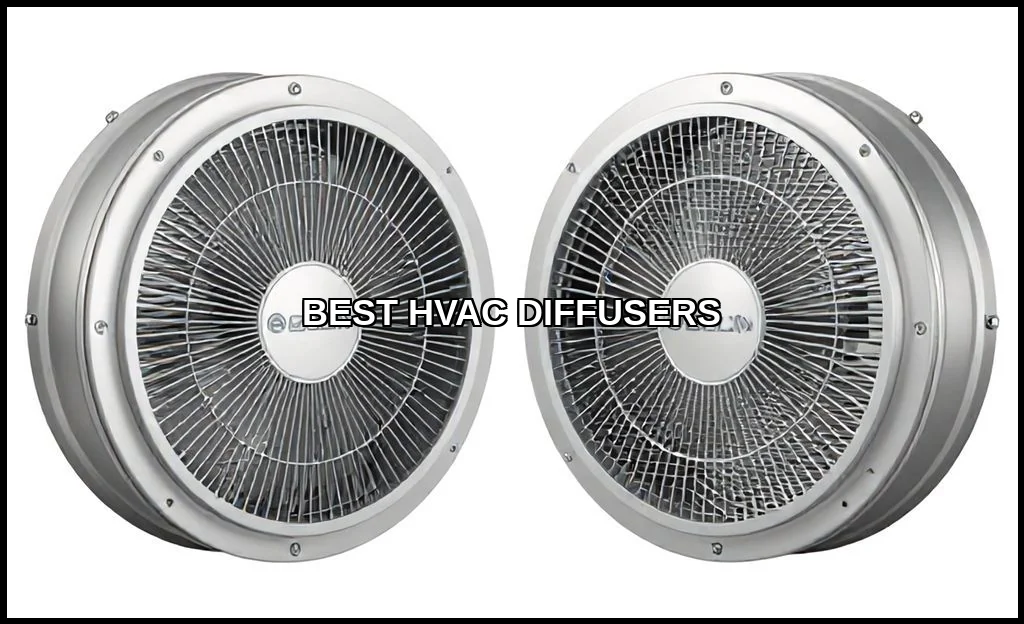
What is an HVAC Diffuser and Why It Matters
Think of your HVAC system as a symphony. The furnace or air handler is the orchestra, but the diffuser is the instrument that projects the musicconditioned airinto the room. It’s the final point of contact between your ductwork and your living space. A simple grille just lets air blast out. A true air diffuser is engineered to condition it.
Its job is multi-faceted: to distribute supply air evenly, to mix it with room air to prevent drafts, and to do so quietly. The wrong diffuser can create hot or cold spots, whistle annoyingly, or simply look out of place. It’s the difference between a room that feels perfectly comfortable and one that just feels… off. This is the core of effective HVAC air distribution.
Types of HVAC Diffusers: A Complete Guide
Selecting a diffuser starts with knowing your options. The type you need depends on your ceiling, your aesthetic goals, and the required airflow pattern.
Ceiling-Mounted Diffusers
These are the most common. A ceiling diffuser typically features a face with multiple adjustable vanes, allowing you to control the direction of the air. They’re great for general room coverage.
- Round Ceiling Diffusers: Ideal for delivering a cone-shaped airflow pattern. Perfect for spot cooling or heating directly below.
- Square/Rectangular Diffusers: The standard workhorse. They provide a four-way horizontal throw pattern that spreads air along the ceiling for gentle mixing.
Linear and Slot Diffusers
For a sleek, modern look, linear diffusers are unmatched. These long, narrow ventilation diffusers can be installed in ceilings or walls. They create a thin, laminar sheet of air that travels across the ceiling surface, providing exceptionally even and draft-free distribution. Often used in offices, hotels, and contemporary homes.
Wall and Floor Diffusers
Not all air comes from above. A wall diffuser is essentially a supply air grille designed for vertical surfaces, often directing air upward or horizontally. A floor diffuser is crucial for spaces like sunrooms or rooms with large windows; it places warm air directly into the cold zone at floor level. This is often the best hvac diffuser for high ceilings where warm air stratifies at the top.
Register vs Diffuser: Clearing the Confusion
People use these terms interchangeably, but there’s a technical difference. A register has a damper behind the face to control volume. A diffuser is designed specifically to condition and direct the airflow pattern. Most residential ceiling and wall air outlet grilles are actually combination register-diffusers. Knowing the difference between round and square hvac diffusers is just the first step; understanding their function is key.
How to Choose the Best HVAC Diffuser: Key Factors
This isn’t a one-size-fits-all decision. You need to match the component to your system’s specs and your room’s needs. Getting it wrong hurts comfort and efficiency.
Selection Criteria & Sizing
How to choose the right size hvac diffuser is the most common question. Size is dictated by airflow (measured in CFM) and two critical engineering terms: Face Velocity and Pressure Drop.
- Face Velocity: The speed of air leaving the diffuser. Too high, and it’s noisy and drafty. Too low, and air drops straight down. Aim for 300-700 feet per minute for most applications.
- Pressure Drop: The resistance the diffuser adds to your ductwork. A high Pressure Drop makes your blower motor work harder, wasting energy. Quality diffusers are engineered for low pressure drop.
- Throw Pattern: How far the air travels before slowing to a specified speed. A high-ceiling room needs a long throw. A bedroom needs a short, wide throw for gentle mixing.
For a peaceful night’s sleep, you might specifically search for the quietest hvac diffuser for bedroom. This usually means a larger diffuser face (lowering Face Velocity) with curved blades designed to reduce turbulence noise.
Key Features & Materials
Construction matters. Most residential diffusers are stamped steel, which is cost-effective. For higher-end projects, look for extruded aluminum. It’s more rigid, resists corrosion, and allows for sharper, cleaner lines. Plastic diffusers are common in budget applications but can warp and buzz. The finish is also keychoose a paint that matches your decor, as these are visible elements. Sometimes, the best accessory for a room isn’t a heater, but the right diffuser to distribute your system’s air properly.
Top 5 HVAC Diffuser Brands & Models Reviewed
While specific models change, these brands consistently lead in quality and innovation. Remember, the “best” model depends entirely on your specific application.
- Titus / Johnson Controls: The industry leader for commercial and high-end residential. Their Model TMS round diffuser is a benchmark for adjustable performance and low noise.
- Hart & Cooley: A giant in residential HVAC components. They offer a vast catalog of reliable, well-priced ceiling and wall diffusers available at major suppliers.
- Price Industries: Specialists in high-performance air distribution. If you have a complex project with precise engineering needs, Price has a solution.
- Krueger: Excellent for linear bar and slot diffusers. They are a go-to for architects seeking minimalist aesthetics without sacrificing performance.
- Metal Industries Inc. (MII): Known for durable, high-quality registers and diffusers, often with a focus on custom finishes and sizes for unique projects.
For a reliable, widely available option that balances cost and quality for a home upgrade, brands like Hart & Cooley are a safe bet. It’s similar to how you’d look for the best space heaters at Walmart for an affordable, immediate solutionyou want a trusted name on the box.
Installation Tips and Common Mistakes to Avoid
Even the perfect diffuser fails if installed poorly. This is where DIY projects often stumble.
Placement is Paramount
Don’t just center it in the room and call it a day. Consider airflow obstacles: ceiling fans, light fixtures, and architectural details. The goal is to create a circular air movement in the space. Supply diffusers are often placed near windows or exterior walls to counteract cold surfaces, while return air grilles are placed on interior walls.
The Leakage Problem
The biggest mistake is failing to seal the diffuser boot to the drywall ceiling. This gap allows unconditioned air from the attic or plenum to be sucked into the room, wasting energy and potentially causing condensation issues. Use UL-181 approved foil tape or mastic sealant. Every. Single. Time.
Balancing Act
After installation, the system must be balanced. This means adjusting the dampers so each room receives its designed CFM. A bedroom diffuser should be set to a lower airflow than a large living room. If your system has never been balanced, you’re likely not getting the comfort you paid for.
Choosing the right HVAC diffuser transforms your system from merely functional to finely tuned. It’s about marrying engineeringThrow Pattern, Face Velocity, Pressure Dropwith the practical needs of your space. Start with the room’s purpose and architecture. Select a type and size that matches your system’s output. Don’t cheap out on installation. When done correctly, the diffuser disappears, leaving only perfect, quiet comfort in its place. That’s the ultimate goal of any climate control project.
