
Staying warm shouldn’t mean watching your energy bill skyrocket. Finding the best heaters with low energy consumption is a smart move for both your comfort and your wallet, especially with fluctuating energy costs.
It’s about more than just buying a heater. You need to understand efficiency metrics, match the right type to your space, and use it wisely. For those seeking a modern, feature-rich option right out of the gate, many savvy users are turning to the DREO Space Heater. It combines precise digital thermostat control with multiple safety certifications, making it a strong contender for efficient spot heating.
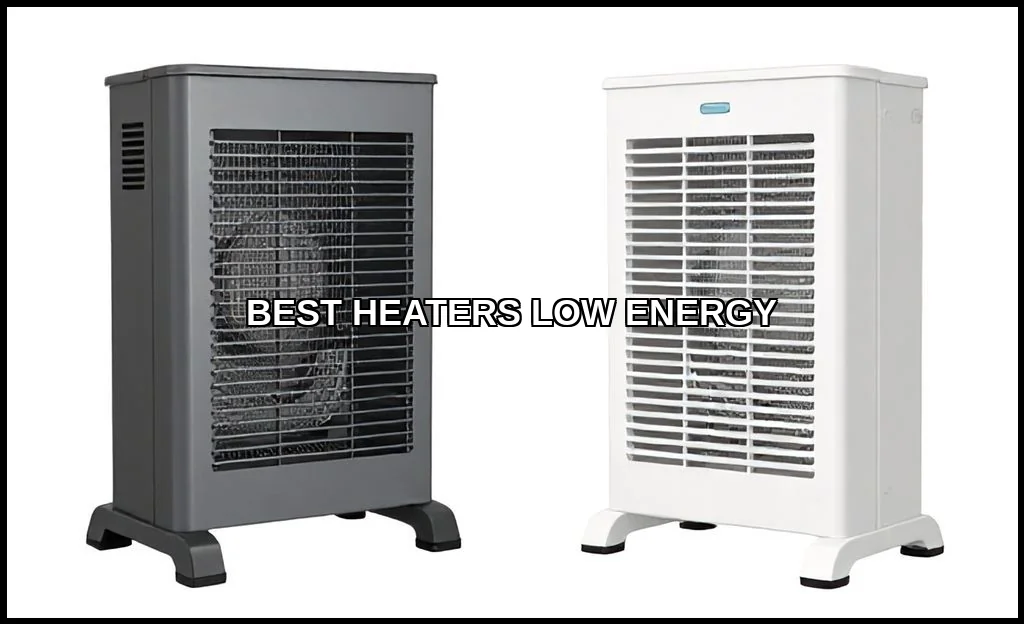
Understanding Heater Energy Efficiency & Key Metrics
Not all heaters are created equal. Their efficiencyhow well they convert electricity into usable heatvaries dramatically. To make an informed choice, you need to speak the language.
The core metric is Wattage. It tells you the heater’s power draw. A 1500-watt model uses the maximum power a standard outlet provides. Lower wattage often means lower immediate output, but not necessarily lower overall cost. That’s where smart features come in.
A programmable Thermostat is your best friend for electric heater savings. It cycles the heater on and off to maintain your set temperature, preventing wasteful constant operation. This is key for a truly cheap to run heater.
For larger spaces, you might see BTU (British Thermal Unit) ratings. It measures heat output. More BTUs generally heat a larger area. Matching BTU to your room size prevents overworking a small unit or wasting energy with an oversized one.
Top 5 Low-Energy Heater Types Compared
Each heater technology has a different efficiency profile. Your choice depends on your heating style: whole-room warmth or instant spot comfort.
1. Oil-Filled Radiators
These work like old-fashioned steam radiators. Electricity heats sealed oil, which then radiates warmth. The heat is gentle, even, and lasts long after the unit shuts off. They are excellent for sustained, whole-room heating and are often considered very economical heaters for long periods.
2. Ceramic Heaters
Ceramic elements heat up quickly. A fan then blows air over them. This provides fast, focused warmth. Modern units with good thermostats are fantastic energy-saving space heaters for offices or bedrooms. They cool down almost instantly when turned off.
3. Infrared Heaters
Instead of warming the air, infrared rays heat objects and people directlylike sunshine. This makes them incredibly efficient in drafty rooms or spaces with high ceilings, as no heat is lost to the air. They provide immediate warmth where you need it.
4. Micathermic Panels
A hybrid technology. They combine radiant heat (like infrared) with a small convective element. The result is quick, silent warmth that spreads well. They are thin, lightweight, and another great option for efficient electric heating.
5. Fan Heaters (Basic)
The simplest and usually least expensive upfront. They blow air over a hot coil. Without a good thermostat, they can be costly to run continuously. However, for quickly taking the chill out of a small, enclosed space for a short time, they can be effective.
So, are oil filled radiators cheaper to run than fan heaters? For long-duration heating, typically yes, due to their heat retention. For quick 15-minute blasts, a fan heater might use less total energy.
How to Choose: Matching Heater to Room Size & Needs
Buying too much or too little heater is a common mistake. It leads to discomfort and wasted energy. Heres a simple guide.
First, measure your room. Square footage is your starting point. Insulation, ceiling height, and window quality dramatically affect the needed power. A drafty room needs a more powerful unit.
Use this as a baseline:
- Small Room (100 sq ft): A 750-1000 watt heater is usually sufficient.
- Medium Room (150-250 sq ft): Look in the 1000-1500 watt range.
- Large Room (300+ sq ft): You’ll likely need a 1500+ watt heater or multiple units.
For the best low energy heater for large room with high ceilings, strongly consider an infrared or micathermic model. They heat objects directly, making that vast air volume less of a problem. You can also explore our guide to the best ventless heaters for permanent, whole-home solutions.
Ask yourself: Do you need constant background heat or quick bursts? Oil-filled radiators excel at the former; ceramic or infrared are kings of the latter.
Safety First: Essential Features for Efficient & Safe Use
An efficient heater is also a safe heater. Modern safety features protect your home and allow the unit to operate optimally without risk.
Look for these non-negotiable certifications and features:
- Tip-Over Switch: Automatically shuts the heater off if it falls over.
- Overheat Protection: Cuts power if internal components get too hot.
- Cool-Touch Exterior: Vital if you have children or pets.
- ETL or UL Certification: This means the unit has been tested to meet U.S. safety standards. Don’t compromise here.
A good thermostat isn’t just for savings; it prevents the dangerous cycle of overheating and cooling. Always plug your heater directly into a wall outlet, not an extension cord. The official source for portable heater safety has more detailed guidelines worth reviewing.
Maximizing Savings: Usage Tips & Cost Calculation Guide
Owning an eco heater is step one. Using it intelligently is step two. Small habit changes lead to significant electric heater savings.
First, seal the leaks. Use weather stripping on doors and windows. Heating a drafty room is like trying to fill a bathtub with the drain open.
Second, zone heat. Only heat the room you’re using. Close doors to contain the warmth. This is the core principle behind budget heater operation.
Now, let’s talk numbers. Calculating your cost per hour heater operation is straightforward.
Formula: (Wattage / 1000) x Cost per kWh (kilowatt-hour) = Hourly Running Cost
You can find your cost per kWh on your electricity bill. The national average is around 16 cents.
How much does it cost to run a 1500 watt heater per day? Let’s assume 8 hours of use at the average rate:
(1500/1000) = 1.5 kW
1.5 kW x $0.16 = $0.24 per hour
$0.24 x 8 hours = $1.92 per day.
See the power of the thermostat? If it cycles on only 50% of the time to maintain temperature, your cost drops to about $0.96. That’s real savings. For more options on affordable units, check out our list of the best space heaters available at major retailers.
Finally, what is the most energy efficient type of heater for a bedroom? For all-night use, an oil-filled radiator with a timer is hard to beat. Its silent, sustained heat is perfect for sleep. For a home office where you move in and out, a ceramic heater with a precise thermostat might be the ultimate low wattage heater solution.
Wrapping It Up
The quest for the best low-energy heater blends technology with strategy. Start by choosing the right type for your habitoil-filled for marathons, ceramic or infrared for sprints. Then, size it correctly and insist on robust safety features. Your wallet will feel the difference.
True efficiency is achieved in the daily use. Zone heating, leveraging that thermostat, and basic insulation work in concert with your device. It turns a simple appliance into a smart tool for comfort and cost-control. Make your choice, use it wisely, and stay warm without the financial chill.
