Best Heater for 3-Season Room: Efficient Warmth for Every Space
On this page 8 sections
Say your 3-season room measures about 15 by 18 feet and has large windows letting in cold air. You want a heater that warms evenly, runs quietly, and won’t spike your electric bill. The DREO 25 Inch Electric Space Heater meets these needs with fast, quiet heating and a smart thermostat for steady comfort.
If your room is smaller or you want a budget option with multiple heat settings, other models here offer tailored features. We’ll break down what matters most for your space to help you pick quickly and confidently.
3-Season Room Heater Comparison
| Model | Best for | Heat Output (W) | Room Coverage (sq ft) | Noise Level (dB) | Safety Features | Price |
|---|---|---|---|---|---|---|
| DREO 25 Inch Electric Space Heater Thermostat | Top Pick | — | 100-270 | 25 | Tip-over, overheat, child lock, ETL | Why it is here |
| DREO 1500W Space Heater with Thermostat | Quiet & Efficient | 1500 | — | 34 | Tip-over, overheat, ETL | Why it is here |
| DREO 1500W Adjustable Tilt Portable Heater | Adjustable Tilt | 1500 | — | 34 | Tip-over, overheat, ETL | Why it is here |
| JIBUFI 1500W Electric Space Heater | Power Levels | 1500 | — | — | Tip-over, overheat, ETL | Why it is here |
| WINHL 1500W Space Heater with Thermostat | Reliable Heat | 1500 | — | — | Tip-over, overheat, ETL | Why it is here |
Best Heaters for 3-Season Rooms

DREO 25 Inch Electric Space Heater Thermostat

DREO 1500W Space Heater with Thermostat

DREO 1500W Adjustable Tilt Portable Heater
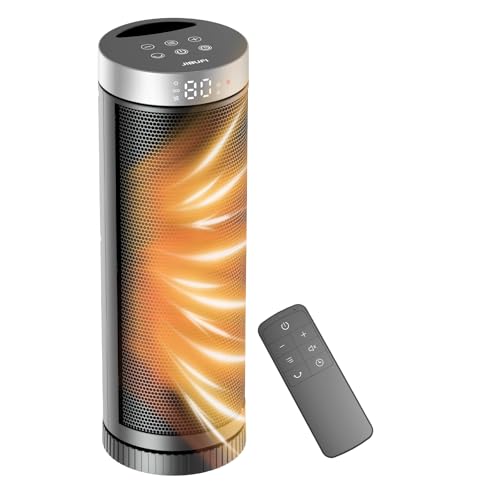
JIBUFI 1500W Electric Space Heater

WINHL 1500W Space Heater with Thermostat
How Heat Spreads in a 3-Season Room
Heat spreads in a 3-season room mainly by convection and radiation. Convection moves warm air upward and circulates it around, while radiation warms objects and people directly. A heater with both methods covers the room more evenly.
Oscillating heaters cover a larger area than stationary ones because they physically sweep the warm air side to side. A heater that only blows heat in one direction leaves cold spots in parts of the room. Oscillation helps especially in rooms 100 square feet or larger, common for 3-season spaces.

Fan design also affects noise, which matters when you want quiet warmth. Cheap fans can buzz or rattle, making it harder to relax or sleep. Look for models with brushless motors or noise-dampening features if low sound matters.
Radiant heaters work differently—they warm objects and people directly without moving air. They’re silent but less effective at heating the whole room because they don’t circulate air. Fan-forced heaters combine convection with airflow, so they heat the air and move it efficiently.
If you’re asking whether an oscillating or stationary heater heats better, oscillating wins for spreading warmth evenly. To make a room warmer without a heater, seal drafts, add rugs or curtains, and use the sun’s heat during the day. But these won’t replace the steady warmth a heater provides.
If you’re looking for a heater for your room Walmart sells, check the specs for oscillation and fan noise before buying. Not all models perform the same, and the cheapest option might leave cold corners or annoying hums.
Sizing Your Heater for Efficient Warmth
To size your heater, multiply the room’s square footage by 10 watts per square foot for a rough estimate. For example, a 150 sq ft room needs about 1,500 W. Adjust upward if the room is poorly insulated or drafty.
Adjust that number if your room is poorly insulated or has large windows. Add 10 to 20 percent more wattage for drafty areas or big single-pane windows. Well-insulated rooms might need a bit less, but it’s safer to size slightly larger than too small.
For very large 3-season rooms, no single portable heater will cover all the space efficiently. Using two smaller heaters placed strategically improves heat distribution and lets you control different zones, saving energy when you only need one area warm.
Running costs depend on wattage and how long you run the heater. For example, a 1,500-watt heater running 8 hours a day uses 12 kWh daily. At 17 cents per kWh, that’s about $2.04 a night. Smaller heaters or heated blankets use less power but cover less space.
If you want a heater for a small room, a 750 to 1,000-watt unit often suffices. The most efficient electric heating method is one that matches the room size closely and avoids overheating the space. Overpowered heaters cycle off more, wasting energy.
Wondering about the maximum room size for a 1,000-watt wall heater? Roughly, it covers about 100 square feet in a reasonably insulated space. Larger rooms need either more wattage or multiple units.
Sizing your heater right balances comfort and cost. Too small leaves you cold; too big wastes money. For detailed picks, check guides like the best electric heaters for three-season rooms.
Safety and Certification You Can Trust
Choose heaters with UL, ETL, or CSA certification to ensure they meet safety standards. Look for tip-over and overheat protection features, especially if kids or pets are around. Follow the manufacturer’s ventilation instructions for fuel-burning models.
Avoid using natural gas ventless wall heaters in rooms where medical oxygen is in use, especially for seniors. These heaters consume oxygen and can raise the risk of suffocation or fire hazards without proper ventilation.
A gas wall heater can be a practical way to warm a single room if it’s properly vented to the outside and installed following local codes. Venting prevents carbon monoxide buildup, which is the main safety concern.
Every indoor heater should have tip-over and overheat protection. These features shut the heater off if it falls or gets too hot, reducing the risk of fire.
Look for UL, ETL, or CSA certification on any electric heater you buy. These marks mean the heater has passed independent safety testing, which covers electrical safety and fire hazards.
Avoid using outdoor-rated or ventless heaters indoors. Outdoor heaters aren’t designed to handle enclosed spaces safely, and ventless gas heaters release combustion gases directly into the room, which can accumulate to dangerous levels.
Child lock features and flame-retardant materials add extra layers of safety for homes with children. A child lock prevents accidental changes to settings, and flame-retardant plastics reduce fire risk if something gets too hot or sparks.
What Quiet Operation Means for Your Comfort
Quiet operation means the heater runs without loud fans or buzzing sounds. Radiant and oil-filled heaters tend to be quieter than fan-forced models. If noise is a concern, check the decibel rating or user feedback before buying.
Heaters with fans and motors typically run between 35 and 50 decibels. Anything under 35 dB is considered whisper-quiet — quieter than a soft conversation at home.
Good airflow design reduces noise by smoothing the air movement and using insulated fan housings. This cuts down on the whirring or rattling that cheap heaters often produce.
Oscillating heaters spread heat evenly but can add a little mechanical noise from the motor moving the heater side to side. Stationary heaters avoid that noise but may heat the room less evenly.
For a kids’ room, pick a heater under 35 dB with tip-over protection and a quiet fan. That keeps the room warm without waking or distracting children.
The quietest heater for large rooms combines a powerful motor with noise-dampening design, often found in premium models with multiple heat settings and slow fan speeds.
Features Other Guides Miss
Many guides overlook the importance of heater placement and room layout. Position your heater near where you spend most time, avoiding corners or behind furniture. Also, consider models with adjustable thermostats and timers to save energy and maintain comfort.
Remote controls and programmable timers add both convenience and efficiency. Setting the timer to turn the heater off after you fall asleep or before you get home cuts wasted run time. A remote lets you make adjustments without leaving your chair, which is handy in rooms with limited access or multiple seating areas.
Oscillation is more than a comfort feature; it affects the heater’s durability. A model with a well-built oscillation motor will last longer and maintain smooth, quiet operation. Cheap oscillators can fail after a season, forcing you to run the heater without oscillation or replace the unit early.
Child lock settings provide peace of mind in homes with kids. They prevent little ones from accidentally changing temperature settings or turning the heater on and off, which can cause uneven heating or trigger safety cutoffs unnecessarily.
If you want a smart thermostat heater, look for models that integrate with home automation or offer app control. These let you program heating schedules based on your daily routine and adjust settings remotely, further cutting energy use.
Wondering how to heat a room without a heater? Using heavy curtains, draft stoppers, and rugs improves heat retention by reducing air leaks and cold surfaces. Combining these with a heater that has precise controls and timers maximizes comfort and efficiency.
For all these reasons, the DREO 25 Inch Electric Space Heater combines smart features and durable design to deliver reliable, efficient warmth in a 3-season room. It’s the kind of thoughtful engineering that matters when you want steady comfort without fuss.